Cucumber VS Gin
A detailed nutritional comparison
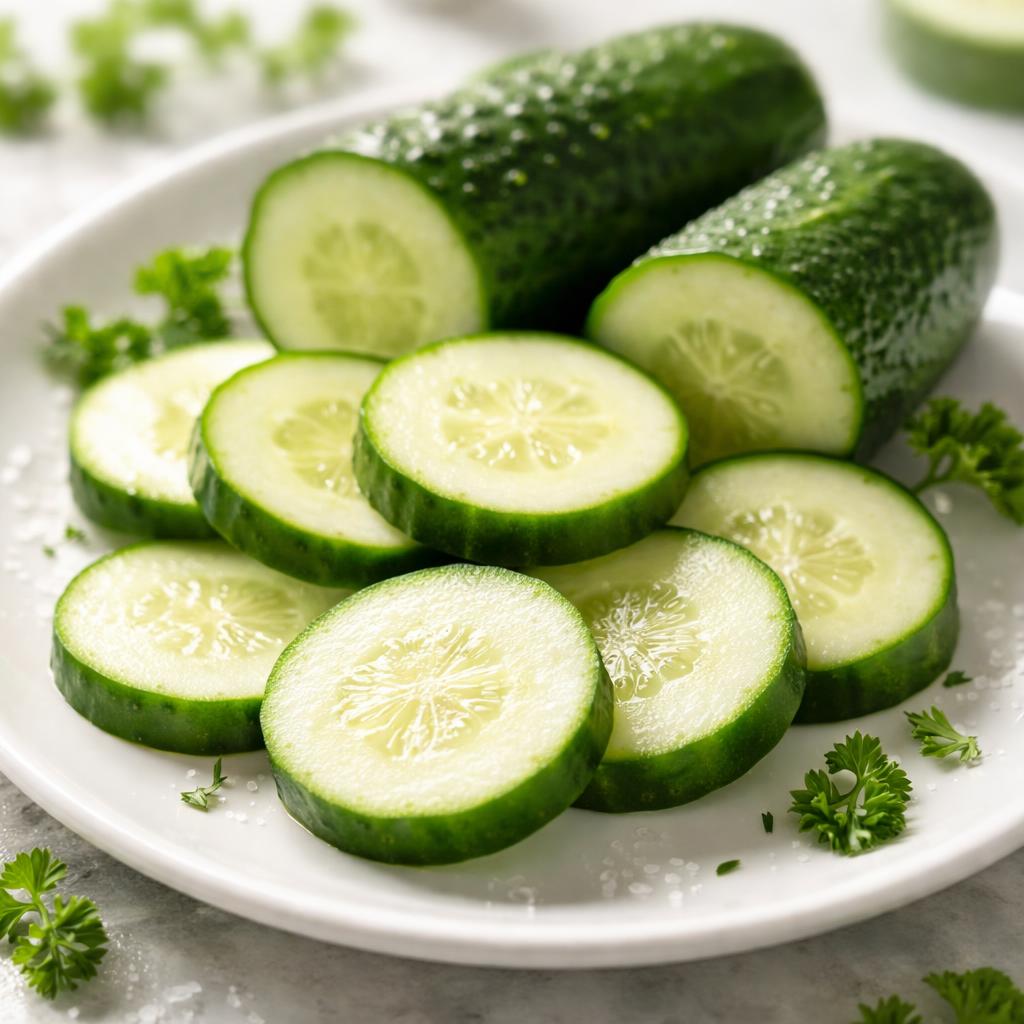
Cucumber
Gin
🎯 Quick Verdict
Cucumber and gin are vastly different foods. Cucumber is a low-calorie vegetable rich in water, fiber, and vitamins, making it great for hydration and digestion. Gin, on the other hand, is an alcoholic beverage with almost no nutrients, offering only calories from alcohol but no protein, fiber, or essential vitamins, making it less suitable for health-focused dietary goals.

Smart Nutrition Tracking with SnapCalorie

📊 Nutritional Comparison
Macronutrients
| Nutrient | Food 1 | Food 2 | Winner |
|---|---|---|---|
| Calories | 15 per 100g | 263 per 100ml | ✓ |
| Protein | 0.7g per 100g | 0g | ✓ |
| Carbs | 3.6g per 100g | 0g | ✓ |
| Fat | 0.1g per 100g | 0g | − |
| Fiber | 0.5g per 100g | 0g | ✓ |
Vitamins & Minerals
| Nutrient | Food 1 | Food 2 | Winner |
|---|---|---|---|
| Vitamin C | 2.8mg per 100g | 0mg | ✓ |
| Vitamin K | 16.4mcg per 100g | 0mcg | ✓ |
| Potassium | 147mg per 100g | 0mg | ✓ |
🏆 Category Winners
Protein
Cucumber contains minimal protein (0.7g), while gin contains none.
Fiber
Cucumber has 0.5g of fiber, while gin has no fiber.
Calories
Cucumber is a low-calorie food with only 15 calories per 100g.
Vitamins
Cucumber provides essential vitamins like Vitamin C and K, while gin has none.
🥗 Diet Compatibility
Keto
Food 1: Compatible
Food 2: Not Compatible
Cucumber is low in carbs and fits a keto diet, while gin contains calories without nutritional value.
Vegan
Food 1: Compatible
Food 2: Compatible
Both are vegan by standard definitions.
Gluten Free
Food 1: Compatible
Food 2: Compatible
Neither food contains gluten.
Paleo
Food 1: Compatible
Food 2: Not Compatible
Cucumber is natural and fits paleo guidelines, while gin is a processed alcoholic drink.
Low Carb
Food 1: Compatible
Food 2: Compatible
Both fit low-carb diets, but cucumber offers nutrients while gin offers none.
💪 Health Benefits Comparison
Food 1 Benefits
- Promotes hydration due to high water content
- Supports digestion with fiber
- Rich in antioxidants for cellular health
- Contains vitamins (like K and C) for bone and immune health
Food 2 Benefits
- Moderate consumption may support relaxation or social bonding
- Limited historical uses in traditional medicine
- Can be included in cocktails to create enjoyable experiences
✅ The Bottom Line
Choose cucumber for hydration, nutrition, and digestion support, especially if prioritizing health. Gin may be enjoyed in moderation for social or recreational purposes but offers no meaningful nutrition.
Choose Food 1 for: Hydration, digestion, low-calorie diets, general health
Choose Food 2 for: Moderate alcohol consumption, social settings, recreational enjoyment


