Cucumber VS Feta Cheese
A detailed nutritional comparison
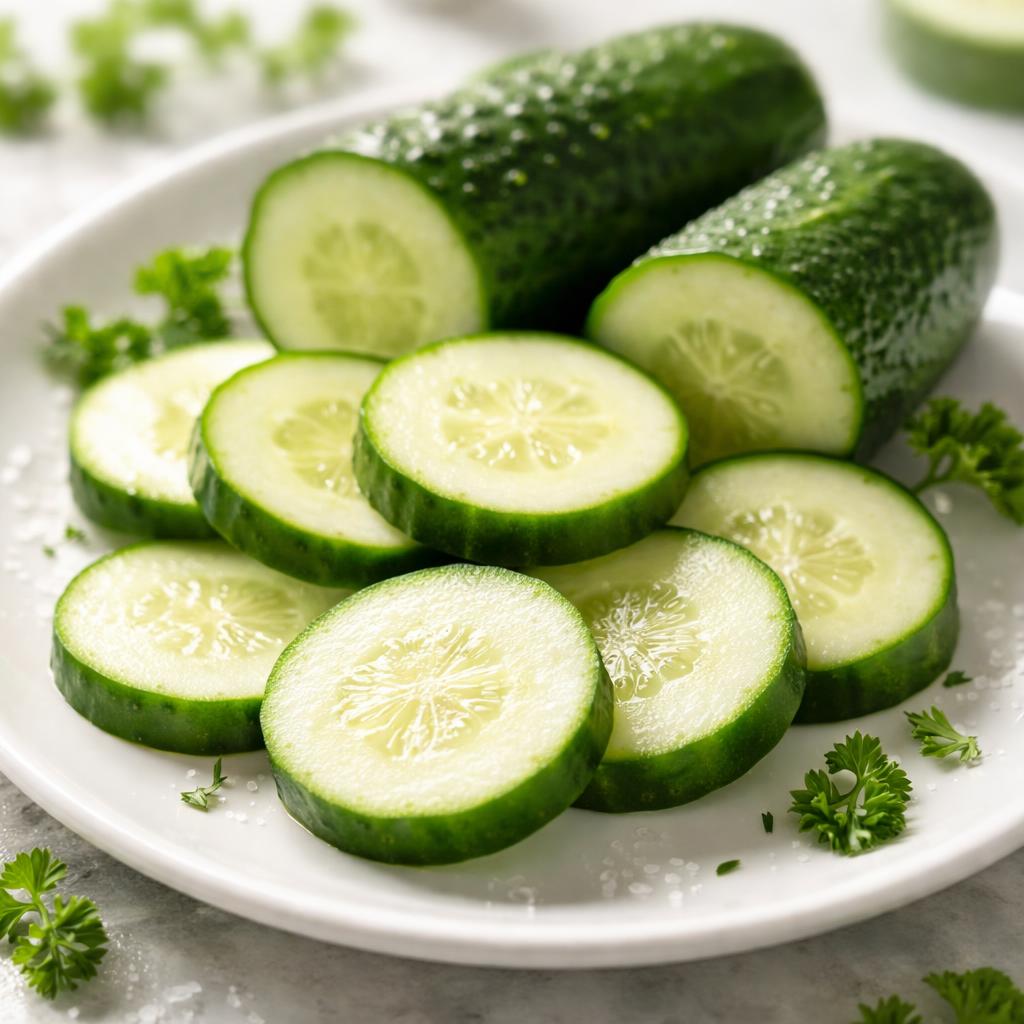
Cucumber
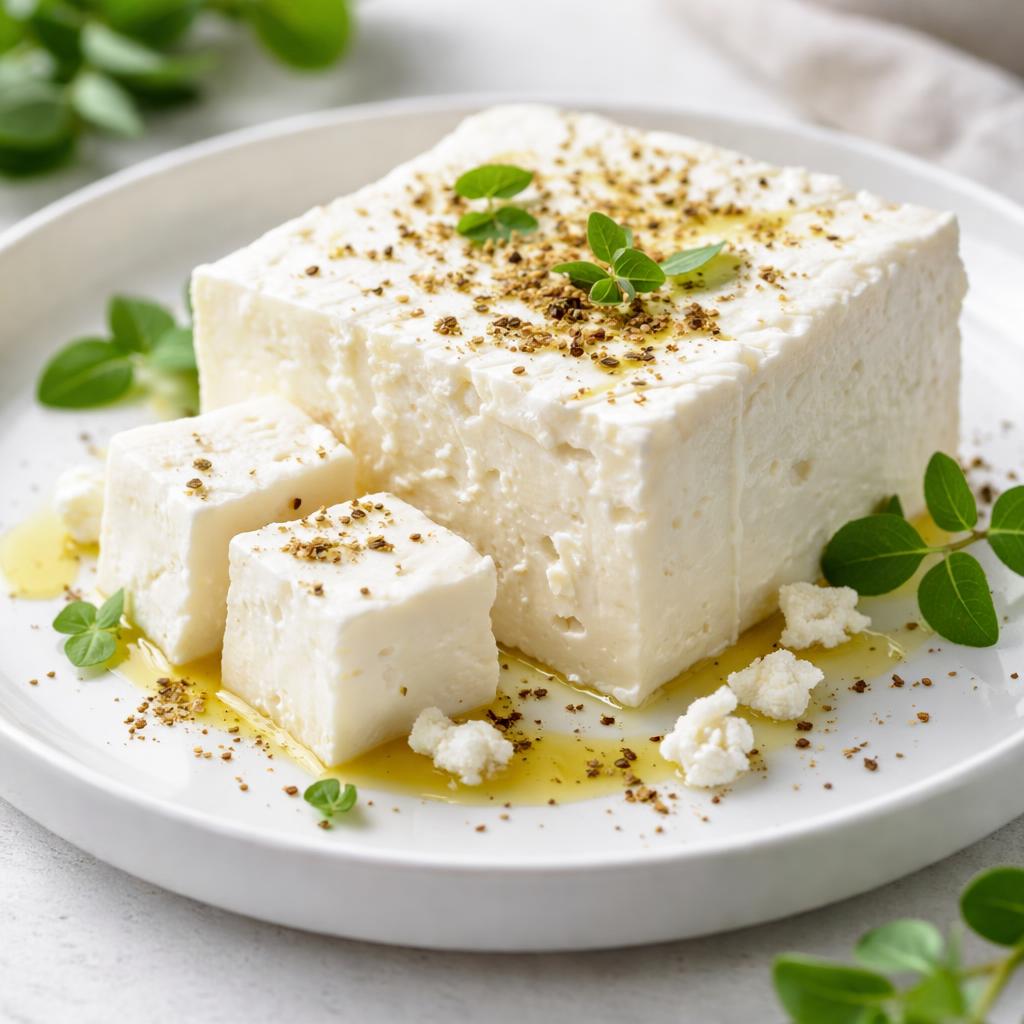
Feta Cheese
🎯 Quick Verdict
Cucumber is a low-calorie, hydrating food with a higher fiber content, while feta cheese is a nutrient-dense option rich in protein, calcium, and healthy fats. Cucumber is ideal for weight loss and hydration, while feta cheese serves as a protein-rich topping for balanced meals or snacks.

Smart Nutrition Tracking with SnapCalorie

📊 Nutritional Comparison
Macronutrients
| Nutrient | Food 1 | Food 2 | Winner |
|---|---|---|---|
| Calories | 15 per 100g | 264 per 100g | ✓ |
| Protein | 0.7g per 100g | 14g per 100g | ✓ |
| Carbs | 3.6g per 100g | 4.1g per 100g | ✓ |
| Fat | 0.1g per 100g | 21g per 100g | ✓ |
| Fiber | 0.5g per 100g | 0g per 100g | ✓ |
Vitamins & Minerals
| Nutrient | Food 1 | Food 2 | Winner |
|---|---|---|---|
| Vitamin D | 0mcg per 100g | 0.4mcg per 100g | ✓ |
| Calcium | 16mg per 100g | 493mg per 100g | ✓ |
| Vitamin C | 2.8mg per 100g | 0mg per 100g | ✓ |
🏆 Category Winners
Protein
Feta cheese provides 20x more protein than cucumber.
Fiber
Cucumber contains fiber, whereas feta cheese does not.
Calories
Cucumber has 94% fewer calories than feta cheese.
Vitamins
Feta cheese is significantly higher in calcium and contains vitamin D.
🥗 Diet Compatibility
Keto
Food 1: Compatible
Food 2: Compatible
Both are low in carbs, making them suitable for a ketogenic diet.
Vegan
Food 1: Compatible
Food 2: Not Compatible
Cucumber is plant-based, while feta cheese is animal-derived.
Gluten Free
Food 1: Compatible
Food 2: Compatible
Neither food contains gluten.
Paleo
Food 1: Compatible
Food 2: Not Compatible
Cucumber fits paleo guidelines, but feta cheese is processed dairy.
Low-Carb
Food 1: Compatible
Food 2: Compatible
Both foods are low-carb options.
💪 Health Benefits Comparison
Food 1 Benefits
- Low-calorie and hydrating, supporting weight loss.
- Provides vitamin C for a strong immune system.
- Contains antioxidants to combat free radicals.
- Supports digestion with a small amount of fiber.
Food 2 Benefits
- Rich in protein to support muscle health.
- High in calcium, essential for bone strength.
- Contains healthy fats for heart health.
- Provides vitamin D, aiding in calcium absorption.
✅ The Bottom Line
When choosing between cucumber and feta cheese, prioritize cucumber for weight loss, hydration, and as a refreshing snack. Opt for feta cheese when looking to enrich your dishes with a savory, protein-rich source of calcium and fats. Both pair well in salads for a balanced meal.
Choose Food 1 for: Weight loss, hydration, immune support, digestion
Choose Food 2 for: Protein boost, bone health, heart health, savory flavor additions


