Cucumber VS Fennel
A detailed nutritional comparison
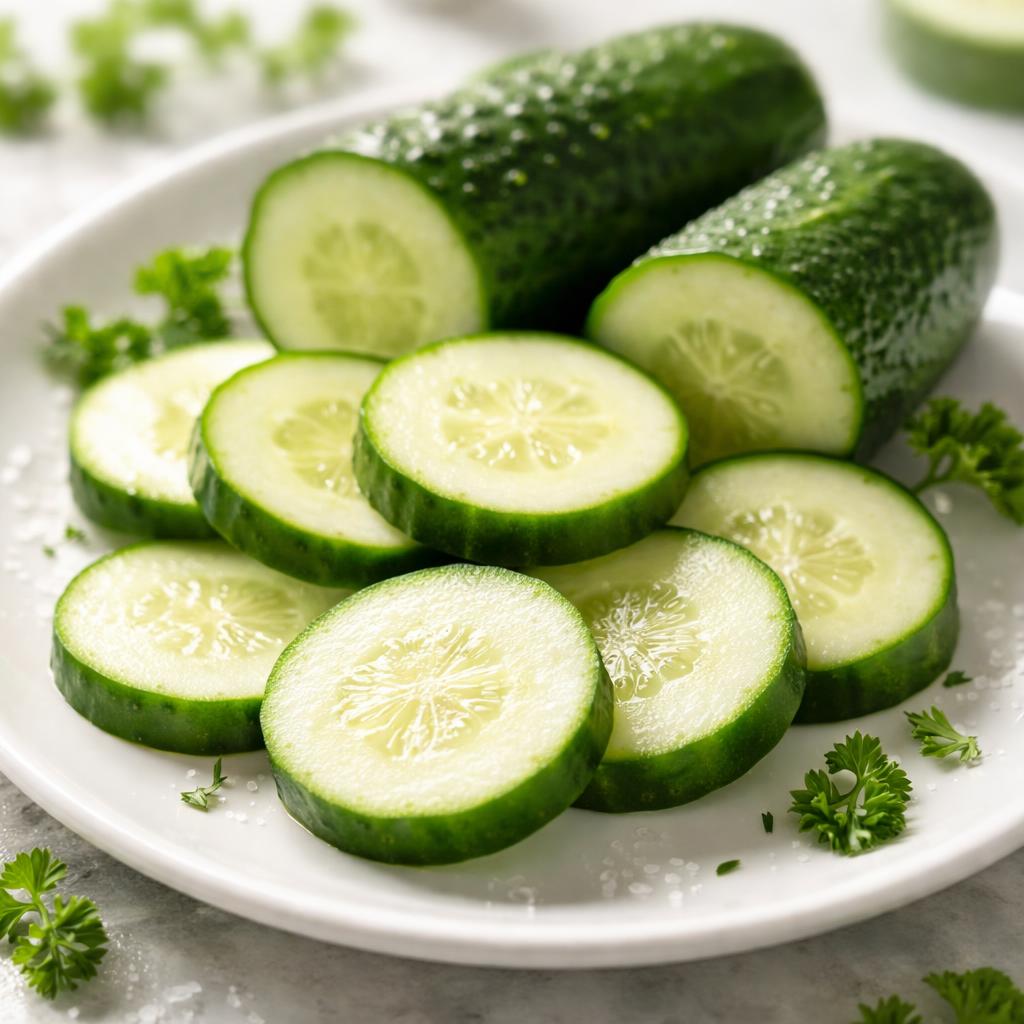
Cucumber
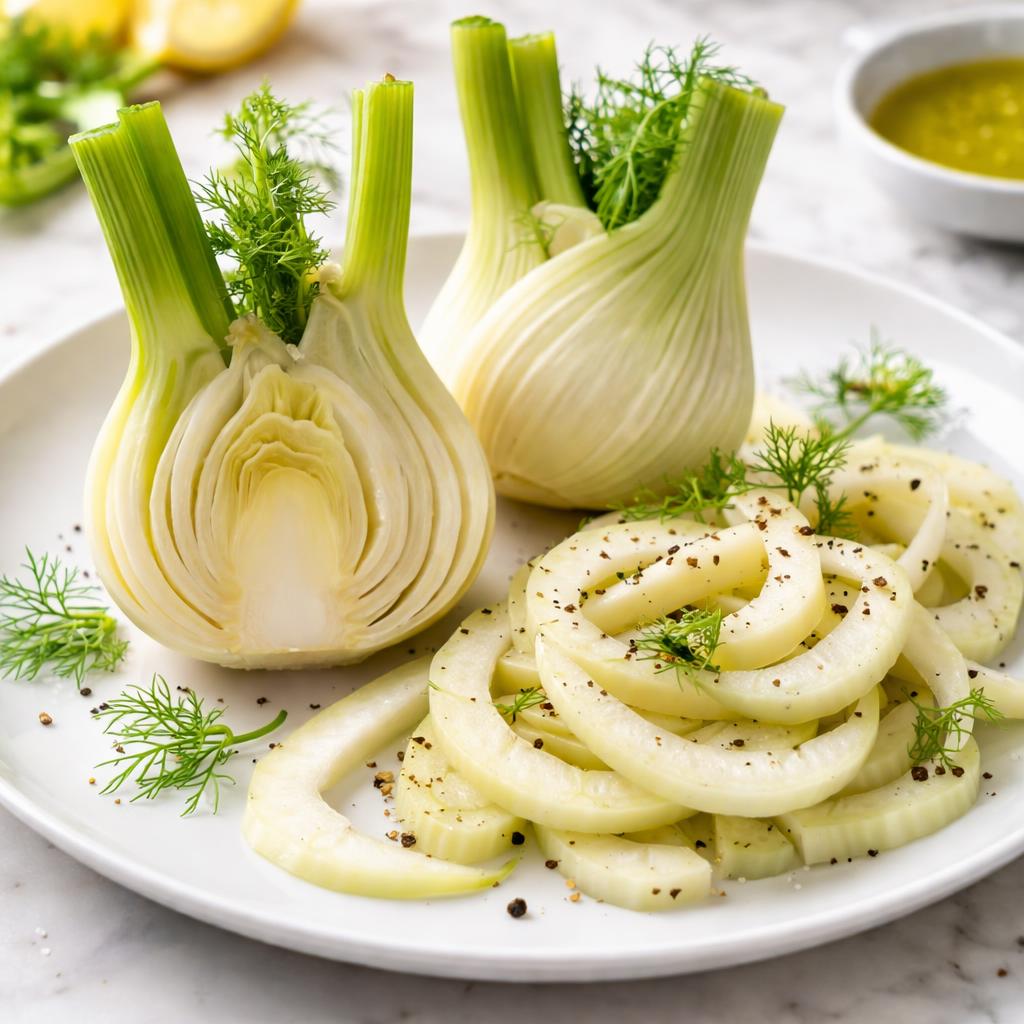
Fennel
🎯 Quick Verdict
Cucumber and fennel offer different benefits. Cucumber is significantly lower in calories and provides hydration due to its high water content, making it ideal for weight loss and summer snacking. Fennel, on the other hand, is richer in protein, fiber, and vitamins such as vitamin C and potassium, making it more nutrient-dense and beneficial for digestive health and overall wellness.

Smart Nutrition Tracking with SnapCalorie

📊 Nutritional Comparison
Macronutrients
| Nutrient | Food 1 | Food 2 | Winner |
|---|---|---|---|
| Calories | 15 | 27 | ✓ |
| Protein | 0.7g | 1.2g | ✓ |
| Carbs | 3.6g | 6.3g | ✓ |
| Fat | 0.1g | 0.2g | ✓ |
| Fiber | 0.5g | 2.7g | ✓ |
Vitamins & Minerals
| Nutrient | Food 1 | Food 2 | Winner |
|---|---|---|---|
| Vitamin C | 2.8mg | 12mg | ✓ |
| Calcium | 16mg | 49mg | ✓ |
| Iron | 0.3mg | 0.7mg | ✓ |
| Potassium | 150mg | 414mg | ✓ |
🏆 Category Winners
Protein
Fennel contains nearly double the amount of protein compared to cucumber.
Fiber
Fennel provides over five times more fiber than cucumber per serving.
Calories
Cucumber is significantly lower in calories, making it suitable for weight loss.
Vitamins
Fennel is richer in essential nutrients like vitamin C, calcium, and potassium.
🥗 Diet Compatibility
Keto
Food 1: Compatible
Food 2: Compatible
Both foods are low in carbs and fit well in a keto diet.
Vegan
Food 1: Compatible
Food 2: Compatible
Both cucumber and fennel are plant-based and vegan-friendly.
Gluten Free
Food 1: Compatible
Food 2: Compatible
Neither food contains gluten.
Paleo
Food 1: Compatible
Food 2: Compatible
Both are whole foods suitable for a paleo lifestyle.
Low Carb
Food 1: Compatible
Food 2: Compatible
Both foods are low-carb options that can be included in a low-carb diet.
💪 Health Benefits Comparison
Food 1 Benefits
- Extremely low calorie content supports weight loss.
- High water content helps with hydration.
- Provides small amounts of antioxidants for skin health.
Food 2 Benefits
- Rich in fiber for improved digestion and gut health.
- Contains vitamin C for immune function and collagen production.
- Good source of potassium for heart health and muscle function.
- May support detoxification due to natural compounds in fennel.
✅ The Bottom Line
Choose cucumber for hydration, weight loss, and low-calorie snacking. Opt for fennel when looking for nutrient density, digestion support, and vitamins like potassium and vitamin C. Both foods can complement each other in salads or healthy meals.
Choose Food 1 for: Hydration, low-calorie diets, fresh and crunchy snacks.
Choose Food 2 for: Digestive health, nutrient-density, and boosting overall wellness.


