Cucumber VS Edamame
A detailed nutritional comparison
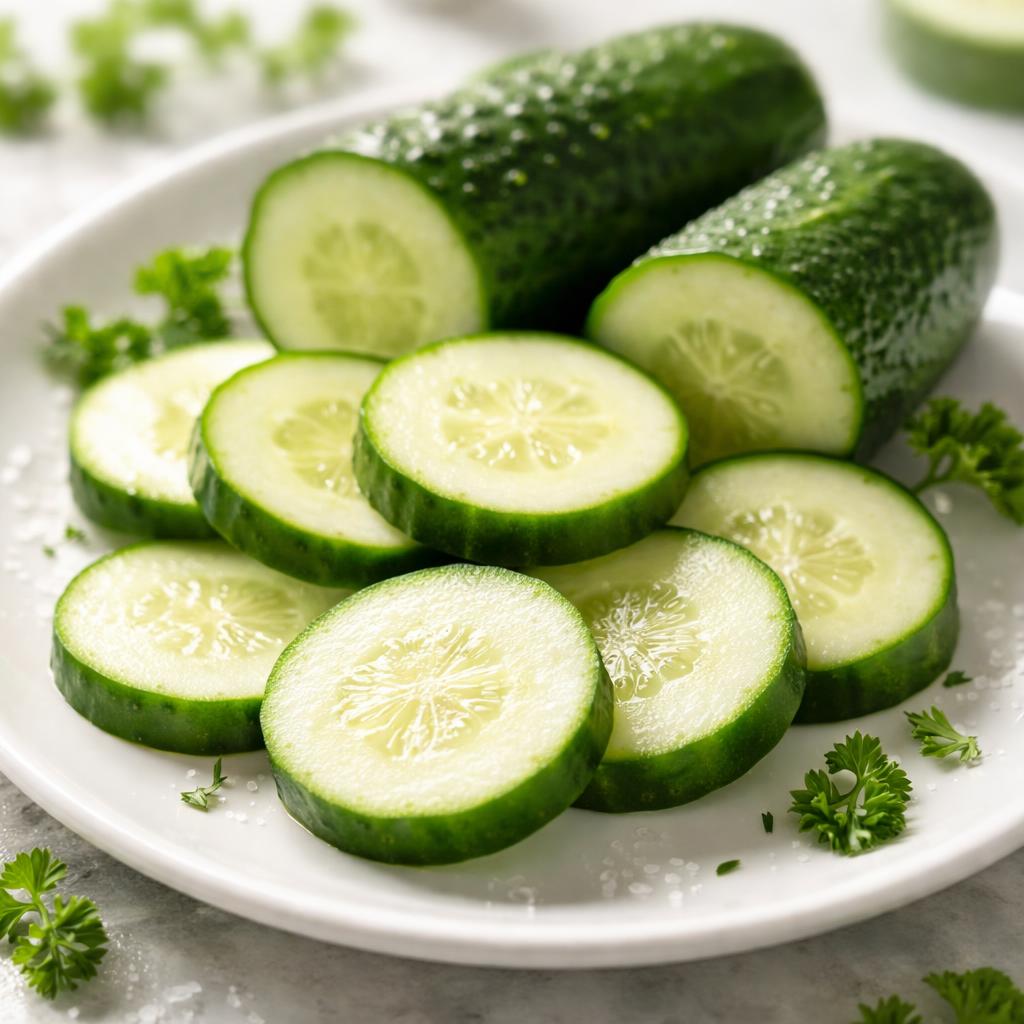
Cucumber
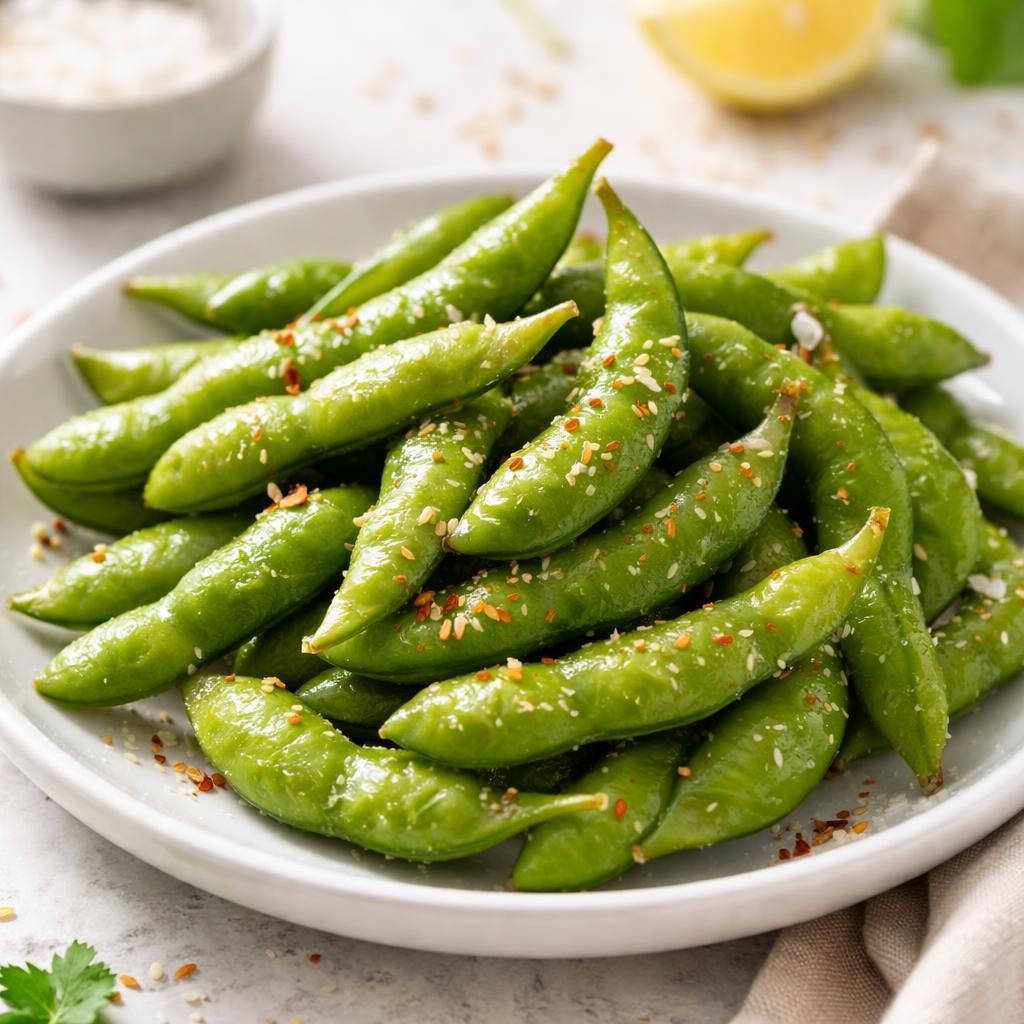
Edamame
🎯 Quick Verdict
Cucumber and edamame differ significantly in nutritional profiles. Cucumber is low in calories and carbs, making it ideal for weight loss and hydration. Edamame, on the other hand, is rich in protein, fiber, and various vitamins, making it more nutrient-dense and suitable for energy and muscle recovery. Choose cucumber for light snacks and edamame for more substantial nutrition needs.

Smart Nutrition Tracking with SnapCalorie

📊 Nutritional Comparison
Macronutrients
| Nutrient | Food 1 | Food 2 | Winner |
|---|---|---|---|
| Calories | 15 | 120 | ✓ |
| Protein | 0.7g | 11.5g | ✓ |
| Carbs | 3.6g | 9.5g | ✓ |
| Fat | 0.1g | 5g | ✓ |
| Fiber | 0.5g | 5g | ✓ |
Vitamins & Minerals
| Nutrient | Food 1 | Food 2 | Winner |
|---|---|---|---|
| Vitamin C | 2.8mg | 6mg | ✓ |
| Vitamin K | 16.4mcg | 21.8mcg | ✓ |
| Calcium | 16mg | 63mg | ✓ |
| Iron | 0.3mg | 2.5mg | ✓ |
🏆 Category Winners
Protein
Edamame contains nearly 16 times more protein than cucumber.
Fiber
Edamame has 10 times more fiber than cucumber.
Calories
Cucumber is extremely low-calorie with just 15 calories per 100g.
Vitamins
Edamame provides higher amounts of key vitamins and minerals like calcium, iron, and vitamin C.
🥗 Diet Compatibility
Keto
Food 1: Compatible
Food 2: Moderately Compatible
Cucumber is very low in carbs, while edamame has a moderate carb count.
Vegan
Food 1: Compatible
Food 2: Compatible
Both foods are completely plant-based.
Gluten Free
Food 1: Compatible
Food 2: Compatible
Neither contains gluten.
Paleo
Food 1: Compatible
Food 2: Compatible
Both foods align with paleo diets, though edamame should be consumed sparingly due to legume restrictions.
Low-Carb
Food 1: Compatible
Food 2: Moderately Compatible
Cucumber is extremely low-carb (3.6g per 100g), while edamame is moderate at 9.5g per 100g.
💪 Health Benefits Comparison
Food 1 Benefits
- Extremely hydrating due to high water content
- Low in calories for weight management
- Provides small amounts of vitamin K for bone health
- Rich in antioxidants for skin health
Food 2 Benefits
- High in plant-based protein for muscle recovery
- Excellent source of fiber for digestive health
- Provides iron, supporting oxygen transport in the body
- Contains heart-healthy unsaturated fats
✅ The Bottom Line
Choose cucumber for hydration, low-calorie snacks, and weight management goals. Opt for edamame when you need a nutrient-rich, protein-packed option that supports sustained energy, some essential vitamins and minerals, and muscle recovery.
Choose Food 1 for: Weight loss, refreshing snacks, low-carb diets
Choose Food 2 for: Energy boost, high-protein diets, post-workout, nutrient-dense meals


