Cucumber VS Dipping Sauce
A detailed nutritional comparison
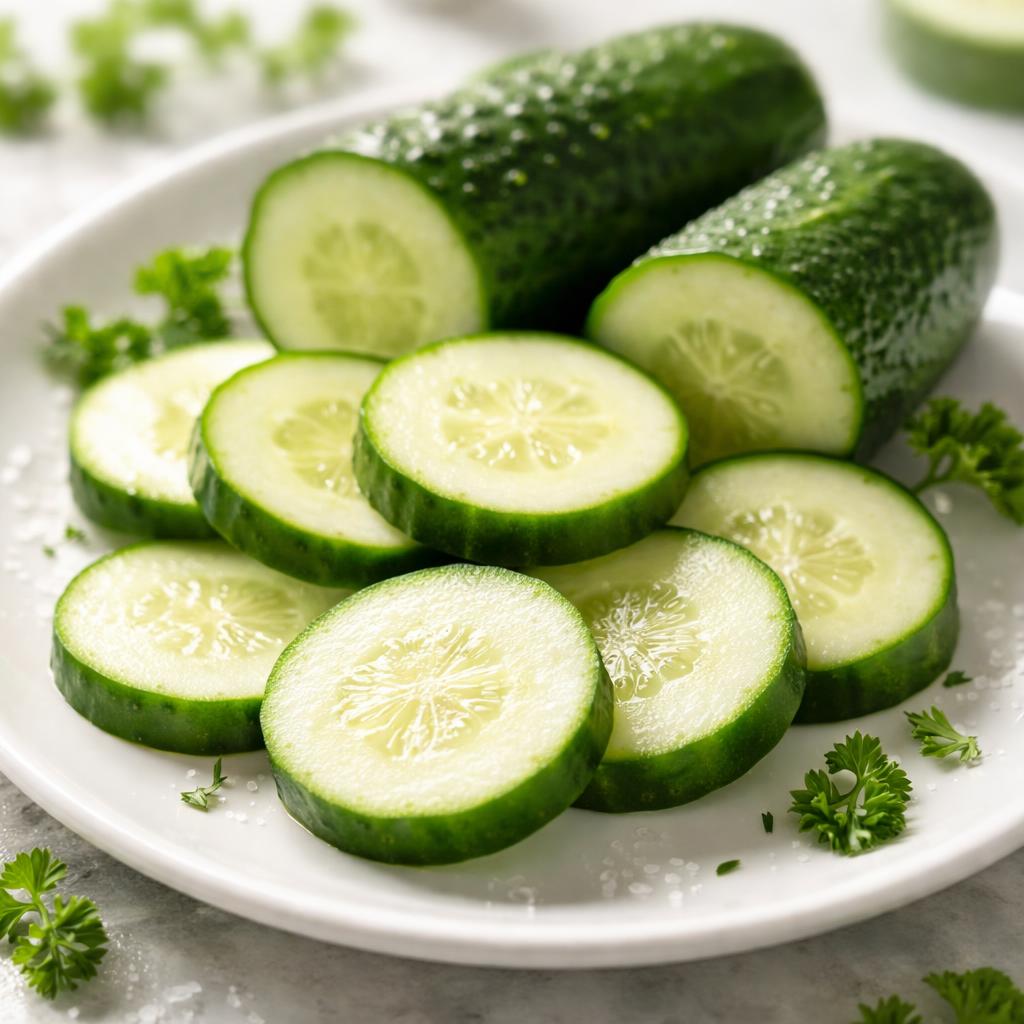
Cucumber
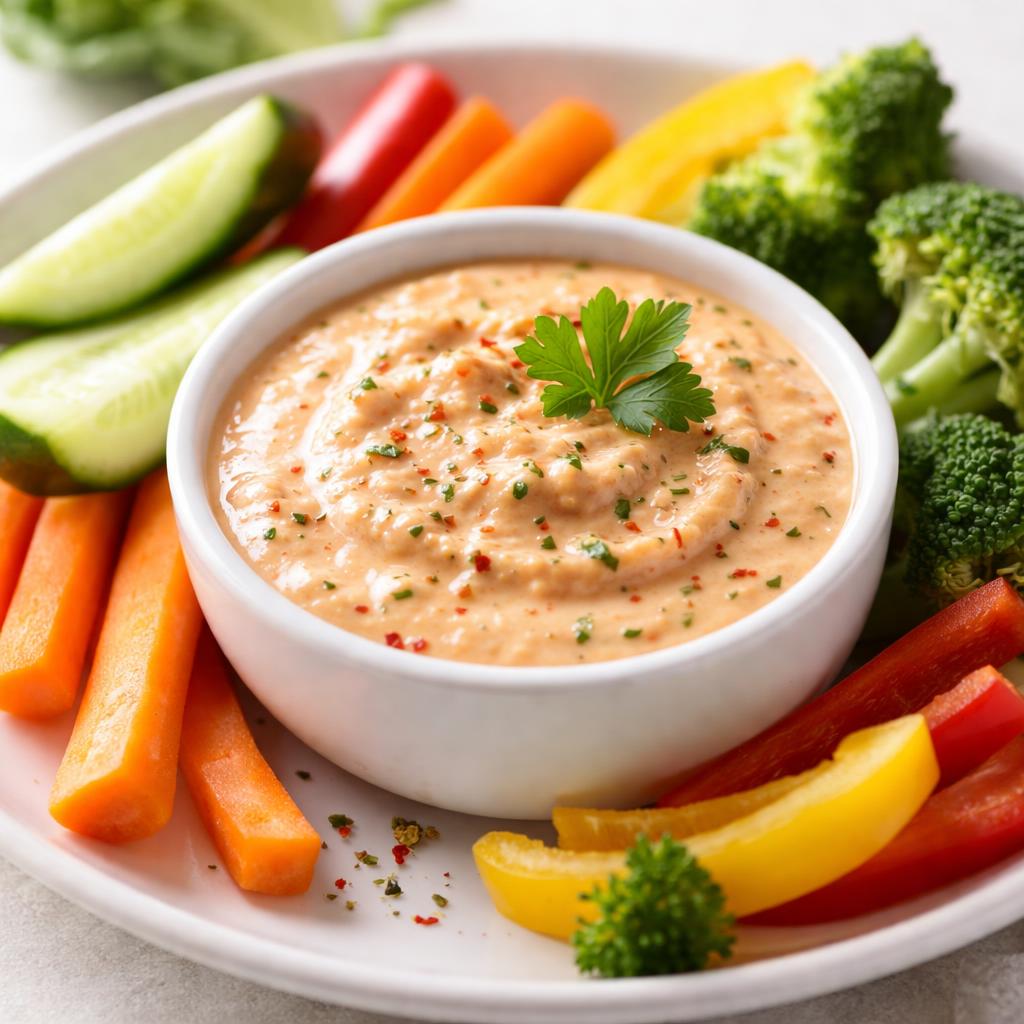
Dipping Sauce
🎯 Quick Verdict
Cucumber (food1) is very low in calories, rich in fiber, and hydrating, while dipping sauce (food2) provides more protein and fat but comes with significantly higher calories. Cucumber is ideal for weight management or hydration, whereas dipping sauce enhances flavor and provides concentrated nutrients when consumed in moderation.

Smart Nutrition Tracking with SnapCalorie

📊 Nutritional Comparison
Macronutrients
| Nutrient | Food 1 | Food 2 | Winner |
|---|---|---|---|
| Calories | 16 per cup (104g) | 100 per 2 tbsp (30g) | ✓ |
| Protein | 0.8g | 2g | ✓ |
| Carbs | 3.6g | 5g | ✓ |
| Fat | 0.1g | 8g | ✓ |
| Fiber | 0.5g | 0g | ✓ |
Vitamins & Minerals
| Nutrient | Food 1 | Food 2 | Winner |
|---|---|---|---|
| Vitamin C | 4.5mg | 1mg | ✓ |
| Vitamin A | 5 IU | 100 IU | ✓ |
| Calcium | 16mg | 10mg | ✓ |
| Iron | 0.3mg | 0.2mg | ✓ |
🏆 Category Winners
Protein
Dipping sauce has more than double the protein per serving compared to cucumber.
Fiber
Cucumber provides fiber, while dipping sauce typically contains none.
Calories
Cucumber has dramatically fewer calories per serving.
Vitamins
Cucumber offers higher levels of Vitamin C, calcium, and iron compared to dipping sauce.
🥗 Diet Compatibility
Keto
Food 1: Compatible
Food 2: Compatible
Both are low-carb and fit well within keto macronutrient ranges.
Vegan
Food 1: Compatible
Food 2: Depends on the ingredients
Cucumber is naturally vegan; dipping sauce varies by recipe.
Gluten Free
Food 1: Compatible
Food 2: Depends on the ingredients
Cucumber is inherently gluten-free; check for gluten-containing additives in sauces.
Paleo
Food 1: Compatible
Food 2: Partially Compatible
Cucumber fits paleo guidelines; dipping sauce may contain processed ingredients not suited to paleo diets.
Low Carb
Food 1: Compatible
Food 2: Compatible
Both are low in carbohydrates.
💪 Health Benefits Comparison
Food 1 Benefits
- Hydrates the body due to its high water content.
- Supports digestion through fiber.
- Contains antioxidants that may reduce inflammation.
Food 2 Benefits
- Provides healthy fats for energy and nutrient absorption.
- Enhances flavor to promote enjoyable meals.
- May contain key vitamins and minerals depending on recipe.
✅ The Bottom Line
Choose cucumber (food1) for hydration, weight management, and low-calorie snacking, especially when aiming to boost fiber intake. Use dipping sauce (food2) sparingly for flavor enhancement and targeted nutrient addition, but monitor portions to avoid excessive calorie and fat consumption.
Choose Food 1 for: Hydration, low-calorie diets, digestive health
Choose Food 2 for: Flavor enhancement, moderate-carb diets, nutrient density


