Cucumber VS Dill
A detailed nutritional comparison
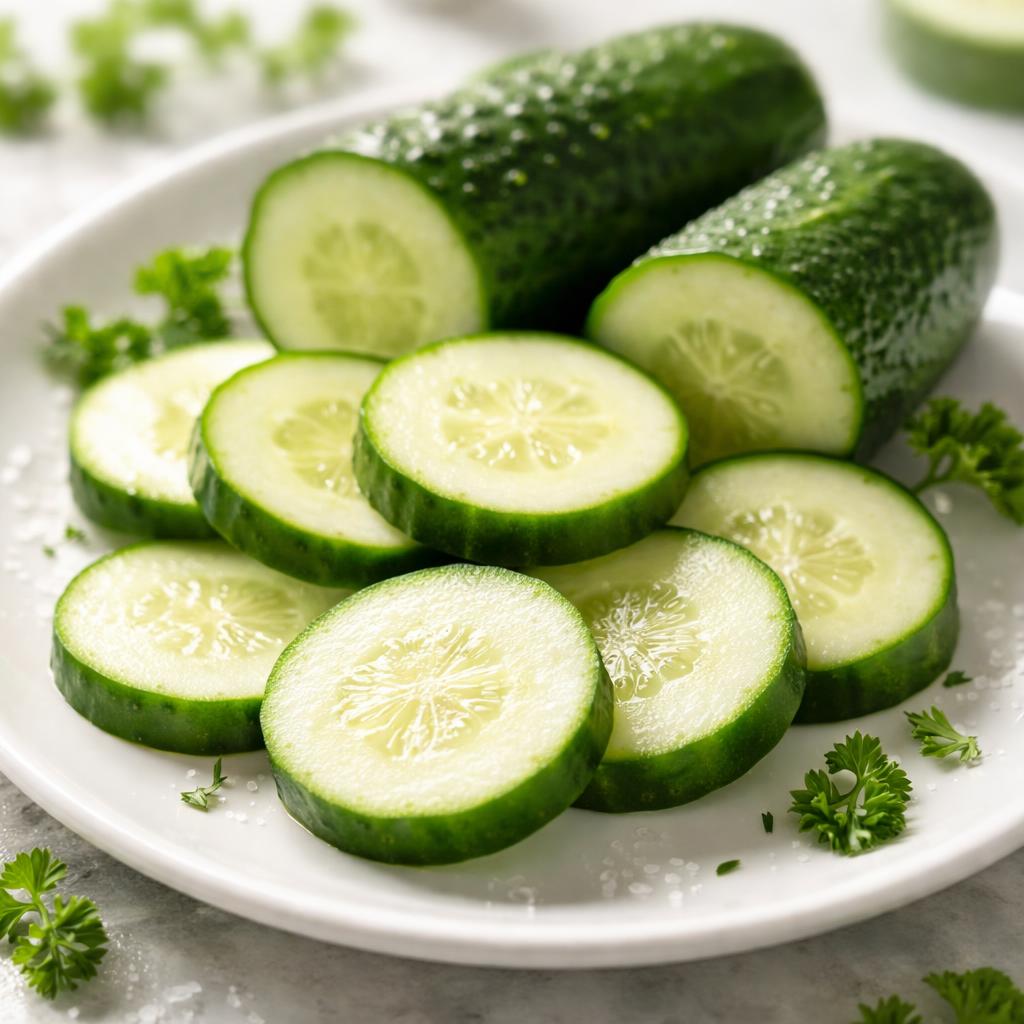
Cucumber
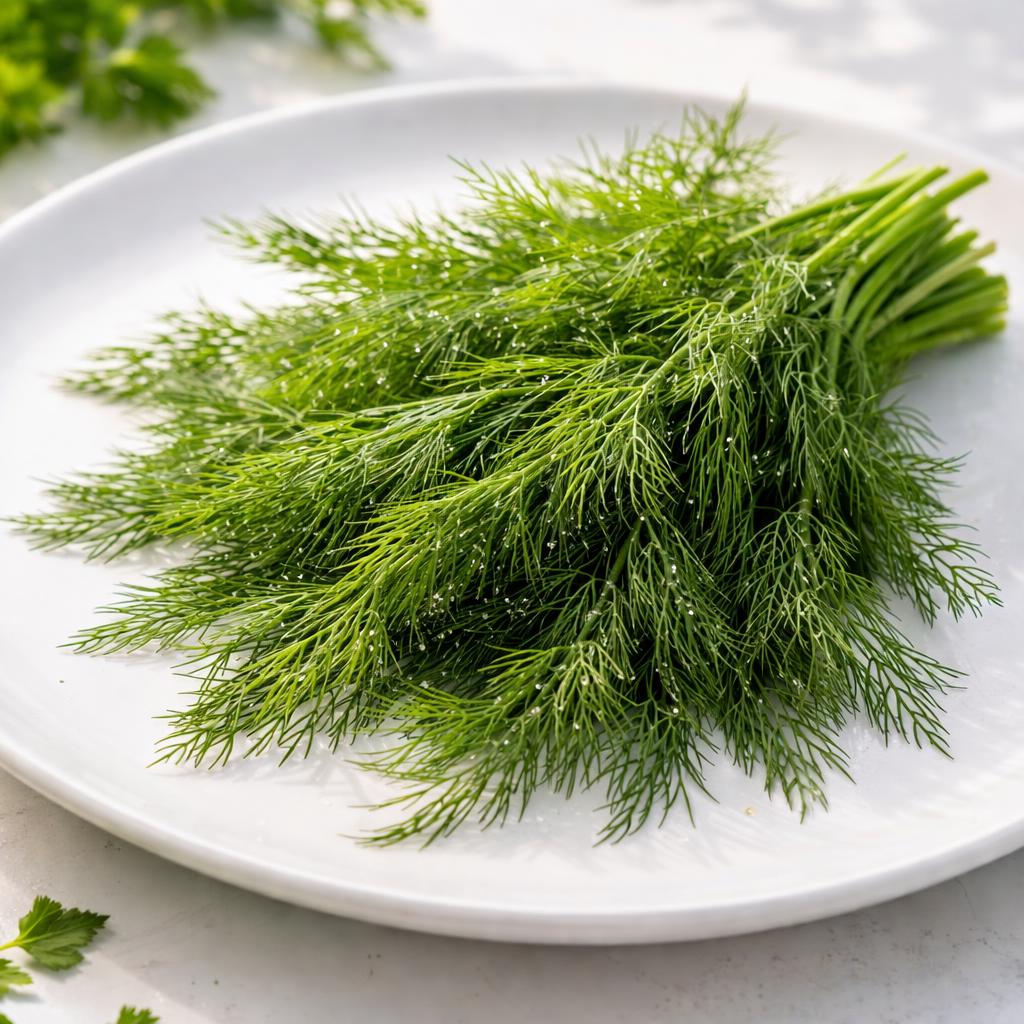
Dill
🎯 Quick Verdict
Cucumber and dill serve very different roles nutritionally and in the kitchen. Cucumber is much lower in calories and offers hydration due to its water content, while dill shines as a fiber-rich herb with antioxidants and essential micronutrients. Use cucumber as a refreshing base for meals and dill as a flavorful nutrient enhancer.

Smart Nutrition Tracking with SnapCalorie

📊 Nutritional Comparison
Macronutrients
| Nutrient | Food 1 | Food 2 | Winner |
|---|---|---|---|
| Calories | 15 (per 100g) | 43 (per 100g) | ✓ |
| Protein | 0.7g | 3.5g | ✓ |
| Carbs | 3.6g | 7g | ✓ |
| Fat | 0.1g | 1.1g | ✓ |
| Fiber | 0.5g | 2.1g | ✓ |
Vitamins & Minerals
| Nutrient | Food 1 | Food 2 | Winner |
|---|---|---|---|
| Vitamin C | 3.2mg | 21mg | ✓ |
| Vitamin A | 105 IU | 738 IU | ✓ |
| Calcium | 16mg | 208mg | ✓ |
| Iron | 0.3mg | 6.6mg | ✓ |
🏆 Category Winners
Protein
Dill has 3.5g of protein per 100g, which is 5 times higher than cucumber.
Fiber
Dill contains 2.1g of fiber per 100g compared to 0.5g in cucumber, making dill a better choice for digestive health.
Calories
Cucumber has only 15 calories per 100g, which is far lower than dill's 43 calories.
Vitamins
Dill is significantly richer in micronutrients like vitamin C, vitamin A, calcium, and iron.
🥗 Diet Compatibility
Keto
Food 1: Compatible
Food 2: Compatible
Both cucumber and dill are low-carb and fit within ketogenic guidelines.
Vegan
Food 1: Compatible
Food 2: Compatible
Both foods are plant-based and vegan-friendly.
Gluten Free
Food 1: Compatible
Food 2: Compatible
Neither cucumber nor dill contains gluten.
Paleo
Food 1: Compatible
Food 2: Compatible
Both are whole, natural foods allowed on a paleo diet.
Low-Carb
Food 1: Compatible
Food 2: Compatible
Both are low in carbohydrates, but dill has slightly more carbs per serving.
💪 Health Benefits Comparison
Food 1 Benefits
- Low calories for weight management
- Hydrates the body due to high water content
- Contains antioxidants for skin health
- Supports digestion with mild fiber content
Food 2 Benefits
- Rich in vitamin C for immune health
- High in iron for improved oxygen transport
- Contains calcium for bone strength
- Provides antioxidants supporting overall anti-inflammatory benefits
✅ The Bottom Line
Cucumber is best for hydration and low-calorie eating, ideal for snacking or as a crunchy addition to salads. Dill is a flavorful herbal addition loaded with nutrients, great for seasoning dishes and enhancing micronutrient intake.
Choose Food 1 for: Weight management, hydration, light snacks
Choose Food 2 for: Micronutrient-rich dishes, flavor enhancement, immune support


