Cucumber VS Chickpea Salad
A detailed nutritional comparison
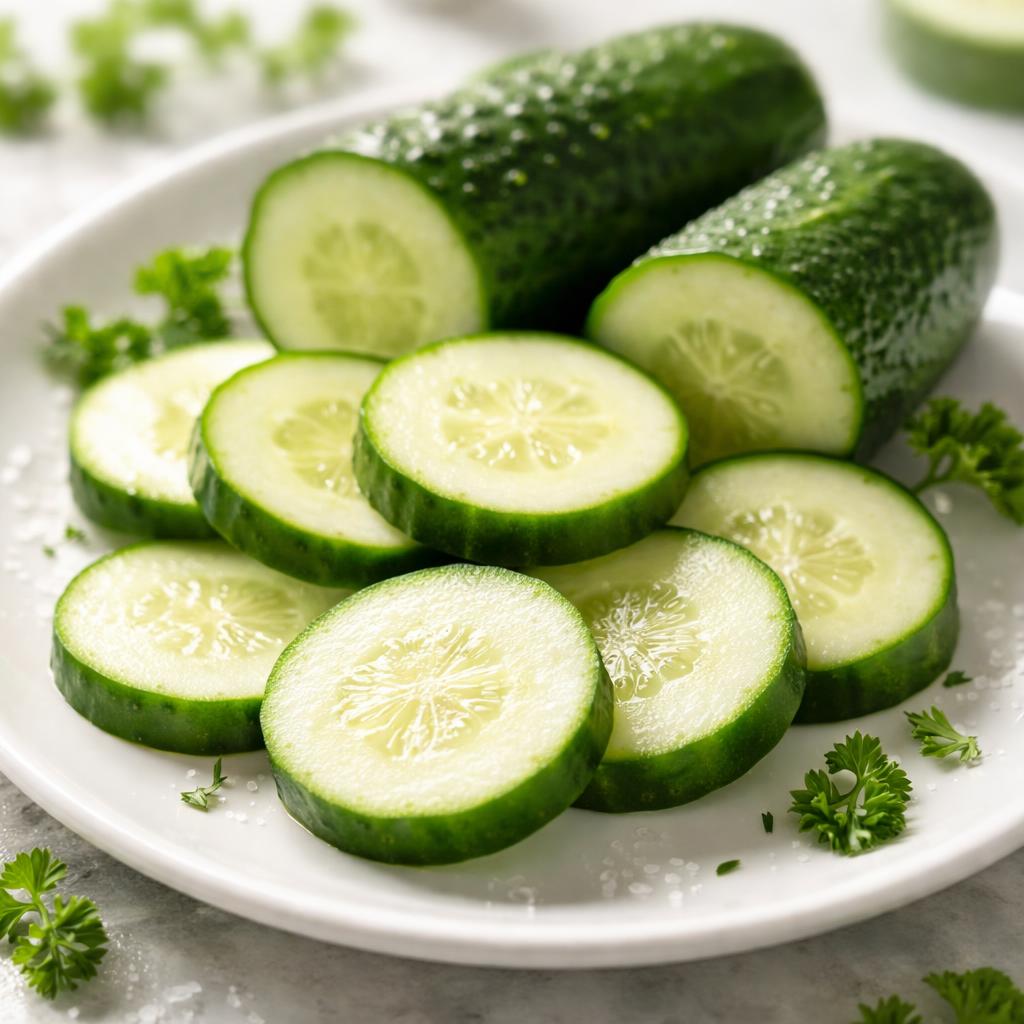
Cucumber
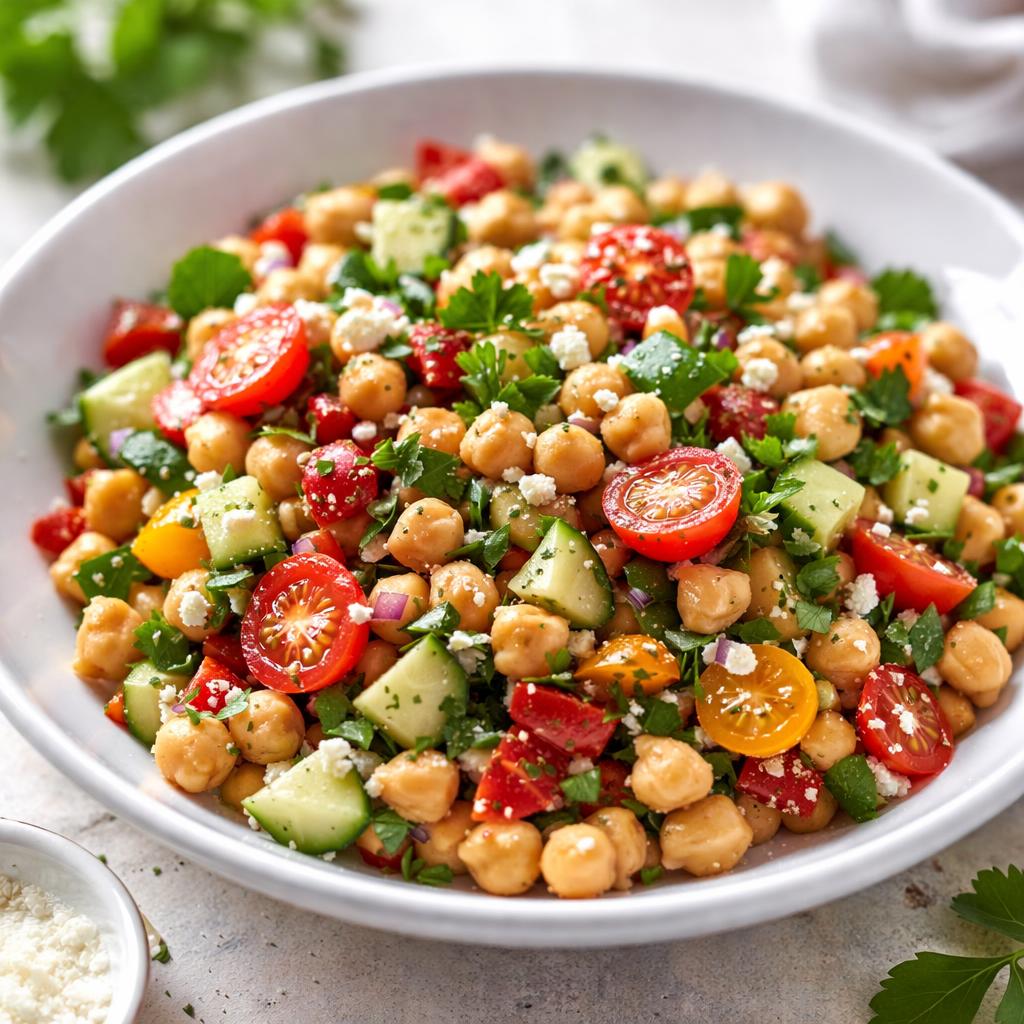
Chickpea Salad
🎯 Quick Verdict
Cucumber is low-calorie and hydrating, making it an excellent choice for weight loss and refreshing snacks. Chickpea salad, on the other hand, is nutrient-dense and higher in protein, fiber, and vitamins, making it ideal for energy and satiety. Each food has distinct benefits depending on dietary goals and use cases.

Smart Nutrition Tracking with SnapCalorie

📊 Nutritional Comparison
Macronutrients
| Nutrient | Food 1 | Food 2 | Winner |
|---|---|---|---|
| Calories | 16 per 100g | 164 per 100g | ✓ |
| Protein | 0.7g | 5g | ✓ |
| Carbs | 3.6g | 27g | ✓ |
| Fat | 0.1g | 8g | ✓ |
| Fiber | 0.5g | 5g | ✓ |
Vitamins & Minerals
| Nutrient | Food 1 | Food 2 | Winner |
|---|---|---|---|
| Vitamin C | 4.5mg | 2.5mg | ✓ |
| Vitamin K | 16.4mcg | 43mcg | ✓ |
| Folate | 7mcg | 120mcg | ✓ |
| Iron | 0.3mg | 1.2mg | ✓ |
🏆 Category Winners
Protein
Chickpea salad has over seven times more protein per serving than cucumber.
Fiber
Chickpea salad provides 10 times the fiber content of cucumber, aiding digestion.
Calories
Cucumber is extremely low in calories, suitable for weight management.
Vitamins
Chickpea salad is more nutrient-dense, offering higher amounts of folate and iron.
🥗 Diet Compatibility
Keto
Food 1: Compatible
Food 2: Not Compatible
Cucumber is low-carb, whereas chickpea salad is high-carb from legumes.
Vegan
Food 1: Compatible
Food 2: Compatible
Both foods are plant-based and suitable for vegans.
Gluten Free
Food 1: Compatible
Food 2: Compatible
Neither food contains gluten.
Paleo
Food 1: Compatible
Food 2: Partially Compatible
Cucumber fits paleo guidelines; chickpeas are often excluded in strict paleo diets.
Low-Carb
Food 1: Compatible
Food 2: Not Compatible
Cucumber is naturally low in carbohydrates.
💪 Health Benefits Comparison
Food 1 Benefits
- Hydrating and low-calorie, ideal for weight management
- Contains vitamin C to support immune health
- Provides small amounts of vitamin K for bone health
Food 2 Benefits
- High in fiber for improved digestion and gut health
- Rich in plant-based protein supporting cellular repair and muscle growth
- Contains folate and iron for red blood cell production and energy
✅ The Bottom Line
Cucumber is best for calorie-conscious eaters and those seeking light, refreshing snacks. Chickpea salad is better for providing sustained energy, protein, and fiber for satiety and balanced nutrition. Both can complement various diets depending on the goal.
Choose Food 1 for: Weight loss, low-calorie diets, hydration
Choose Food 2 for: Energy-dense meals, balanced nutrition, gut health


