Cucumber VS Carrot
A detailed nutritional comparison
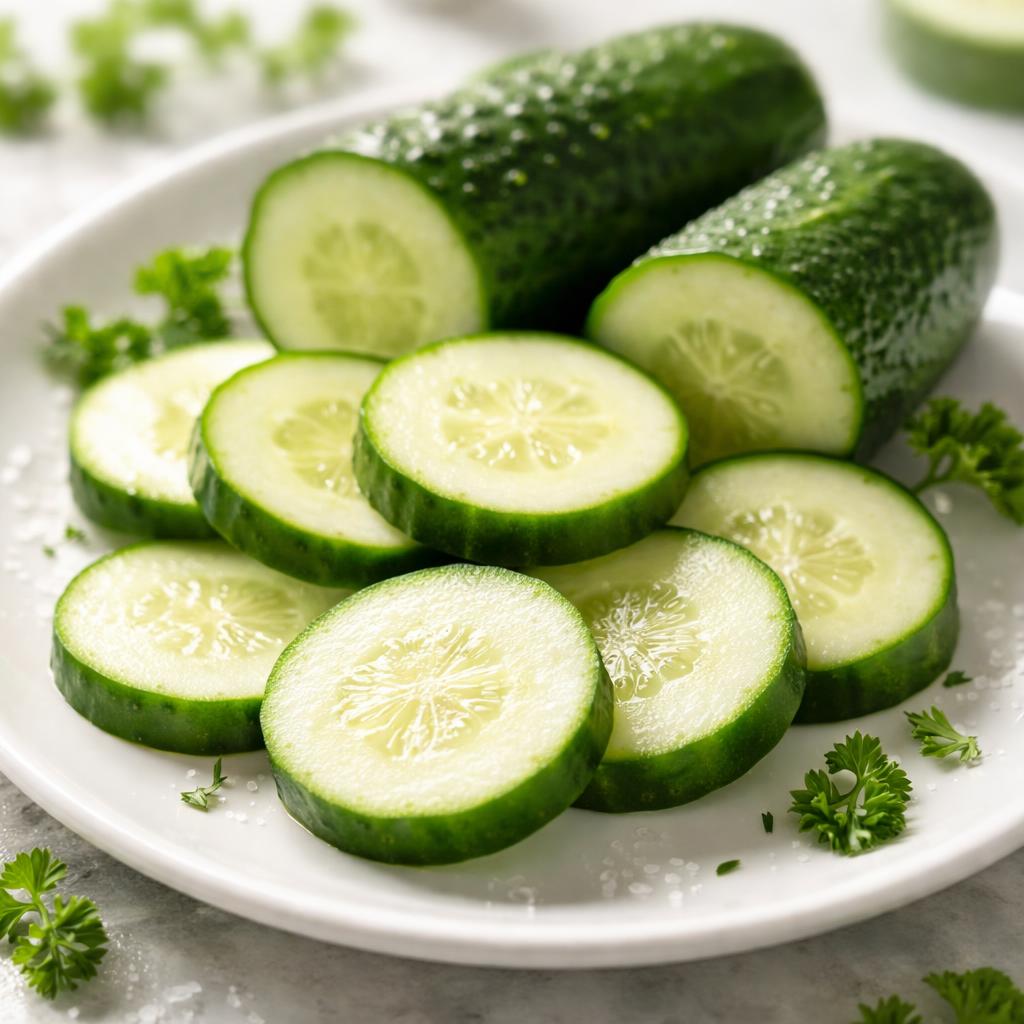
Cucumber
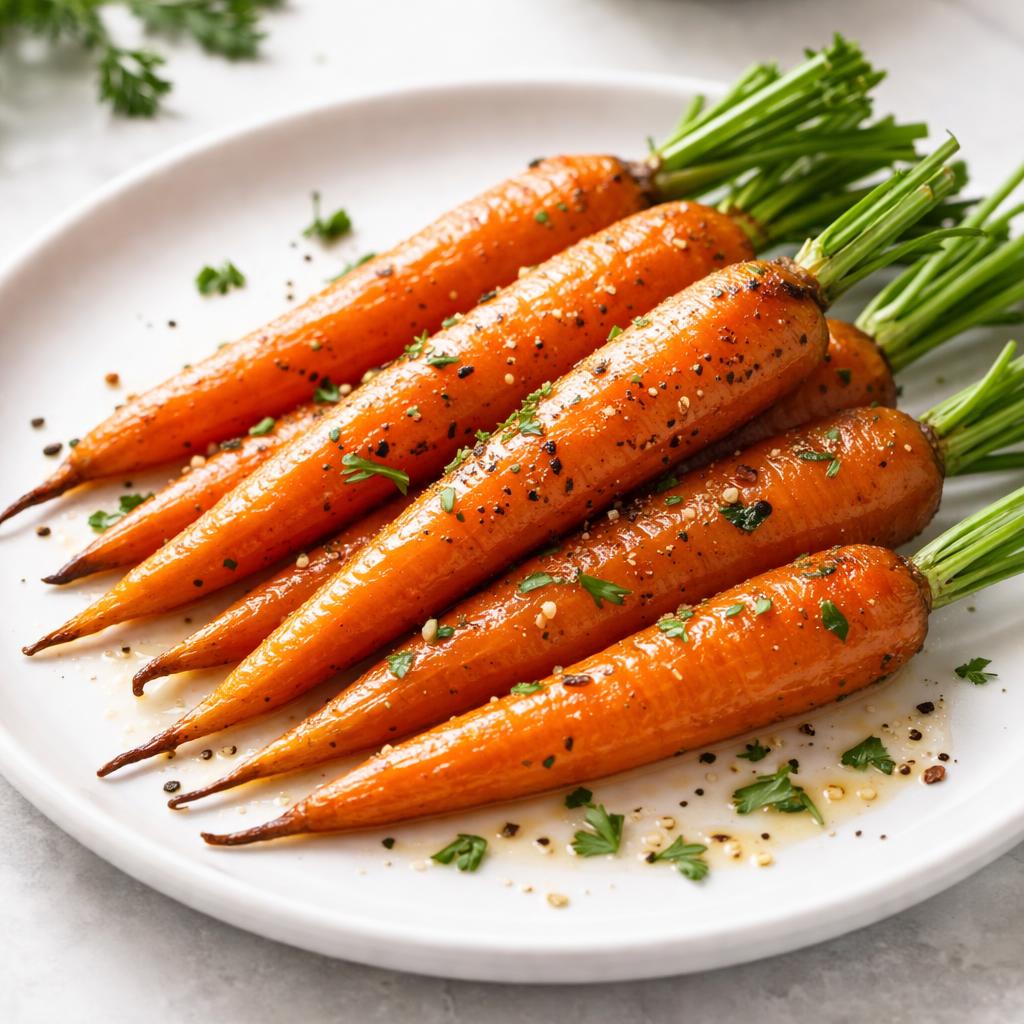
Carrot
🎯 Quick Verdict
Cucumbers and carrots are both low-calorie vegetables but differ in nutritional profiles. Carrots provide more fiber and vitamins like Vitamin A, making them better for eye and immune health, while cucumbers have higher water content and are ultra-low in calories, ideal for hydration and low-carb diets.

Smart Nutrition Tracking with SnapCalorie

📊 Nutritional Comparison
Macronutrients
| Nutrient | Food 1 | Food 2 | Winner |
|---|---|---|---|
| Calories | 15 | 35 | ✓ |
| Protein | 0.7g | 0.6g | − |
| Carbs | 3.6g | 8.2g | ✓ |
| Fat | 0.1g | 0.2g | ✓ |
| Fiber | 0.5g | 2.8g | ✓ |
Vitamins & Minerals
| Nutrient | Food 1 | Food 2 | Winner |
|---|---|---|---|
| Vitamin A | 5 IU | 16706 IU | ✓ |
| Vitamin C | 3mg | 5.9mg | ✓ |
| Vitamin K | 16mcg | 13mcg | ✓ |
| Calcium | 16mg | 33mg | ✓ |
| Iron | 0.3mg | 0.3mg | − |
🏆 Category Winners
Protein
Both cucumber and carrot provide similar protein levels around 0.6-0.7g per serving.
Fiber
Carrots contain significantly more fiber (2.8g per serving) compared to cucumbers (0.5g).
Calories
Cucumber is extremely low in calories (15 per serving), making it ideal for weight loss.
Vitamins
Carrots are rich in Vitamin A and Vitamin C, supporting eye health and immunity.
🥗 Diet Compatibility
Keto
Food 1: Compatible
Food 2: Moderately Compatible
Cucumber is ultra-low-carb and ideal for keto; carrots contain more carbs but can fit moderate keto allowances.
Vegan
Food 1: Compatible
Food 2: Compatible
Both are plant-based.
Gluten Free
Food 1: Compatible
Food 2: Compatible
Neither contains gluten.
Paleo
Food 1: Compatible
Food 2: Compatible
Both are paleo-friendly and unprocessed plant foods.
Low Carb
Food 1: Best Compatible
Food 2: Less Compatible
Cucumber contains 3.6g carbs per serving versus 8.2g in carrots, making it superior for low-carb diets.
💪 Health Benefits Comparison
Food 1 Benefits
- Ultra-low calorie for weight loss diets
- High in hydration with 95% water content
- Rich in Vitamin K supporting blood health
Food 2 Benefits
- High in Vitamin A for eye and skin health
- Good source of fiber aiding digestion
- Provides antioxidants supporting immunity
✅ The Bottom Line
Choose cucumber for hydration, weight loss, and low-carb meals. Opt for carrots for fiber, Vitamin A, and general nutrient density supporting eye health. Both work well as snacks or additions to salads and dishes.
Choose Food 1 for: Hydration, weight loss, keto/low-carb diets
Choose Food 2 for: Eye health, digestion, nutrient-dense choices


