Cucumber VS Cabbage Salad
A detailed nutritional comparison
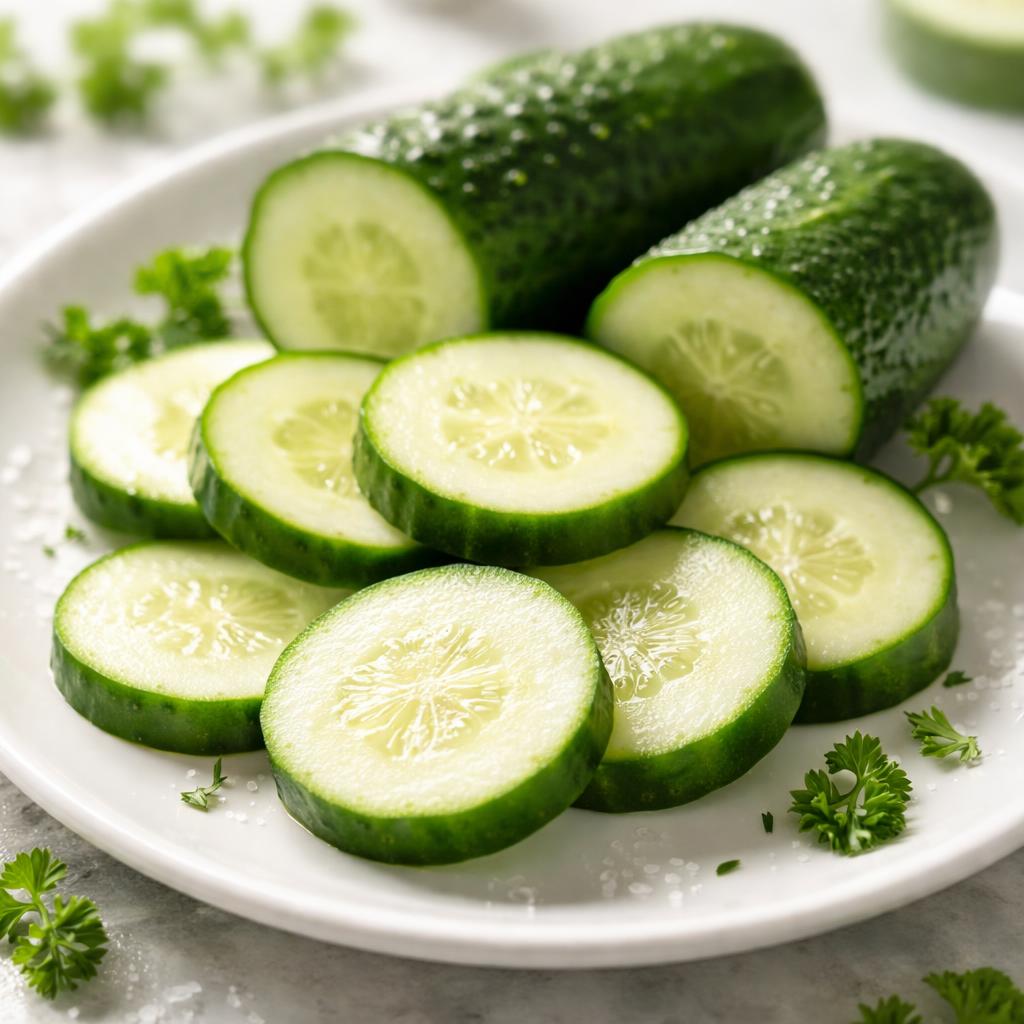
Cucumber
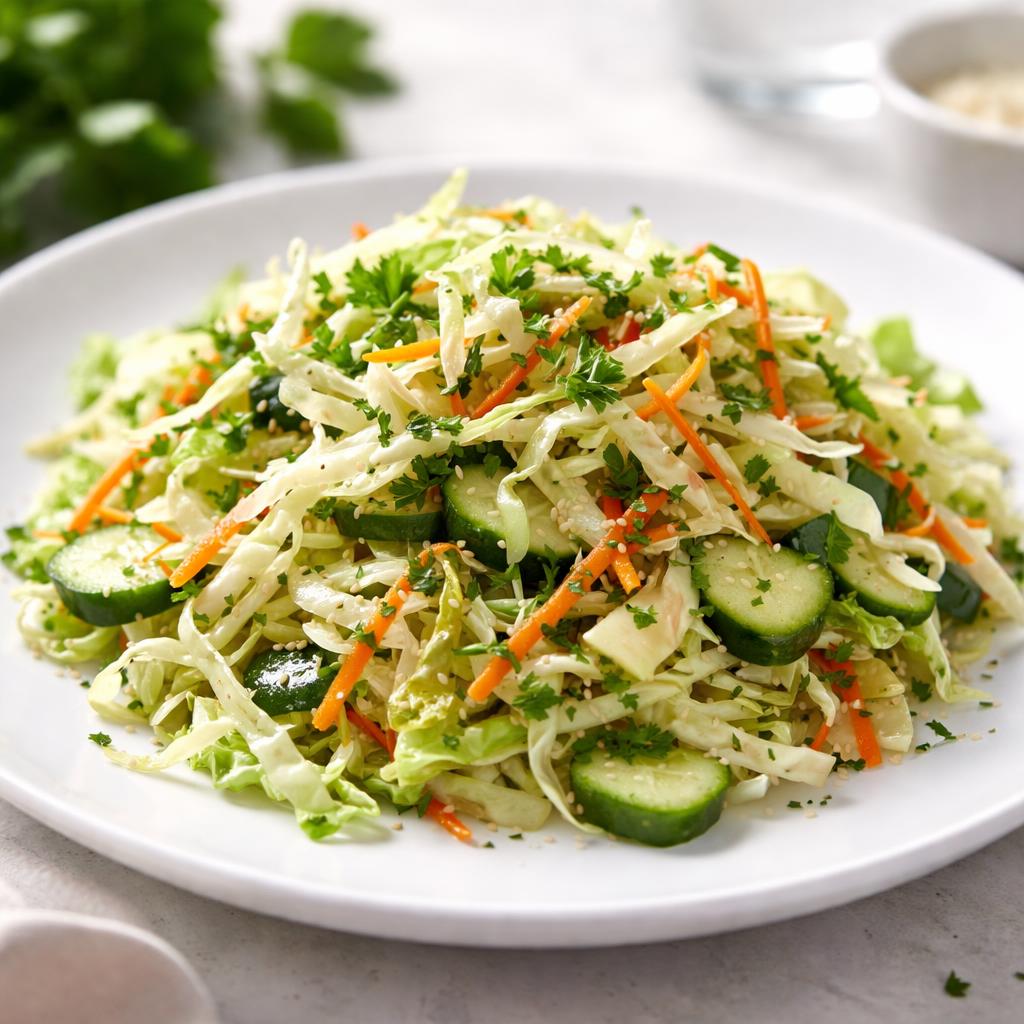
Cabbage Salad
🎯 Quick Verdict
Cucumber is lower in calories and carbs, making it ideal for weight management and hydration. Cabbage salad, however, offers more protein, fiber, and micronutrients, making it a more nutrient-dense food option for overall health benefits. Both are great for plant-based diets, but each serves specific dietary needs effectively.

Smart Nutrition Tracking with SnapCalorie

📊 Nutritional Comparison
Macronutrients
| Nutrient | Food 1 | Food 2 | Winner |
|---|---|---|---|
| Calories | 15 per 100g | 60 per 100g | ✓ |
| Protein | 0.6g | 2g | ✓ |
| Carbs | 3.6g | 7.5g | ✓ |
| Fat | 0.1g | 3g (from dressing) | ✓ |
| Fiber | 0.5g | 2.5g | ✓ |
Vitamins & Minerals
| Nutrient | Food 1 | Food 2 | Winner |
|---|---|---|---|
| Vitamin C | 3mg | 36mg | ✓ |
| Vitamin K | 16.4mcg | 72mcg | ✓ |
| Calcium | 16mg | 40mg | ✓ |
🏆 Category Winners
Protein
Food2 has over three times more protein than food1.
Fiber
Food2 contains 5x more fiber than food1, aiding digestion.
Calories
Food1 is four times lower in calories, ideal for those tracking intake.
Vitamins
Food2 is richer in Vitamin C, K, and calcium, making it more nutrient-dense.
🥗 Diet Compatibility
Keto
Food 1: Compatible
Food 2: Semi-Compatible
Food1 is very low-carb, while food2 has moderate carbs from vegetables and dressing.
Vegan
Food 1: Compatible
Food 2: Compatible
Both are entirely plant-based.
Gluten Free
Food 1: Compatible
Food 2: Compatible
Neither contains gluten.
Paleo
Food 1: Compatible
Food 2: Compatible
Both fit within paleo guidelines, as they naturally occur plant foods.
Low-Carb
Food 1: Compatible
Food 2: Semi-Compatible
Food1 is extremely low-carb, whereas food2 has slightly higher carb content due to added ingredients like dressing.
💪 Health Benefits Comparison
Food 1 Benefits
- Very low in calories, helpful for weight management.
- High water content supports hydration.
- Contains antioxidants like flavonoids for cell protection.
Food 2 Benefits
- Rich in dietary fiber for digestive health.
- High in Vitamin C for immune support and collagen formation.
- Contains Vitamin K for bone health and blood clotting.
✅ The Bottom Line
Cucumber is an excellent choice for hydration, low-calorie snacking, and weight loss plans. Cabbage salad, with its higher fiber, protein, and nutrient density, is better suited for a balanced meal or boosting overall nutrient intake. These foods complement each other well in a healthy diet.
Choose Food 1 for: Hydration, low-calorie diets, snacking
Choose Food 2 for: Digestive health, meal addition, nutrient-rich lunches


