Cucumber VS Butter
A detailed nutritional comparison
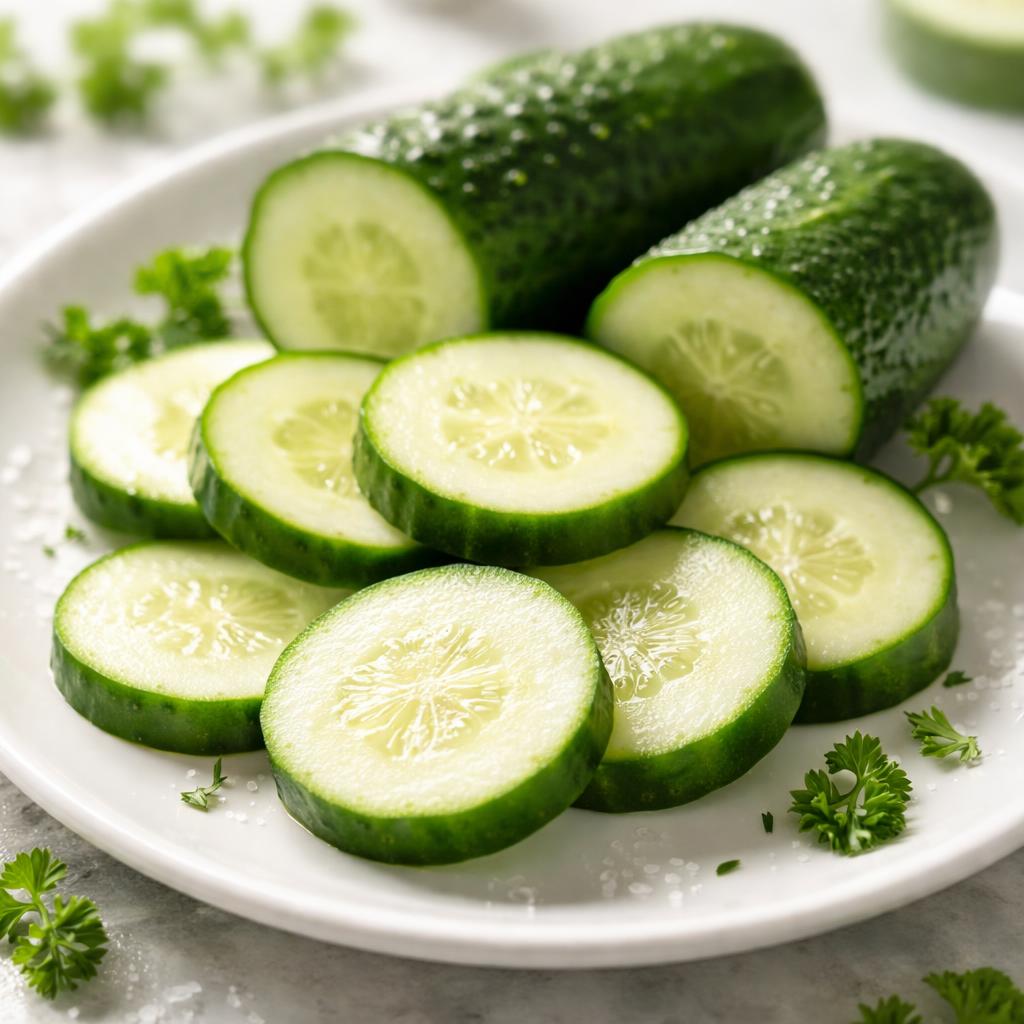
Cucumber
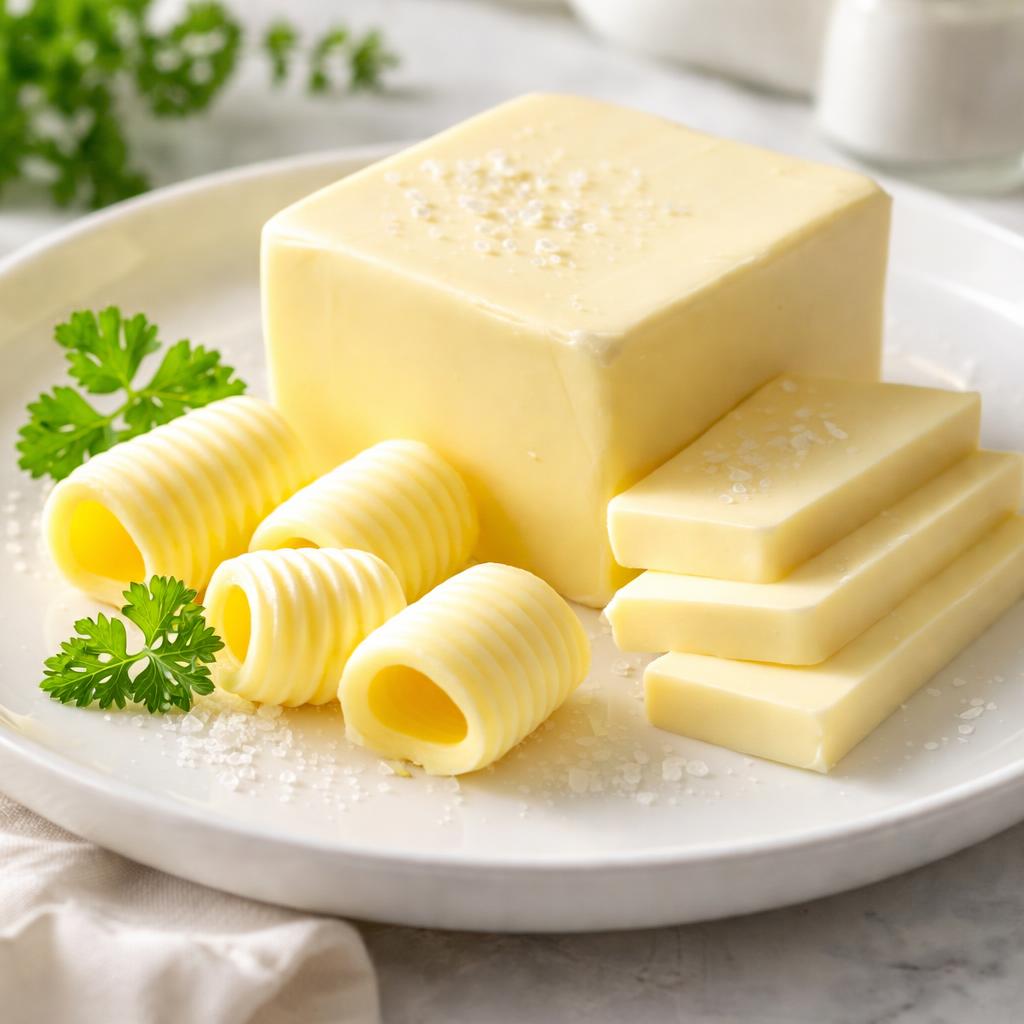
Butter
🎯 Quick Verdict
Cucumber and butter serve vastly different dietary purposes. Cucumber is low in calories, high in fiber, and provides small amounts of nutrients, making it ideal for weight loss and hydration. Butter is calorie-rich, fat-heavy, and low in vitamins but can be a good source of quick energy and healthy fats in moderation. Both are useful based on specific dietary needs.

Smart Nutrition Tracking with SnapCalorie

📊 Nutritional Comparison
Macronutrients
| Nutrient | Food 1 | Food 2 | Winner |
|---|---|---|---|
| Calories | 16 (per 100g) | 717 (per 100g) | ✓ |
| Protein | 0.65g | 0.85g | ✓ |
| Carbs | 3.63g | 0.1g | ✓ |
| Fat | 0.11g | 81g | ✓ |
| Fiber | 0.5g | 0g | ✓ |
Vitamins & Minerals
| Nutrient | Food 1 | Food 2 | Winner |
|---|---|---|---|
| Vitamin D | 0mcg | 1.5mcg | ✓ |
| Vitamin K | 16.4mcg | 3.3mcg | ✓ |
| Calcium | 16mg | 24mg | ✓ |
| Potassium | 147mg | 24mg | ✓ |
🏆 Category Winners
Protein
Butter contains slightly more protein than cucumber by weight.
Fiber
Cucumber provides dietary fiber that butter lacks entirely.
Calories
Cucumber is 95% water, making it drastically lower in calories than butter.
Vitamins
Cucumber offers more vitamin K and potassium, while butter provides vitamin D and calcium.
🥗 Diet Compatibility
Keto
Food 1: Compatible
Food 2: Compatible
Both are low in carbs, but butter is often preferred due to its high fat content.
Vegan
Food 1: Compatible
Food 2: Not Compatible
Cucumber is plant-based, while butter is derived from milk.
Gluten Free
Food 1: Compatible
Food 2: Compatible
Neither cucumber nor butter contains gluten.
Paleo
Food 1: Compatible
Food 2: Compatible
Both foods fit paleo principles depending on butter quality.
Low-Carb
Food 1: Compatible
Food 2: Compatible
Both are low in carbohydrates.
💪 Health Benefits Comparison
Food 1 Benefits
- High water content for hydration
- Provides potassium for heart health
- Contains antioxidants
- Low-calorie option for weight loss
Food 2 Benefits
- Good source of healthy fats for energy
- Contains vitamin D for bone health
- Supports hormone production
- Provides quick energy for high-fat diets
✅ The Bottom Line
Cucumber is ideal for hydrating, low-calorie diets, and is better for fiber intake, while butter provides concentrated sources of fats and energy. Use cucumber for weight loss, refreshing snacks, or pairing with other foods for nutrition, while butter suits keto or low-carb diets and adds rich flavor to meals in moderation.
Choose Food 1 for: Weight loss, hydration, fiber-rich diets
Choose Food 2 for: Energy-boosting, keto diets, cooking and baking


