Crispbread VS Whole Grain Bread
A detailed nutritional comparison
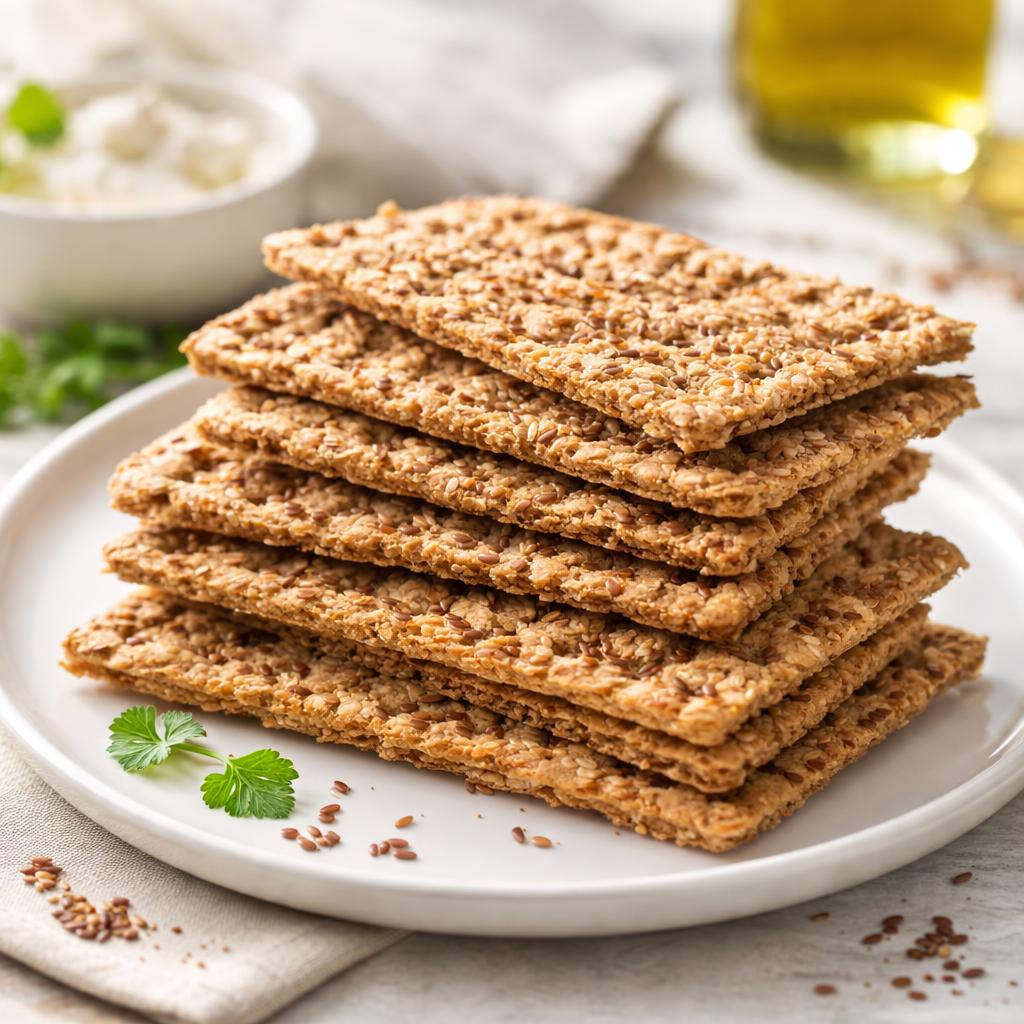
Crispbread
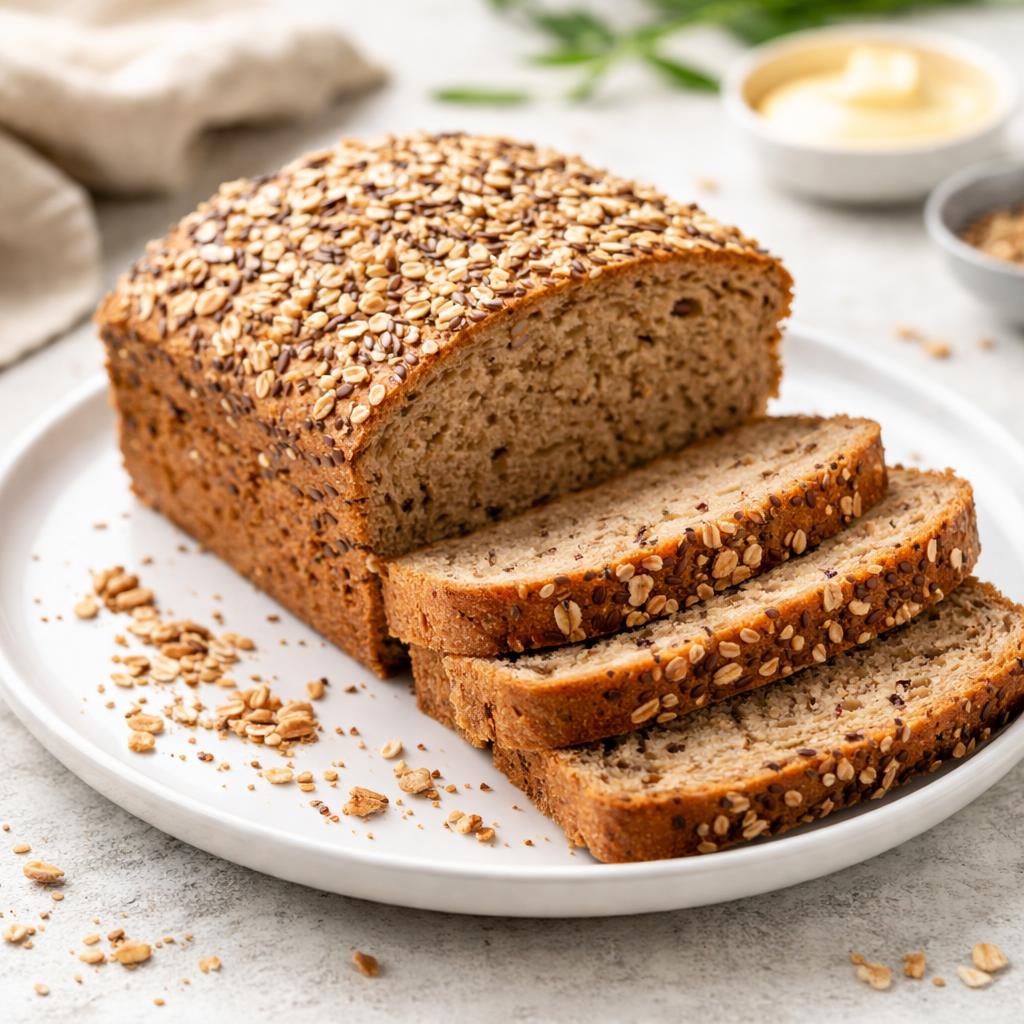
Whole Grain Bread
🎯 Quick Verdict
Crispbread is lower in calories and slightly higher in protein per serving, making it ideal for weight-friendly meals or high-protein diets. Whole grain bread, however, offers more fiber and micronutrients, making it a great choice for sustained energy and digestive health. Both are versatile in various diets, but their use depends on dietary goals.

Smart Nutrition Tracking with SnapCalorie

📊 Nutritional Comparison
Macronutrients
| Nutrient | Food 1 | Food 2 | Winner |
|---|---|---|---|
| Calories | 35 (per slice) | 80 (per slice) | ✓ |
| Protein | 1g | 4g | ✓ |
| Carbs | 7g | 13g | ✓ |
| Fat | 0.5g | 1g | ✓ |
| Fiber | 1g | 2g | ✓ |
Vitamins & Minerals
| Nutrient | Food 1 | Food 2 | Winner |
|---|---|---|---|
| Vitamin B1 (Thiamine) | 0.1mg | 0.2mg | ✓ |
| Vitamin B3 (Niacin) | 0.5mg | 1mg | ✓ |
| Iron | 0.3mg | 0.8mg | ✓ |
| Magnesium | 10mg | 20mg | ✓ |
🏆 Category Winners
Protein
Whole grain bread has 4x more protein per slice.
Fiber
Whole grain bread offers double the fiber per slice, supporting digestion.
Calories
Crispbread has less than half the calories per serving compared to whole grain bread.
Vitamins
Whole grain bread is richer in essential micronutrients like iron and magnesium.
🥗 Diet Compatibility
Keto
Food 1: Not Compatible
Food 2: Not Compatible
Both foods are too high in carbs for a keto diet.
Vegan
Food 1: Compatible
Food 2: Compatible
Both are plant-based and free of animal products.
Gluten Free
Food 1: Not Compatible
Food 2: Not Compatible
Both contain gluten from wheat-based ingredients.
Paleo
Food 1: Not Compatible
Food 2: Not Compatible
Grain-based foods are avoided in paleo diets.
Low-Carb
Food 1: More Compatible
Food 2: Less Compatible
Crispbread has fewer carbs per serving.
💪 Health Benefits Comparison
Food 1 Benefits
- Low calorie option for weight management
- Acts as a light base for nutrient-dense toppings
- Lower carbohydrate content for blood sugar control
Food 2 Benefits
- Rich in fiber, supporting gut health
- Excellent source of essential vitamins like B1 and iron
- Provides steady energy due to its complex carbohydrates
✅ The Bottom Line
Crispbread is a lighter option suitable for low-calorie and low-carb meals but lacks robust nutrition compared to whole grain bread. Whole grain bread is a better choice for fiber, sustained energy, and added vitamins, but is higher in calories and carbs. The choice depends on your dietary goals, such as weight loss vs nutritional density.
Choose Food 1 for: Weight management, low-carb snacks, topping bases
Choose Food 2 for: Balanced meals, gut health, micronutrient-rich diets


