Couscous VS Wild Rice
A detailed nutritional comparison
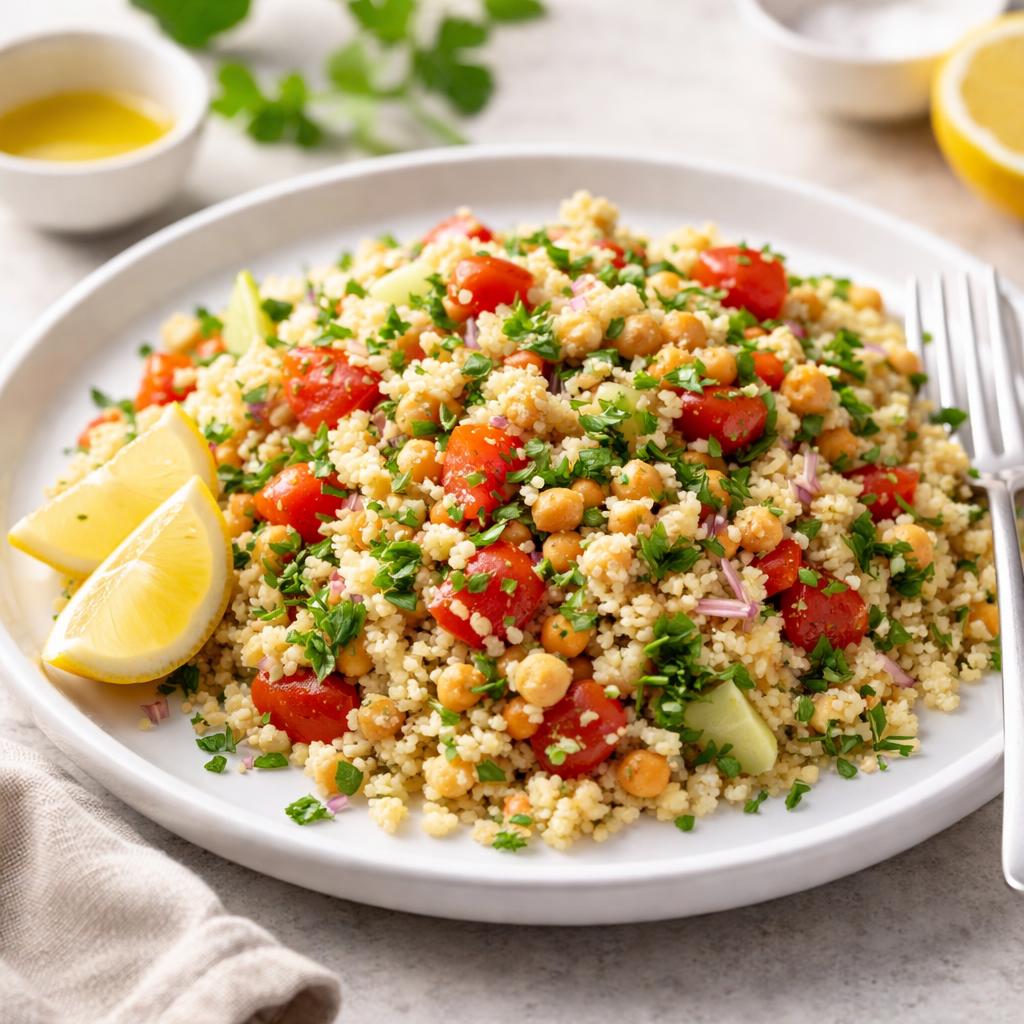
Couscous
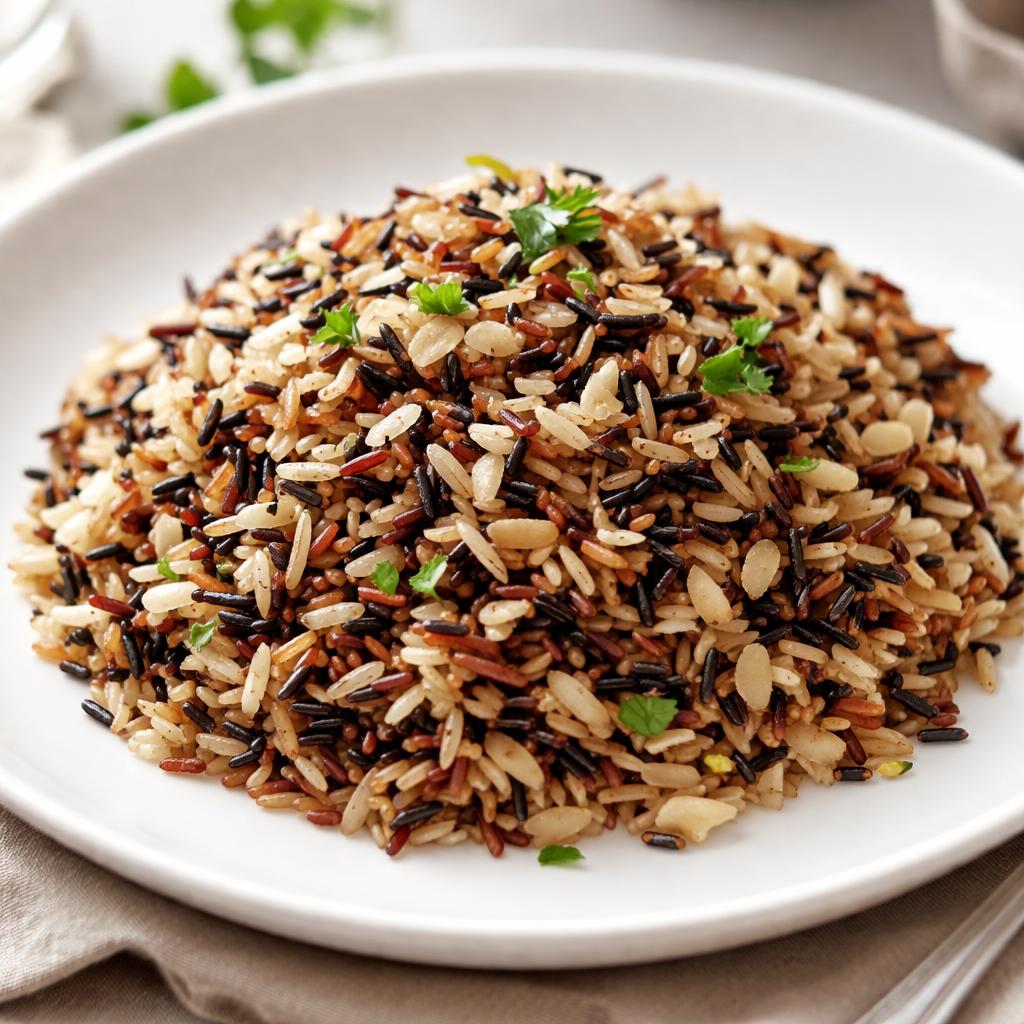
Wild Rice
🎯 Quick Verdict
Wild rice is nutritionally superior to couscous in protein, fiber, and essential micronutrients, making it a solid choice for sustained energy and overall nutrition. Couscous is lower in calories and cooks faster, making it suitable for quick meals or weight management-focused diets. Both are versatile and work well in various dishes.

Smart Nutrition Tracking with SnapCalorie

📊 Nutritional Comparison
Macronutrients
| Nutrient | Food 1 | Food 2 | Winner |
|---|---|---|---|
| Calories | 176 per cup (cooked) | 166 per cup (cooked) | ✓ |
| Protein | 5.95g | 6.54g | ✓ |
| Carbs | 36g | 35g | ✓ |
| Fat | 0.3g | 0.55g | ✓ |
| Fiber | 2.2g | 3g | ✓ |
Vitamins & Minerals
| Nutrient | Food 1 | Food 2 | Winner |
|---|---|---|---|
| Vitamin B6 | 0.08mg | 0.16mg | ✓ |
| Magnesium | 8mg | 43mg | ✓ |
| Zinc | 0.3mg | 0.8mg | ✓ |
| Phosphorus | 23mg | 134mg | ✓ |
🏆 Category Winners
Protein
Wild rice contains about 10% more protein per cup compared to couscous.
Fiber
Wild rice provides 36% more fiber per serving, promoting better digestive health.
Calories
Wild rice has slightly fewer calories than couscous.
Vitamins
Wild rice is richer in magnesium, zinc, and other key micronutrients.
🥗 Diet Compatibility
Keto
Food 1: Not Compatible
Food 2: Not Compatible
Both foods are high in carbs and not suitable for keto diets.
Vegan
Food 1: Compatible
Food 2: Compatible
Both foods are plant-based and vegan-friendly.
Gluten Free
Food 1: Not Compatible
Food 2: Compatible
Couscous contains gluten, while wild rice is naturally gluten-free.
Paleo
Food 1: Not Compatible
Food 2: Compatible
Wild rice fits within paleo guidelines; couscous does not due to being processed wheat.
Low Carb
Food 1: Not Compatible
Food 2: Not Compatible
Both foods are high in carbohydrates and unsuitable for low-carb diets.
💪 Health Benefits Comparison
Food 1 Benefits
- Low in calories, supporting weight management goals
- Quick cooking time for convenient meal prep
- Mild flavor that pairs well with various ingredients
Food 2 Benefits
- Higher protein for muscle maintenance and repair
- Rich in fiber for digestive health and satiety
- Good source of magnesium, zinc, and phosphorus for bone and immune health
- Contains antioxidants that support overall health
✅ The Bottom Line
Choose couscous for quick, low-calorie meals or if you’re on a tight schedule, as it cooks in just minutes. Opt for wild rice if you prioritize overall nutrition, such as fiber, protein, and micronutrients, or need a gluten-free option. Both work well in diverse recipes.
Choose Food 1 for: Busy schedules, weight management, lighter meals
Choose Food 2 for: Digestive health, muscle repair, gluten-free diets


