Couscous VS Wholewheat Bread
A detailed nutritional comparison
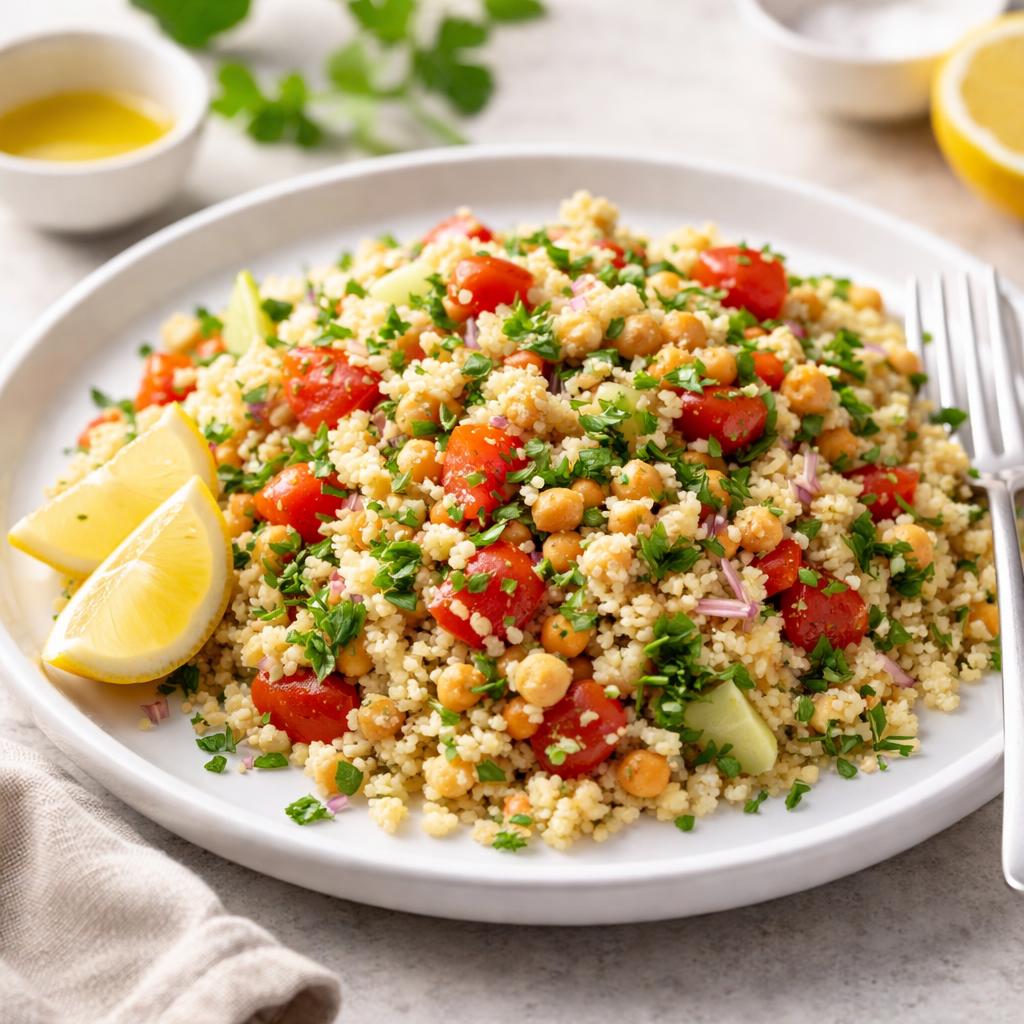
Couscous
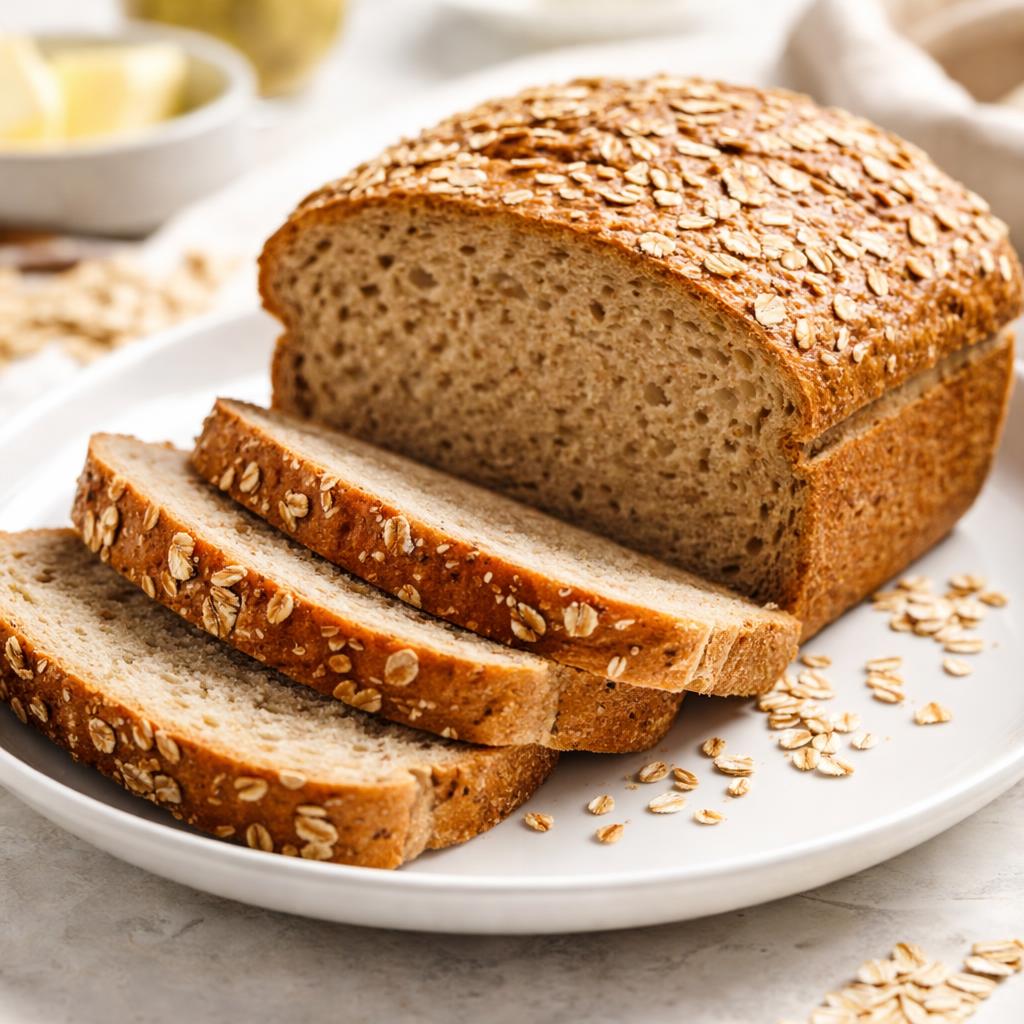
Wholewheat Bread
🎯 Quick Verdict
Wholewheat bread offers higher protein and fiber content compared to couscous, making it a more nutrient-dense choice. However, couscous is lower in calories and fat, making it a lighter option. Each food serves different dietary needs: couscous is better for calorie-conscious meals, while wholewheat bread is better for sustained energy and gut health.

Smart Nutrition Tracking with SnapCalorie

📊 Nutritional Comparison
Macronutrients
| Nutrient | Food 1 | Food 2 | Winner |
|---|---|---|---|
| Calories | 112 per 100g cooked | 246 per 100g | ✓ |
| Protein | 3.8g per 100g cooked | 12g per 100g | ✓ |
| Carbs | 23.2g per 100g cooked | 41.4g per 100g | ✓ |
| Fat | 0.2g per 100g cooked | 3.3g per 100g | ✓ |
| Fiber | 1.4g per 100g cooked | 7g per 100g | ✓ |
Vitamins & Minerals
| Nutrient | Food 1 | Food 2 | Winner |
|---|---|---|---|
| Vitamin B6 | 0.04mg per 100g cooked | 0.3mg per 100g | ✓ |
| Iron | 0.36mg per 100g cooked | 3.6mg per 100g | ✓ |
| Magnesium | 8mg per 100g cooked | 69mg per 100g | ✓ |
🏆 Category Winners
Protein
Wholewheat bread contains over three times as much protein per 100g as couscous.
Fiber
Wholewheat bread has five times more fiber per 100g, supporting better digestion.
Calories
Couscous has less than half the calories of wholewheat bread, making it lighter.
Vitamins
Wholewheat bread is significantly richer in key vitamins and minerals like iron and magnesium.
🥗 Diet Compatibility
Keto
Food 1: Not Compatible
Food 2: Not Compatible
Both are high in carbs and unsuitable for a keto diet.
Vegan
Food 1: Compatible
Food 2: Compatible
Both are plant-based and suitable for vegan diets.
Gluten Free
Food 1: Not Compatible
Food 2: Not Compatible
Both contain gluten and are unsuitable for gluten-free diets.
Paleo
Food 1: Not Compatible
Food 2: Not Compatible
Neither aligns with paleo parameters as they are grain-based.
Low Carb
Food 1: Not Compatible
Food 2: Not Compatible
Both are relatively high in carbohydrates and unsuitable for strict low-carb diets.
💪 Health Benefits Comparison
Food 1 Benefits
- Low in calories, ideal for weight management
- Contains small amounts of selenium for antioxidant support
- Quick-cooking for convenience in meals
Food 2 Benefits
- High in fiber for improved digestive health
- Rich in protein for muscle maintenance and growth
- Good source of iron for better oxygen transport and energy production
- Contains magnesium for heart and bone health
✅ The Bottom Line
Couscous is a great option for those looking for a low-calorie, quick-to-cook base for meals, while wholewheat bread provides superior protein, fiber, and micronutrient content for energy and sustaining health. Choose couscous for light meals and wholewheat bread for nutrient-dense snacks or sandwiches.
Choose Food 1 for: Low-calorie meals, fast preparation, weight management
Choose Food 2 for: High-protein diets, gut health, energy-sustaining snacks or sandwiches


