Couscous VS Whole Grain Pasta
A detailed nutritional comparison
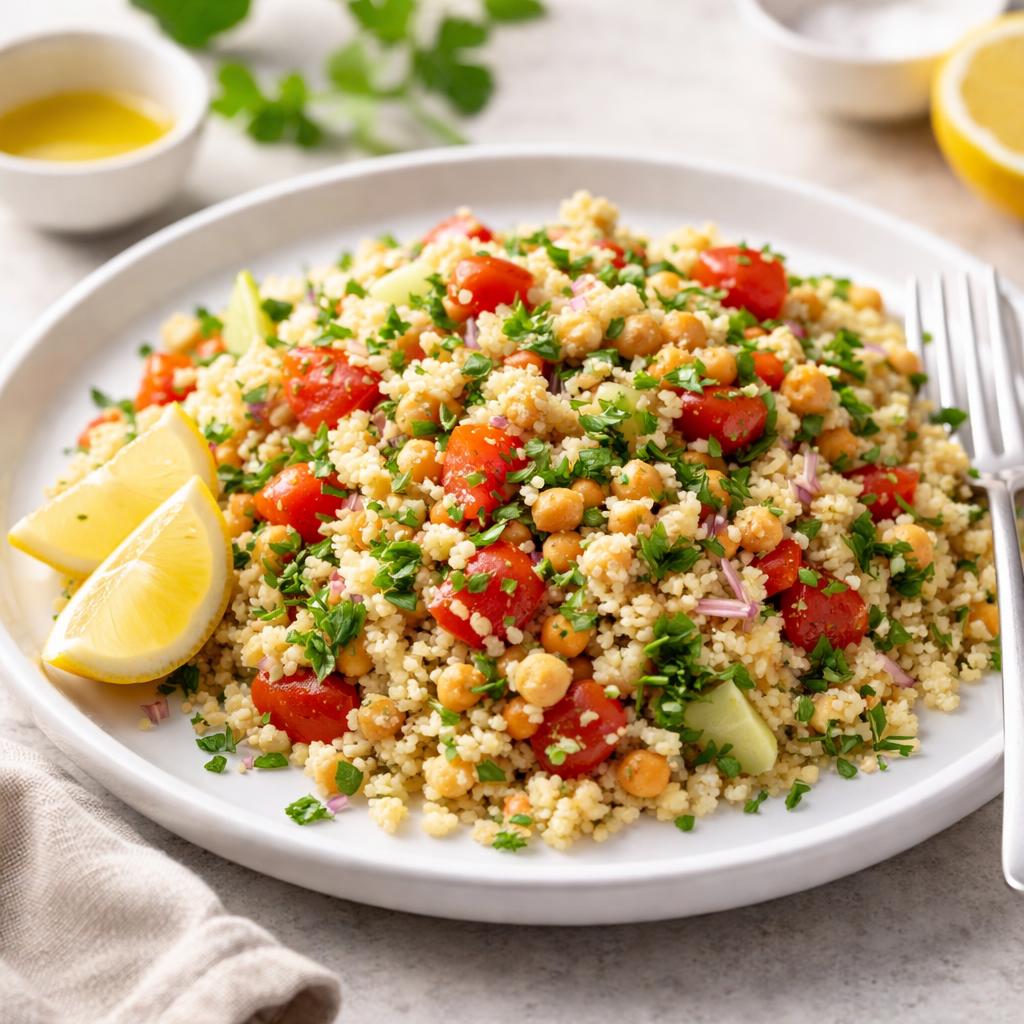
Couscous
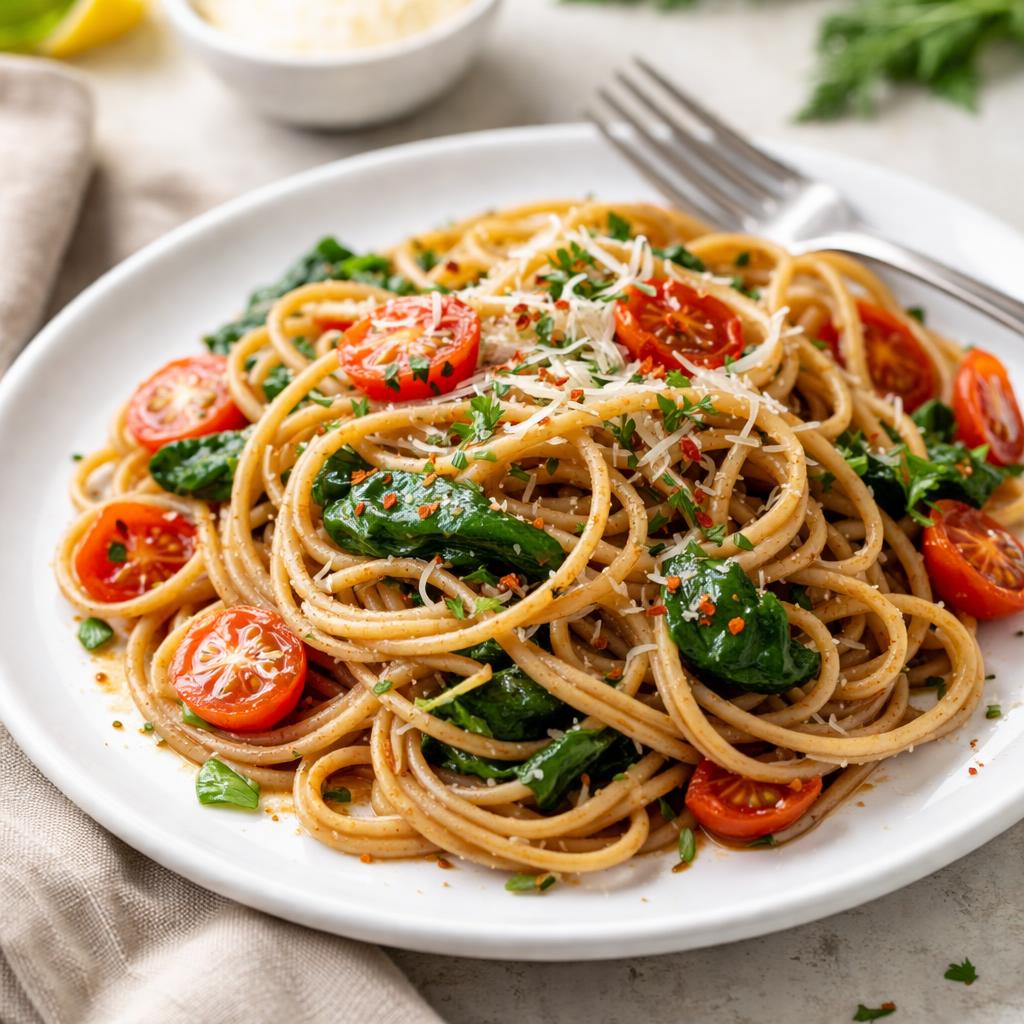
Whole Grain Pasta
🎯 Quick Verdict
Whole grain pasta generally outperforms couscous in terms of protein and fiber, making it the better choice for sustained energy, muscle building, and digestive health. Couscous is lower in calories, offering a lighter option for calorie-conscious meals. Both are versatile, healthy carbohydrate sources but cater to slightly different dietary needs.

Smart Nutrition Tracking with SnapCalorie

📊 Nutritional Comparison
Macronutrients
| Nutrient | Food 1 | Food 2 | Winner |
|---|---|---|---|
| Calories | 176 per cup (157g) | 211 per cup (140g) | ✓ |
| Protein | 6g per cup | 8g per cup | ✓ |
| Carbs | 36g per cup | 41g per cup | ✓ |
| Fat | 0.3g per cup | 1.3g per cup | ✓ |
| Fiber | 2g per cup | 5g per cup | ✓ |
Vitamins & Minerals
| Nutrient | Food 1 | Food 2 | Winner |
|---|---|---|---|
| Vitamin B6 | 0.038mg per cup | 0.2mg per cup | ✓ |
| Niacin (B3) | 1.9mg per cup | 2.5mg per cup | ✓ |
| Thiamin (B1) | 0.1mg per cup | 0.5mg per cup | ✓ |
🏆 Category Winners
Protein
Whole grain pasta contains 33% more protein per serving compared to couscous.
Fiber
Whole grain pasta has 150% more fiber per serving, supporting digestive health.
Calories
Couscous has roughly 17% fewer calories per serving, making it lighter for lower-calorie diets.
🥗 Diet Compatibility
Keto
Food 1: Not Compatible
Food 2: Not Compatible
Both are high in carbohydrates.
Vegan
Food 1: Compatible
Food 2: Compatible
Both are plant-based grains.
Gluten Free
Food 1: Not Compatible
Food 2: Not Compatible
Both foods contain gluten.
Paleo
Food 1: Not Compatible
Food 2: Not Compatible
Couscous and whole grain pasta are processed grains not suited for paleo diets.
Low-Carb
Food 1: Not Compatible
Food 2: Not Compatible
Both are high-carb foods unsuitable for strict low-carb diets.
💪 Health Benefits Comparison
Food 1 Benefits
- Lower calorie option for weight management
- Quick to cook, convenient for meal prep
- Contains small amounts of selenium for antioxidant benefits
Food 2 Benefits
- High in fiber for improved digestion and gut health
- Provides sustained energy due to complex carbohydrates
- Higher protein content supports muscle repair
✅ The Bottom Line
Choose couscous if you're looking for a lighter, quick-cooking option to complement calorie-conscious meals. Whole grain pasta is the better choice for long-lasting energy, digestive health, and higher protein needs—ideal for active individuals or post-workout meals.
Choose Food 1 for: Low-calorie diets, quick meals, light side dishes
Choose Food 2 for: Active lifestyles, high-protein meals, nutrient-dense dishes


