Couscous VS Walnut Bread
A detailed nutritional comparison
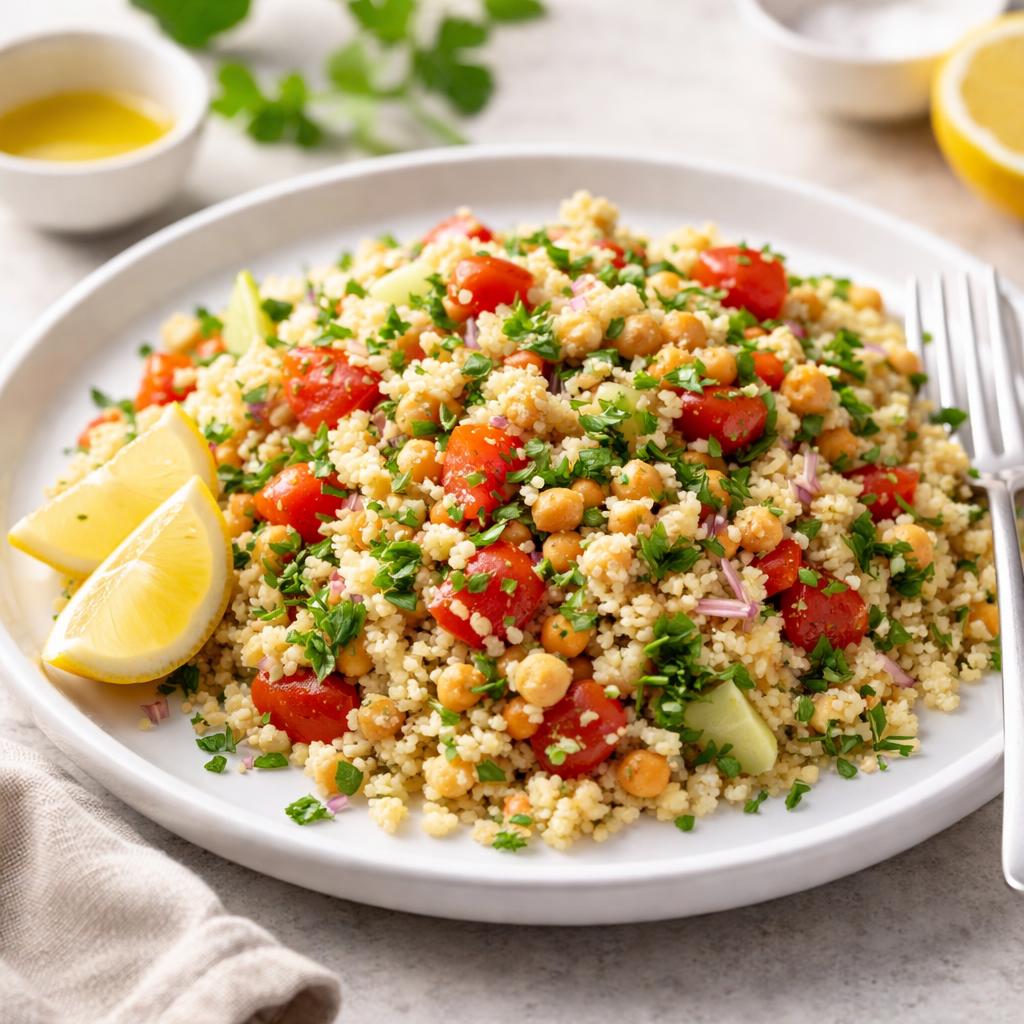
Couscous
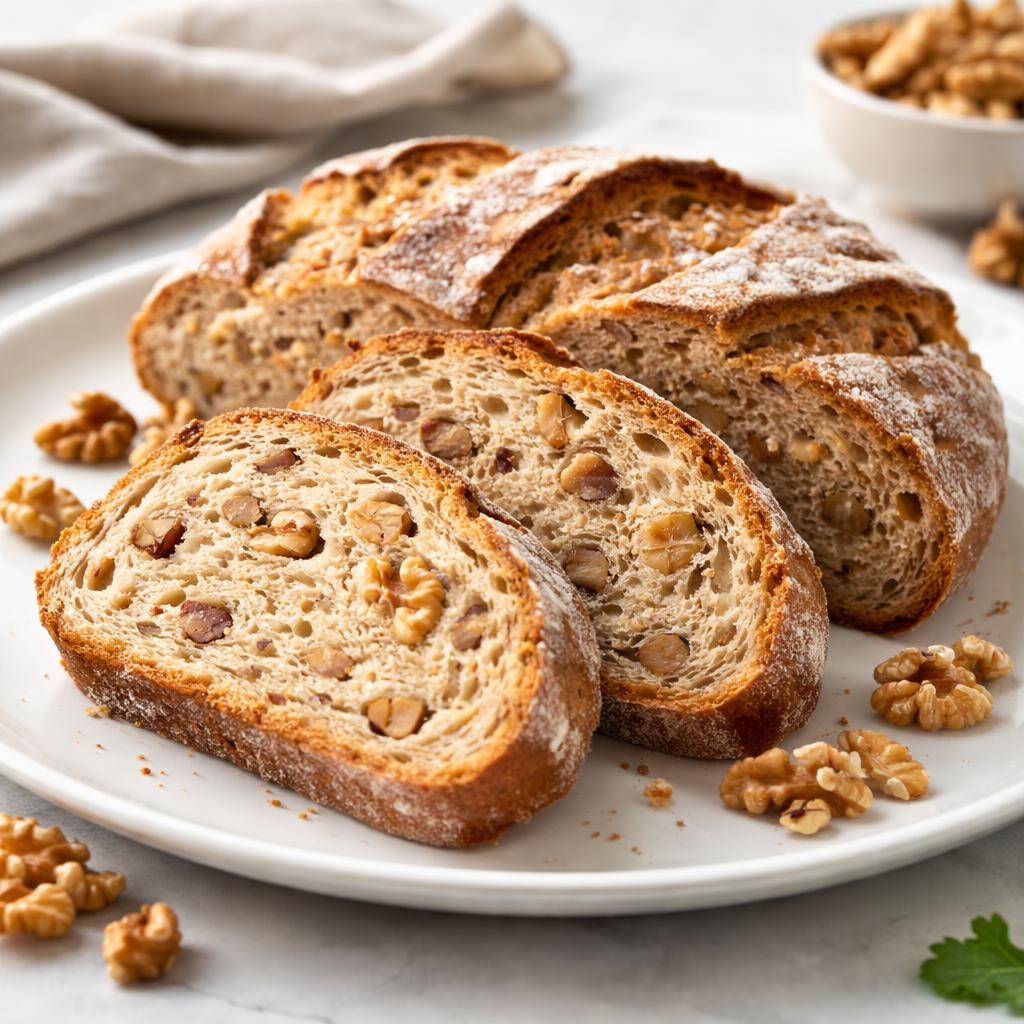
Walnut Bread
🎯 Quick Verdict
Couscous is lower in calories and contains more carbohydrates, making it a quick energy source for active lifestyles. Walnut bread, on the other hand, is richer in protein, fiber, and healthy fats, making it more suitable for balanced nutrition and sustained energy. Each food has different strengths depending on dietary priorities.

Smart Nutrition Tracking with SnapCalorie

📊 Nutritional Comparison
Macronutrients
| Nutrient | Food 1 | Food 2 | Winner |
|---|---|---|---|
| Calories | 112 per 100g | 240 per 100g | ✓ |
| Protein | 3.8g per 100g | 7g per 100g | ✓ |
| Carbs | 23.2g per 100g | 38g per 100g | ✓ |
| Fat | 0.2g per 100g | 8g per 100g | ✓ |
| Fiber | 1.4g per 100g | 4.5g per 100g | ✓ |
Vitamins & Minerals
| Nutrient | Food 1 | Food 2 | Winner |
|---|---|---|---|
| Vitamin D | 0mcg per 100g | 0mcg per 100g | − |
| Calcium | 8mg per 100g | 20mg per 100g | ✓ |
| Iron | 0.4mg per 100g | 1.3mg per 100g | ✓ |
🏆 Category Winners
Protein
Walnut bread provides nearly double the protein compared to couscous.
Fiber
Walnut bread contains over three times more fiber, aiding in digestion.
Calories
Couscous is lower calorie, making it better for weight management.
🥗 Diet Compatibility
Keto
Food 1: Not Compatible
Food 2: Not Compatible
Neither food is low-carb.
Vegan
Food 1: Compatible
Food 2: Compatible
Both are plant-based foods.
Gluten Free
Food 1: Not Compatible
Food 2: Not Compatible
Couscous and walnut bread contain gluten.
Paleo
Food 1: Not Compatible
Food 2: Not Compatible
Couscous and walnut bread are grain-based foods which are excluded on paleo diets.
Low-Carb
Food 1: Not Compatible
Food 2: Not Compatible
Both foods contain moderate to high carbohydrate content.
💪 Health Benefits Comparison
Food 1 Benefits
- Low in calories, helpful for weight management
- Provides quick energy due to high carbohydrate content
- Contains small amounts of iron for red blood cell health
Food 2 Benefits
- Rich in fiber to support digestive health
- Provides protein for muscle maintenance and repair
- Contains healthy fats, including omega-3s from walnuts, good for heart health
- Offers minerals such as calcium and iron for overall wellness
✅ The Bottom Line
Couscous is ideal for those seeking a low-calorie, quick energy option, particularly for active lifestyles or lighter meals. Walnut bread is a better choice for those who want a more balanced, nutrient-dense option with fiber, protein, and heart-healthy fats. The decision depends on your primary dietary goals.
Choose Food 1 for: Low-calorie diets, pre-workout energy boost, quick-cook meals
Choose Food 2 for: Balanced nutrition, heart health, sustained energy


