Couscous VS Vegetable Rice
A detailed nutritional comparison
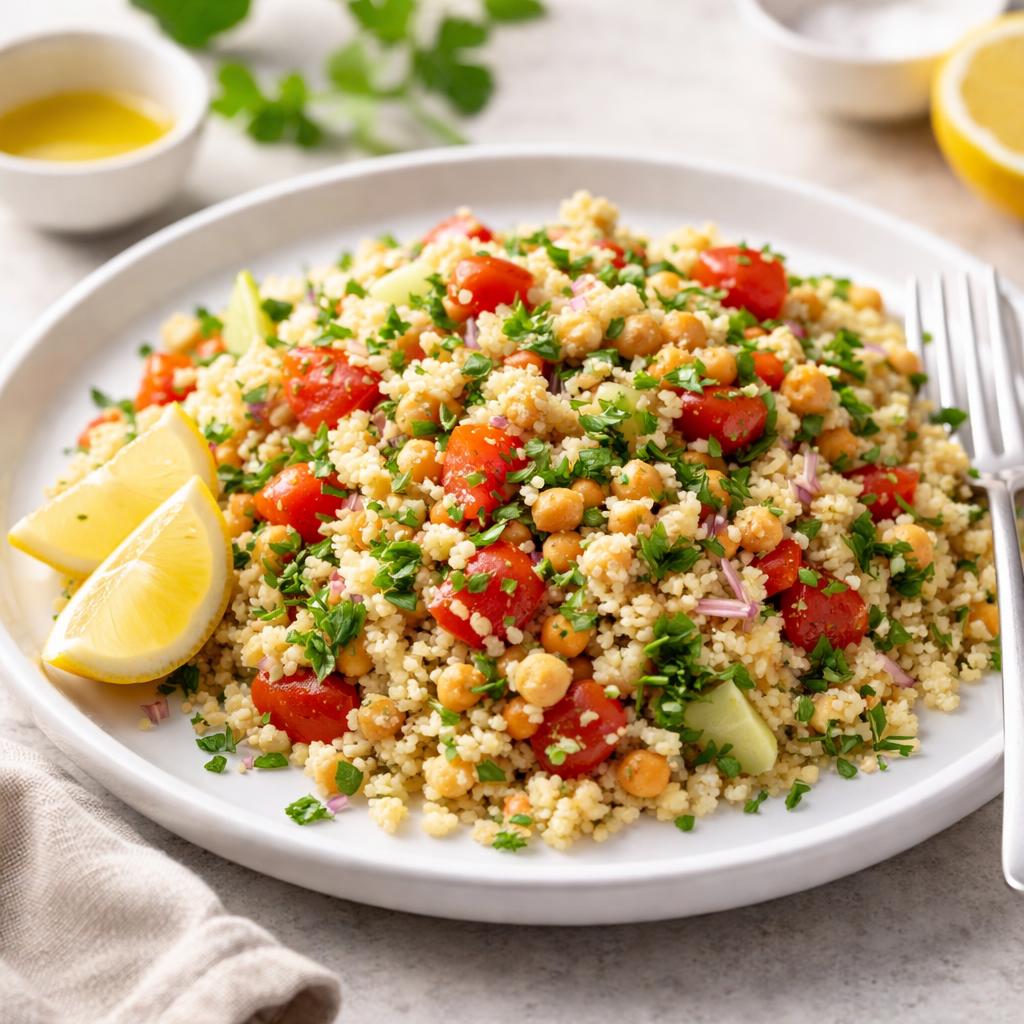
Couscous
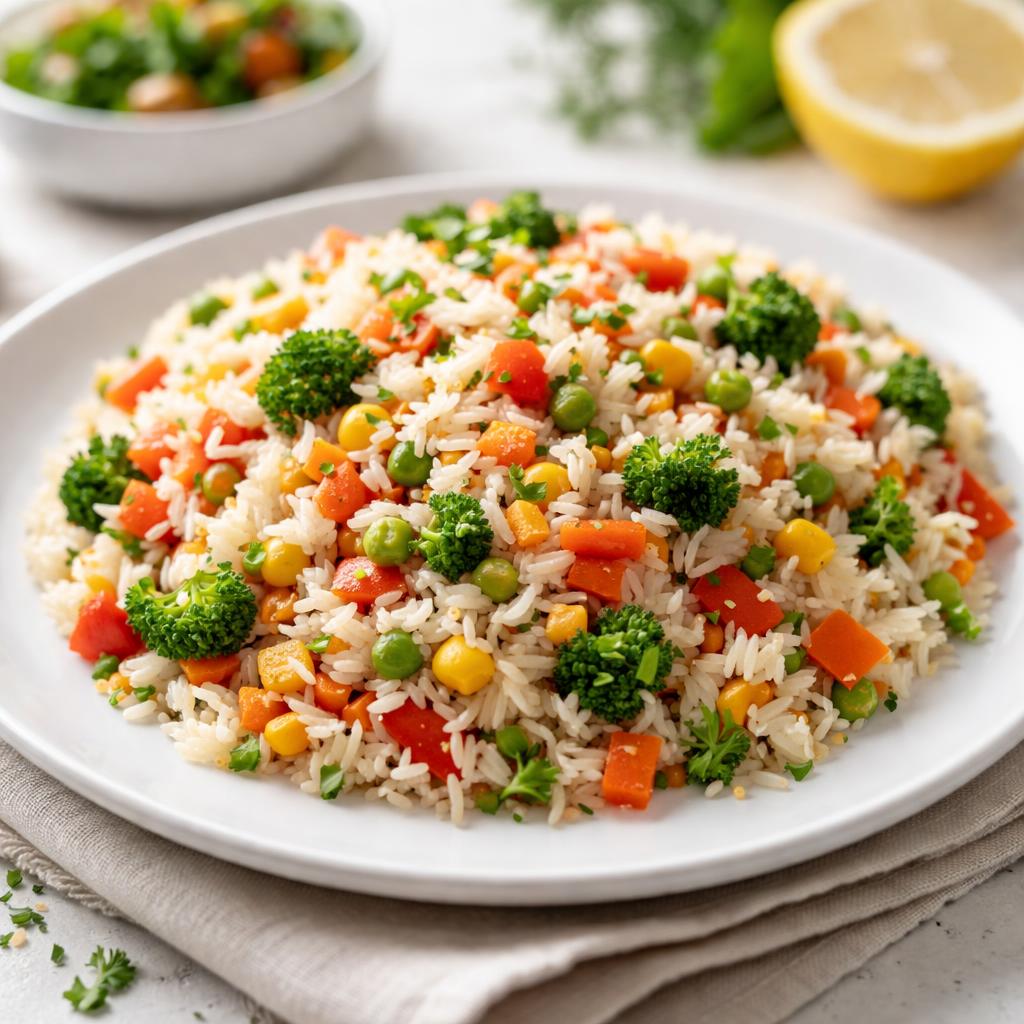
Vegetable Rice
🎯 Quick Verdict
Couscous is higher in protein per serving, making it a great choice for muscle-building or post-workout recovery. Vegetable rice stands out with its higher fiber content and added nutrients from vegetables, ideal for digestive health and overall nutrient density. Both are relatively low in calories, making them versatile options for weight management and balanced meals.

Smart Nutrition Tracking with SnapCalorie

📊 Nutritional Comparison
Macronutrients
| Nutrient | Food 1 | Food 2 | Winner |
|---|---|---|---|
| Calories | − | ||
| Protein | − | ||
| Carbs | − | ||
| Fat | − | ||
| Fiber | − |
Vitamins & Minerals
| Nutrient | Food 1 | Food 2 | Winner |
|---|---|---|---|
| Vitamin A | − | ||
| Vitamin C | − | ||
| Iron | − |
🏆 Category Winners
Protein
Couscous provides double the protein per serving compared to vegetable rice.
Fiber
Vegetable rice delivers 100% more fiber than couscous, supporting digestive health.
Calories
Both couscous and vegetable rice are low in calories, providing around 170 per serving.
Vitamins
Vegetable rice contains beneficial vitamins such as Vitamin A and C, which couscous lacks entirely.
🥗 Diet Compatibility
Keto
Food 1: Unknown
Food 2: Unknown
Both are relatively high-carb foods.
Vegan
Food 1: Unknown
Food 2: Unknown
Both are plant-based.
Gluten Free
Food 1: Unknown
Food 2: Unknown
Couscous contains gluten, while vegetable rice is gluten-free depending on preparation.
Paleo
Food 1: Unknown
Food 2: Unknown
Couscous is processed, whereas vegetable rice can be paleo if made purely with vegetables.
Low-Carb
Food 1: Unknown
Food 2: Unknown
Vegetable rice can be lower-carb if made with cauliflower or another low-carb vegetable.
💪 Health Benefits Comparison
Food 1 Benefits
Food 2 Benefits
✅ The Bottom Line
Couscous is great for those seeking a quick, high-protein, low-fat option, perfect for post-workout or weight management. Vegetable rice, on the other hand, is fiber-rich, packed with vitamins, and more versatile for nutrient-dense meals, particularly if made with lower-carb vegetables like cauliflower. Both have distinct advantages depending on dietary priorities.


