Couscous VS Spicy Rice
A detailed nutritional comparison
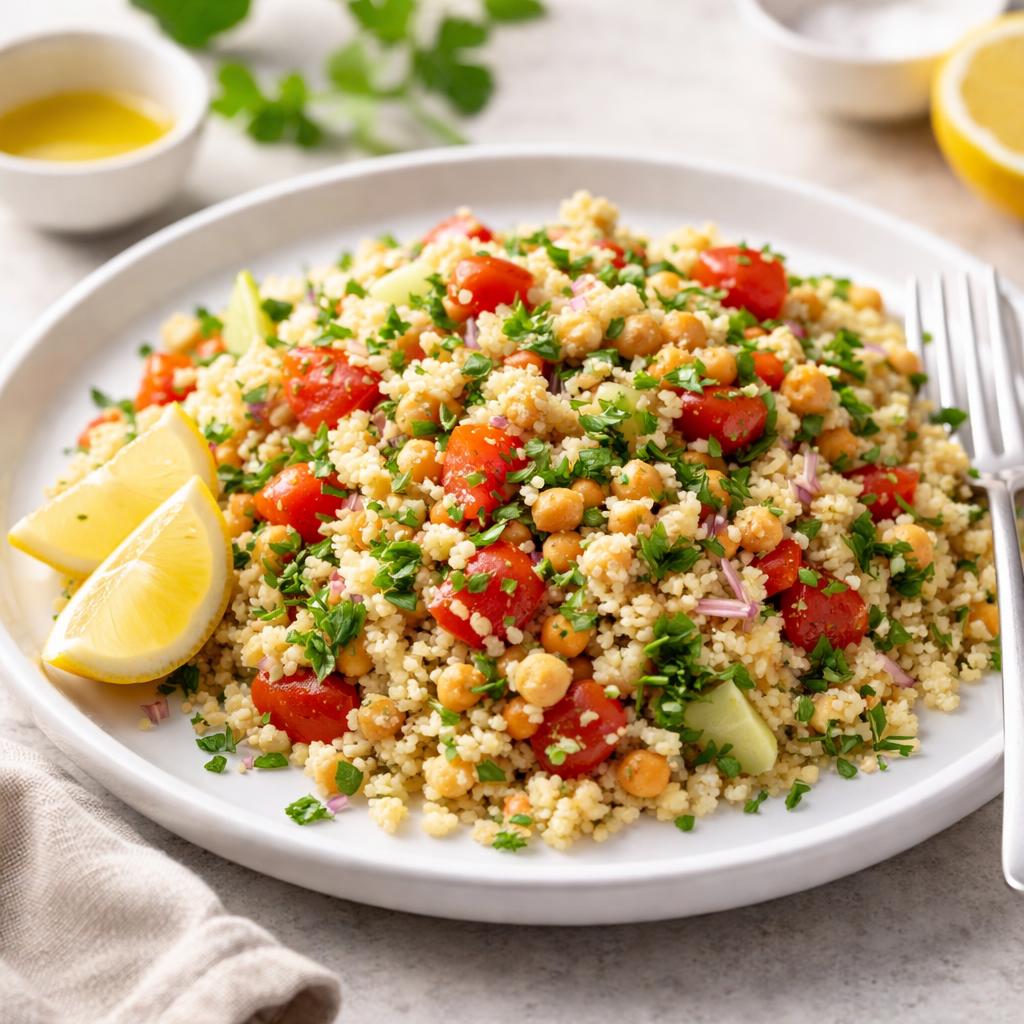
Couscous
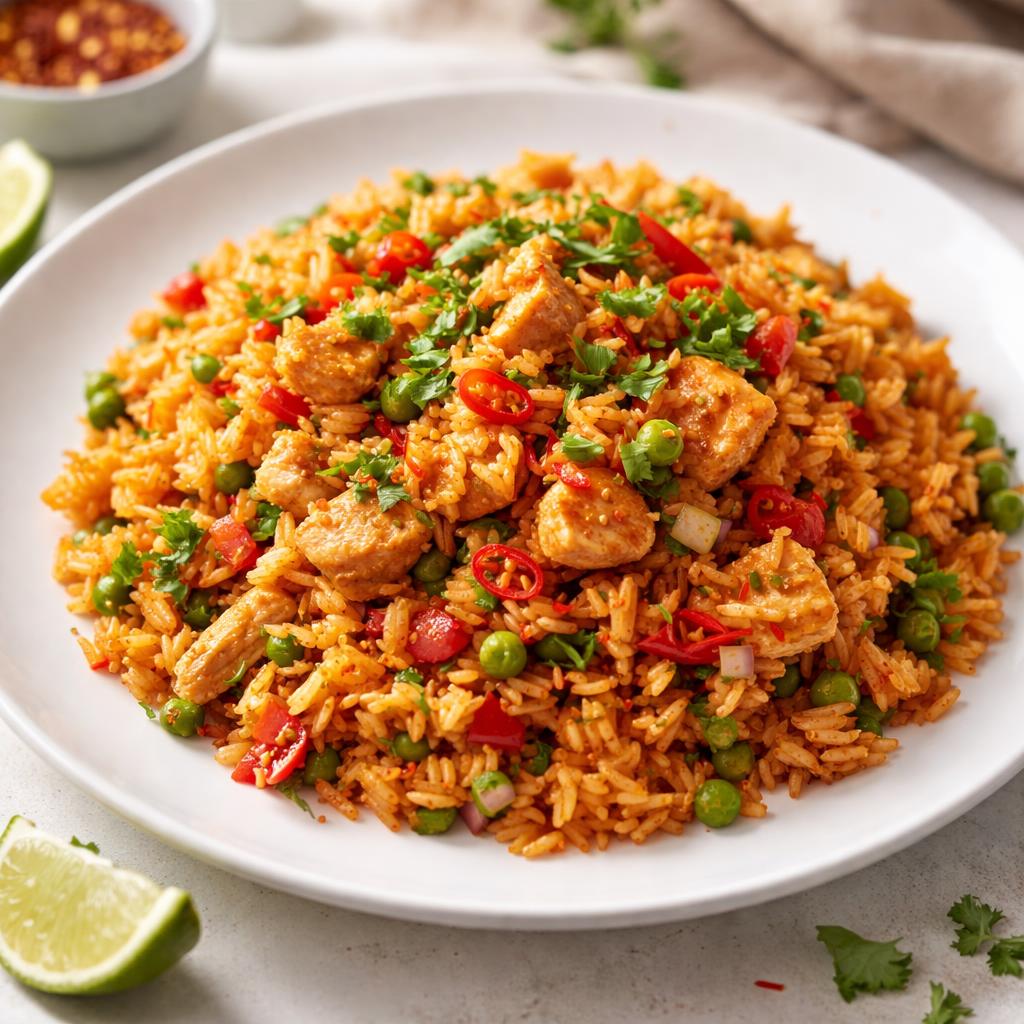
Spicy Rice
🎯 Quick Verdict
Couscous and spicy rice are both popular carbohydrate-based side dishes, but couscous offers fewer calories and slightly more protein per serving, making it suitable for weight management. Spicy rice, on the other hand, is higher in fiber and richer in flavor, which may be better for digestion and a more satisfying meal. Choose couscous for simplicity and calorie-conscious meals; opt for spicy rice for added nutrients and a more robust flavor profile.

Smart Nutrition Tracking with SnapCalorie

📊 Nutritional Comparison
Macronutrients
| Nutrient | Food 1 | Food 2 | Winner |
|---|---|---|---|
| Calories | 176 | 210 | ✓ |
| Protein | 6g | 6g | − |
| Carbs | 36g | 40g | ✓ |
| Fat | 0.4g | 3g | ✓ |
| Fiber | 2g | 3.5g | ✓ |
Vitamins & Minerals
| Nutrient | Food 1 | Food 2 | Winner |
|---|---|---|---|
| Vitamin B6 | 0.05mg | 0.1mg | ✓ |
| Magnesium | 8mg | 14mg | ✓ |
| Iron | 0.3mg | 0.5mg | ✓ |
🏆 Category Winners
Protein
Both foods contain 6g protein per serving.
Fiber
Spicy rice offers 75% more fiber per serving, supporting digestion.
Calories
Couscous has 16% fewer calories, ideal for calorie-conscious diets.
Vitamins
Spicy rice has higher levels of vitamin B6, magnesium, and iron.
🥗 Diet Compatibility
Keto
Food 1: Not Compatible
Food 2: Not Compatible
Both are high-carb foods that do not fit keto guidelines.
Vegan
Food 1: Compatible
Food 2: Compatible
Both foods are plant-based and 100% vegan.
Gluten Free
Food 1: Not Compatible
Food 2: Compatible
Spicy rice is naturally gluten-free, but couscous contains gluten as it is derived from wheat.
Paleo
Food 1: Not Compatible
Food 2: Compatible
Spicy rice fits the paleo diet, while couscous does not due to its processing.
Low Carb
Food 1: Not Compatible
Food 2: Not Compatible
Both foods contain 30g+ carbs per serving, exceeding low-carb thresholds.
💪 Health Benefits Comparison
Food 1 Benefits
- Lower in calories to support weight management
- Source of a moderate amount of protein for muscle repair
- Quick and easy to prepare, making it a convenient option
Food 2 Benefits
- Higher fiber content promotes better digestion
- Rich in magnesium and iron for bone health and energy production
- Offers bold flavors that enhance meal satisfaction
✅ The Bottom Line
Choose couscous when seeking a lower-calorie, high-protein meal accompaniment that’s quick to prepare. Opt for spicy rice if you desire a flavorful dish with higher levels of fiber, vitamins, and minerals to support overall nutrient intake.
Choose Food 1 for: Weight management, quick meals, simple side dishes
Choose Food 2 for: Digestive health, flavorful meals, nutrient-dense diets


