Couscous VS Rye Crispbread
A detailed nutritional comparison
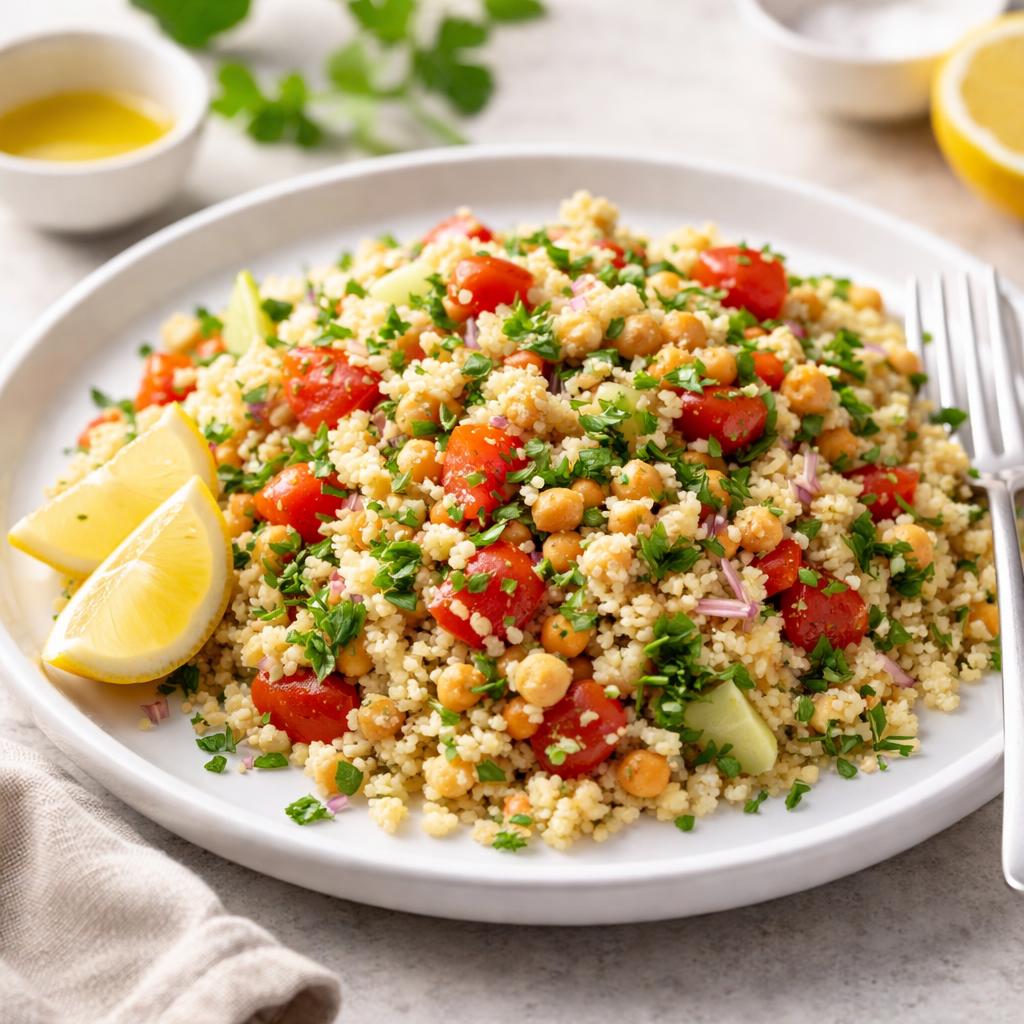
Couscous
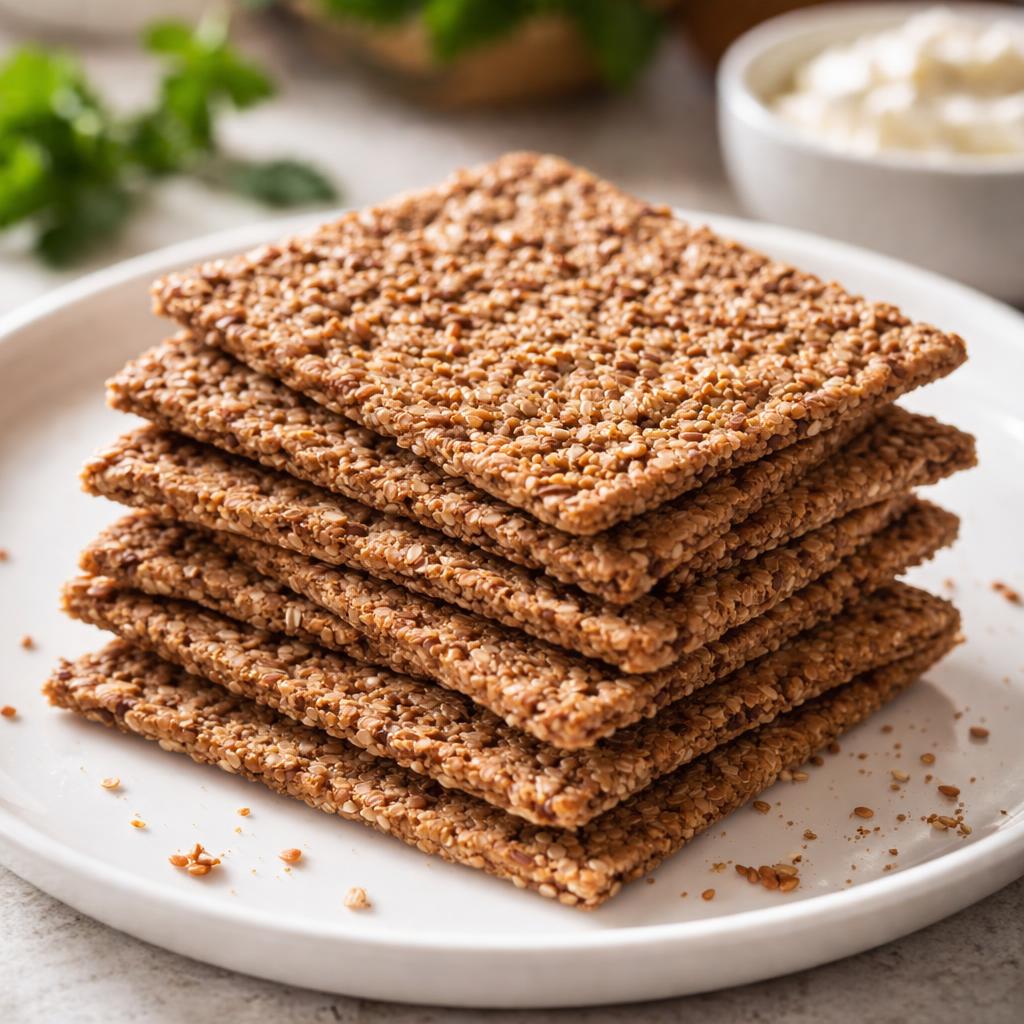
Rye Crispbread
🎯 Quick Verdict
Couscous is higher in protein and offers a small amount of micronutrients such as selenium and magnesium, making it ideal for muscle maintenance or post-workout meals. Rye crispbread stands out with significantly higher fiber content, fewer calories, and is great for digestive health or snacks that control appetite. Both are versatile but serve different dietary goals.

Smart Nutrition Tracking with SnapCalorie

📊 Nutritional Comparison
Macronutrients
| Nutrient | Food 1 | Food 2 | Winner |
|---|---|---|---|
| Calories | 176 (cooked, 1 cup) | 35 (1 slice) | ✓ |
| Protein | 6g | 1g | ✓ |
| Carbs | 36g | 8g | ✓ |
| Fat | 0.3g | 0.2g | − |
| Fiber | 2g | 2.5g | ✓ |
Vitamins & Minerals
| Nutrient | Food 1 | Food 2 | Winner |
|---|---|---|---|
| Vitamin B3 (Niacin) | 1.0mg | 0.6mg | ✓ |
| Selenium | 27mcg | 10mcg | ✓ |
| Iron | 1.1mg | 0.3mg | ✓ |
🏆 Category Winners
Protein
Couscous contains 6g of protein per serving versus 1g in rye crispbread.
Fiber
Rye crispbread provides 25% more fiber per serving, supporting digestive health.
Calories
Rye crispbread is significantly lower in calories (35 calories vs. 176 calories per typical serving).
🥗 Diet Compatibility
Keto
Food 1: Not Compatible
Food 2: Not Compatible
Both are high-carb foods by keto standards.
Vegan
Food 1: Compatible
Food 2: Compatible
Both are plant-based.
Gluten Free
Food 1: Not Compatible
Food 2: Not Compatible
Both contain gluten.
Paleo
Food 1: Not Compatible
Food 2: Not Compatible
Both are processed grains, which are excluded from paleo diets.
Low Carb
Food 1: Not Compatible
Food 2: Compatible
Rye crispbread is lower in carbs (8g) than couscous (36g per serving).
💪 Health Benefits Comparison
Food 1 Benefits
- Provides selenium for thyroid health and antioxidant support
- Rich in carbohydrates for quick energy replenishment
- Contains small amounts of magnesium for muscle function
Food 2 Benefits
- High in fiber for improved digestion and satiety
- Low in calories, aiding weight management
- Contains lignans, which are beneficial for heart health
✅ The Bottom Line
Choose couscous if you need a quick source of protein and energy, especially if you're seeking a post-workout meal or hearty side dish. Opt for rye crispbread if you're focused on weight loss, better digestion, or a lower-calorie snack option. Both are versatile foods but serve different dietary needs.
Choose Food 1 for: Post-workout, energy replenishment, side dishes
Choose Food 2 for: Weight management, gut health, light snacks


