Couscous VS Rice With Lentils
A detailed nutritional comparison
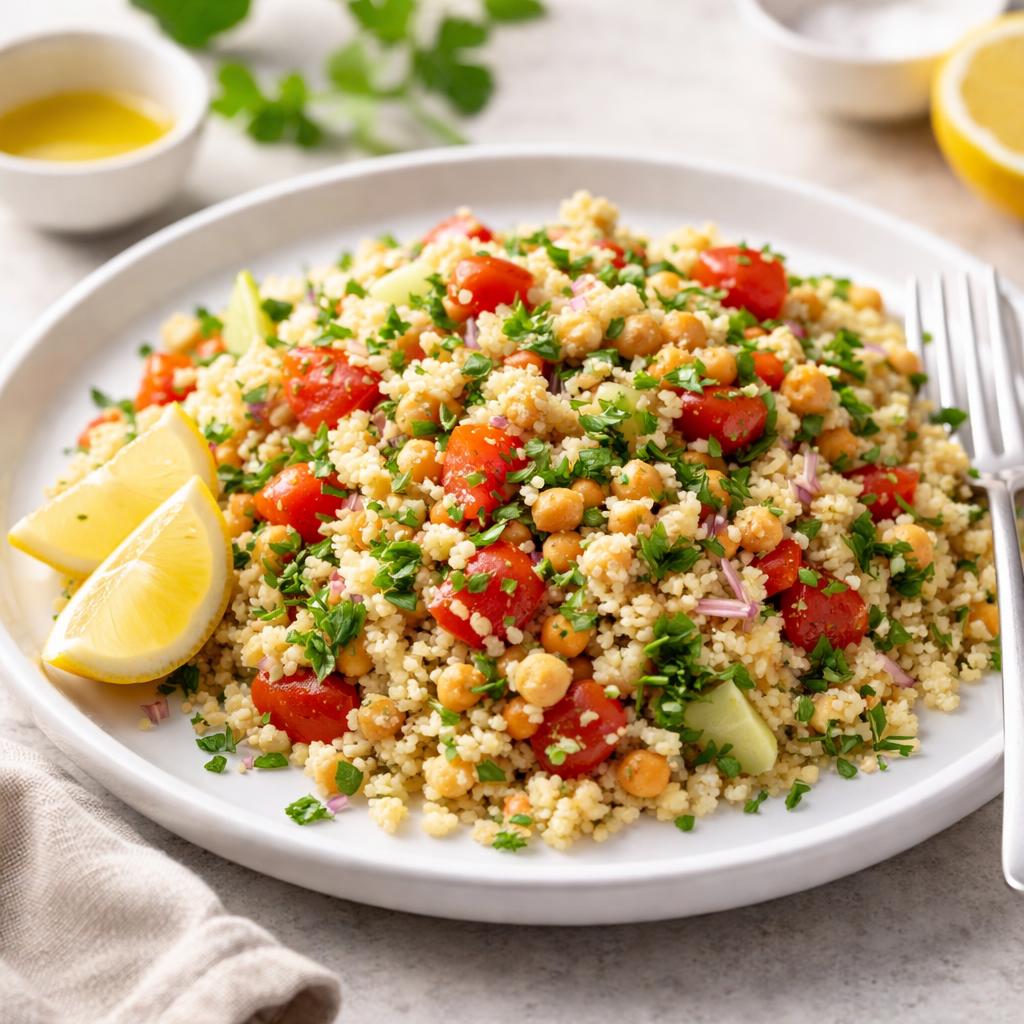
Couscous
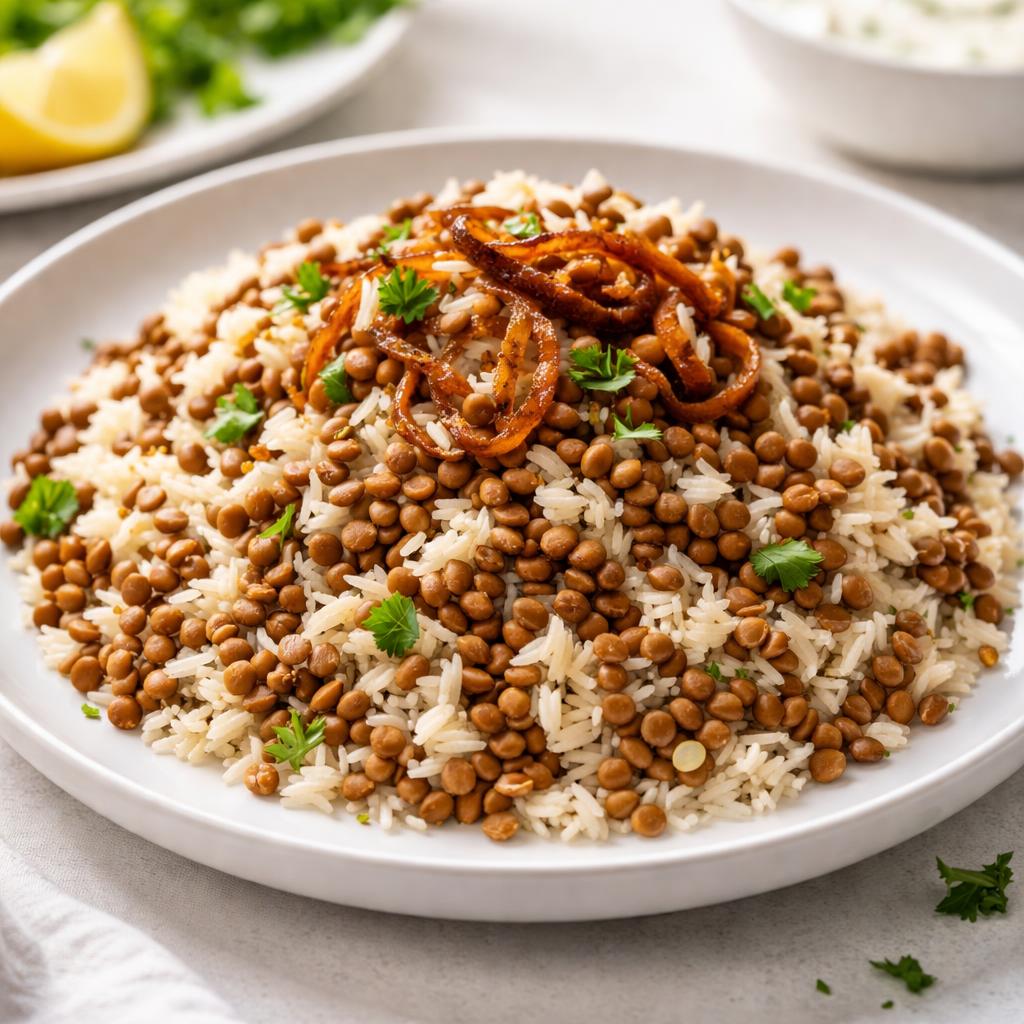
Rice With Lentils
🎯 Quick Verdict
Rice with lentils is more nutritionally dense, offering higher protein, fiber, and more minerals, making it ideal for heart health and sustained energy. Couscous has fewer calories and carbohydrates, making it lighter and better for weight management or quick-cooking meals.

Smart Nutrition Tracking with SnapCalorie

📊 Nutritional Comparison
Macronutrients
| Nutrient | Food 1 | Food 2 | Winner |
|---|---|---|---|
| Calories | 150 per 1 cup | 150 per 1 cup | − |
| Protein | 6g | 10g | ✓ |
| Carbs | 30g | 35g | ✓ |
| Fat | 0.2g | 1g | ✓ |
| Fiber | 2g | 5g | ✓ |
Vitamins & Minerals
| Nutrient | Food 1 | Food 2 | Winner |
|---|---|---|---|
| Vitamin B6 | 0.08mg | 0.2mg | ✓ |
| Folate | 24mcg | 180mcg | ✓ |
| Iron | 0.6mg | 2.5mg | ✓ |
| Magnesium | 8mg | 36mg | ✓ |
🏆 Category Winners
Protein
Rice with lentils has over 65% more protein per serving.
Fiber
Rice with lentils provides 150% more fiber per serving.
Calories
Both foods contain approximately 150 calories per serving.
Vitamins
Rice with lentils offers substantially more folate, iron, and magnesium essential for energy and red blood cell development.
🥗 Diet Compatibility
Keto
Food 1: Not Compatible
Food 2: Not Compatible
Both are high in carbohydrates.
Vegan
Food 1: Compatible
Food 2: Compatible
Both are plant-based foods.
Gluten Free
Food 1: Not Compatible
Food 2: Compatible
Couscous is made from wheat and contains gluten. Rice and lentils are naturally gluten-free.
Paleo
Food 1: Not Compatible
Food 2: Not Compatible
Neither food fits paleo guidelines due to grain and legume content.
Low-Carb
Food 1: Not Compatible
Food 2: Not Compatible
Both foods are relatively high in carbohydrates per serving.
💪 Health Benefits Comparison
Food 1 Benefits
- Quick and easy to prepare for meals
- Low in fat, making it ideal for lighter meals
- Provides essential selenium for antioxidant benefits
Food 2 Benefits
- High protein content supports muscle repair and maintenance
- Rich in fiber for improved digestion and satiety
- Excellent source of folate and iron for energy and blood health
✅ The Bottom Line
Rice with lentils is ideal for higher nutritional density, offering more protein, fiber, and essential vitamins. Couscous is better when you need a lower-calorie, quick-cooking option or lighter side dish.
Choose Food 1 for: Quick meals, calorie-conscious diets, light side dishes
Choose Food 2 for: Balanced meals, high-protein diets, heart health


