Couscous VS Rice Pilaf
A detailed nutritional comparison
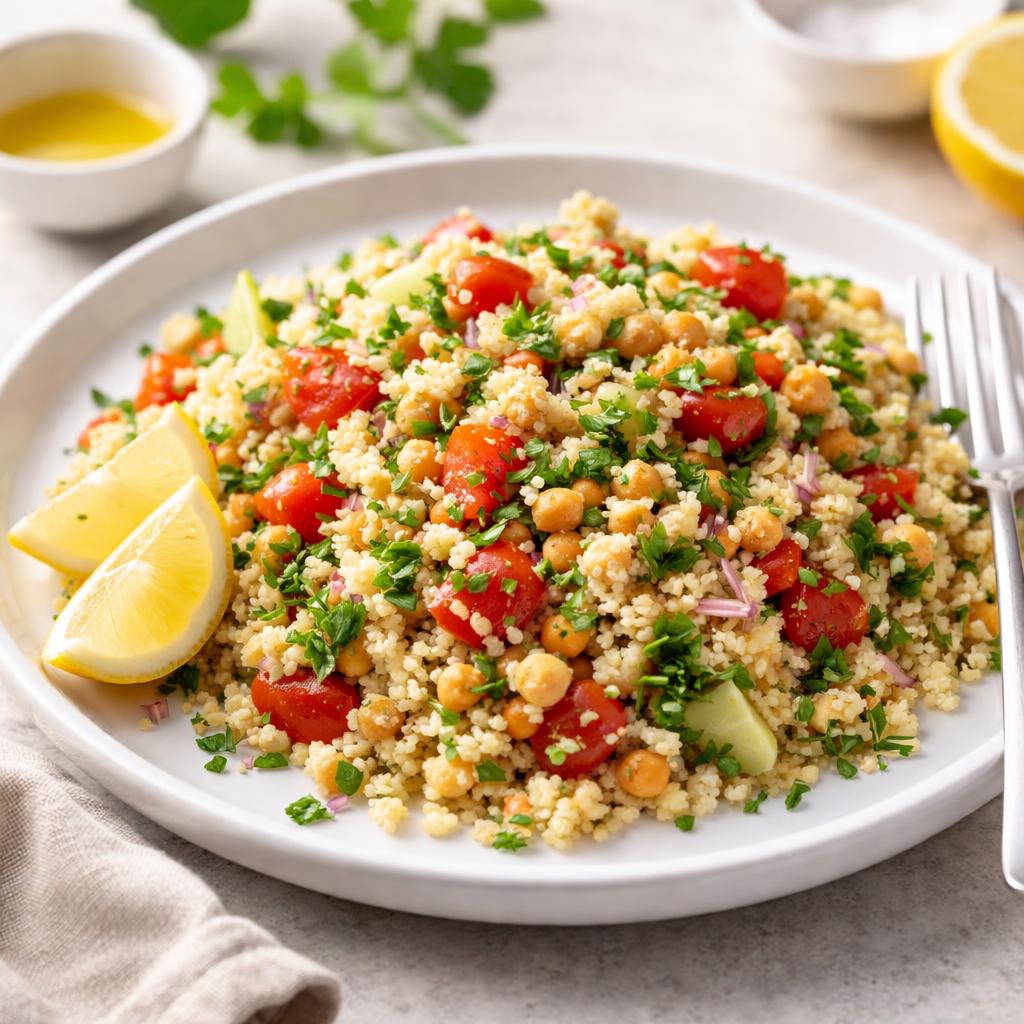
Couscous
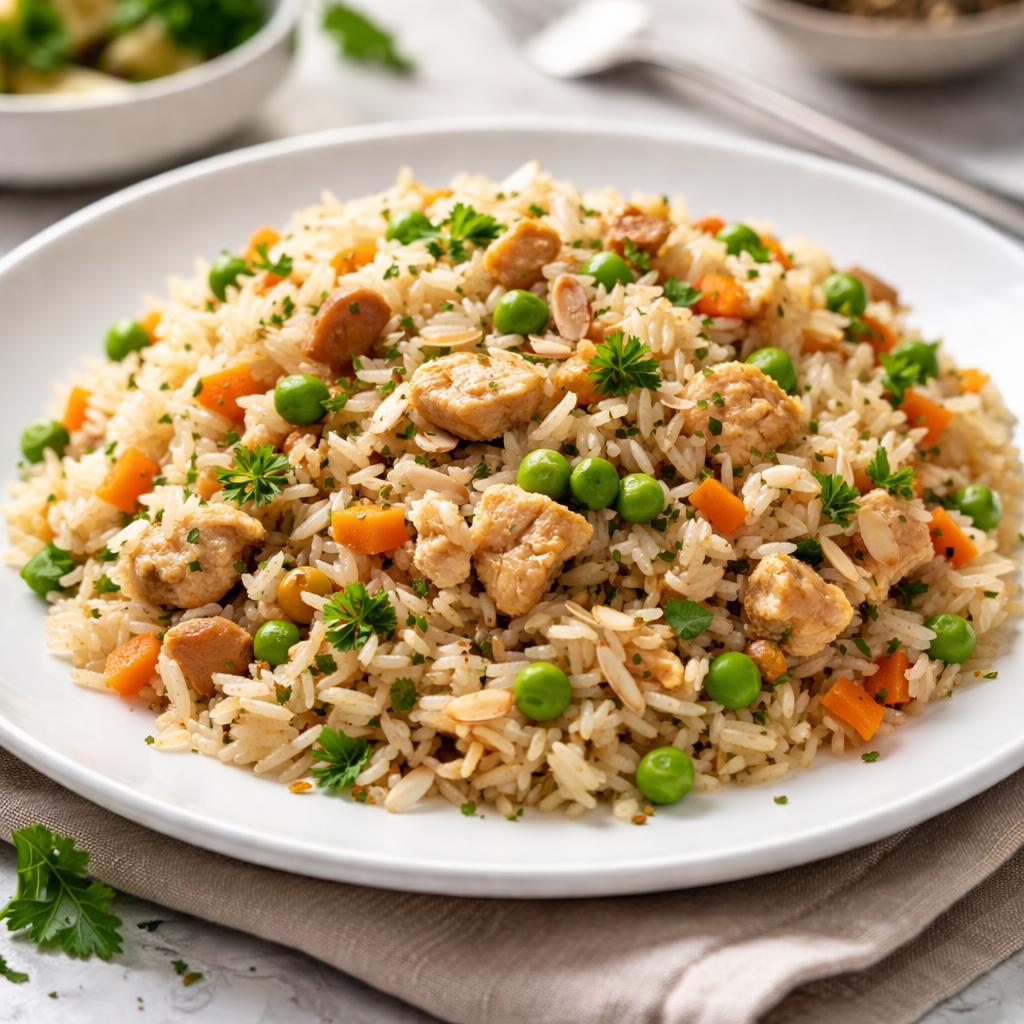
Rice Pilaf
🎯 Quick Verdict
Couscous generally offers lower calories and higher protein content, making it a better choice for weight loss and post-workout meals. Rice pilaf, however, wins in fiber and often provides a richer source of minerals and antioxidants, making it a good option for sustained energy and overall nutrient density.

Smart Nutrition Tracking with SnapCalorie
📊 Nutritional Comparison
Macronutrients
| Nutrient | Food 1 | Food 2 | Winner |
|---|---|---|---|
| Calories | 176 per cup | 220 per cup | ✓ |
| Protein | 6g per cup | 4g per cup | ✓ |
| Carbs | 36g per cup | 45g per cup | ✓ |
| Fat | 0.3g per cup | 6g per cup (due to added oil/butter) | ✓ |
| Fiber | 2g per cup | 3g per cup | ✓ |
Vitamins & Minerals
| Nutrient | Food 1 | Food 2 | Winner |
|---|---|---|---|
| Vitamin B | 0.1mg (Thiamin) per cup | Varies; typically 0.2mg (Thiamin) per cup | ✓ |
| Iron | 0.6mg per cup | 1.5mg per cup | ✓ |
| Selenium | 27.5mcg per cup | Not significant | ✓ |
🏆 Category Winners
Protein
Couscous provides 50% more protein per serving compared to rice pilaf.
Fiber
Rice pilaf typically contains 50% more fiber due to longer-grain rice and added vegetables.
Calories
Couscous has approximately 20% fewer calories per serving.
🥗 Diet Compatibility
Keto
Food 1: Not Compatible
Food 2: Not Compatible
Both foods are high-carb and unsuitable for keto diets.
Vegan
Food 1: Compatible
Food 2: Compatible (depending on preparation)
Both can be vegan-friendly unless rice pilaf contains animal-based additives like chicken stock.
Gluten Free
Food 1: Not Compatible
Food 2: Compatible
Couscous, made from wheat, contains gluten, while rice pilaf is gluten-free as long as no gluten-containing ingredients are added.
Paleo
Food 1: Not Compatible
Food 2: Not Compatible
Both are grains and not permitted on the paleo diet.
Low-Carb
Food 1: Not Compatible
Food 2: Not Compatible
Both are high in carbohydrates and not recommended for low-carb diets.
💪 Health Benefits Comparison
Food 1 Benefits
- Lower calorie option for weight management
- Good source of selenium for antioxidant protection
- Provides protein for muscle repair and growth
Food 2 Benefits
- Higher in fiber for digestion and gut health
- Rich in iron to support oxygen transport in the blood
- Source of complex carbohydrates for sustained energy
✅ The Bottom Line
Couscous is ideal for weight-conscious individuals or those seeking higher protein content, particularly for post-workout meals. Rice pilaf is better suited for those seeking a fiber boost and mineral-rich sides for overall nutrient density.
Choose Food 1 for: Weight loss, high-protein diets, quick meals
Choose Food 2 for: Heart health, sustained energy for active lifestyles, nutrient-dense side dishes