Couscous VS Pearl Barley
A detailed nutritional comparison
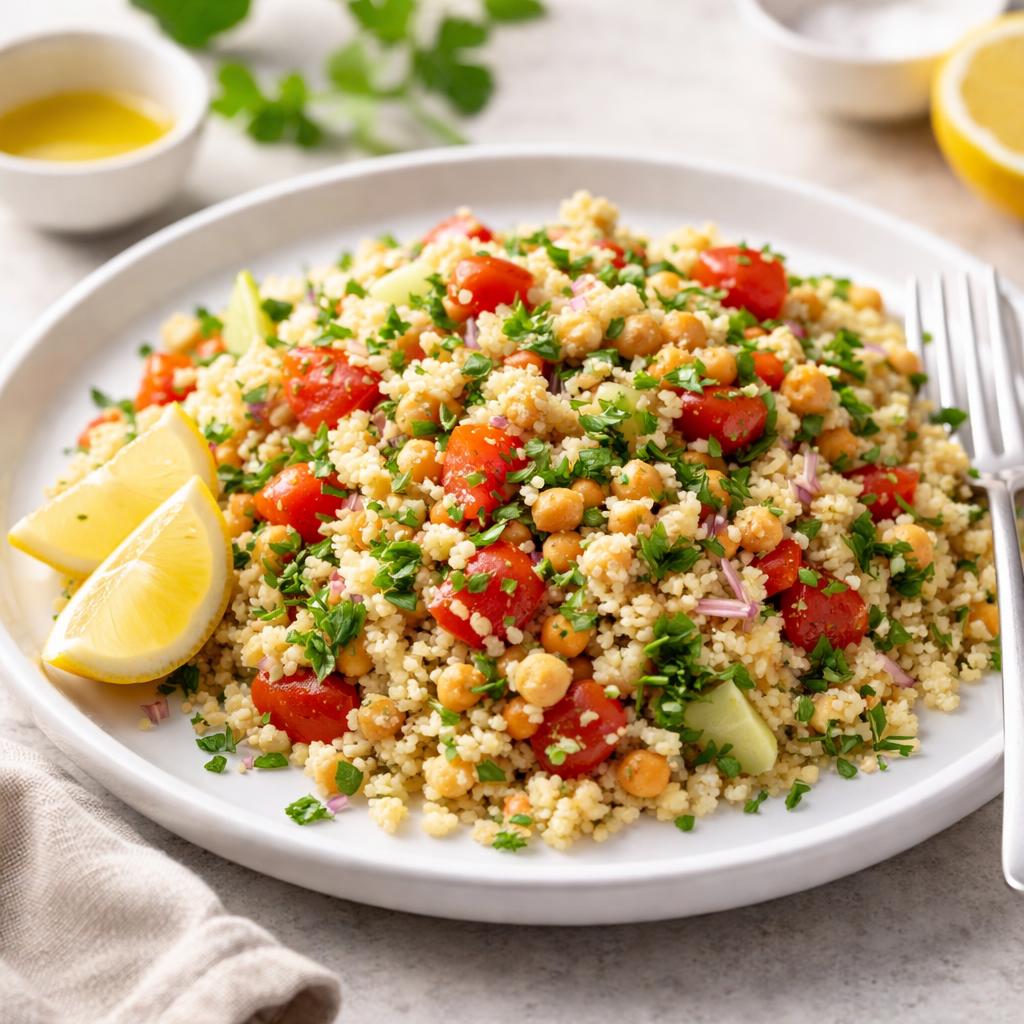
Couscous
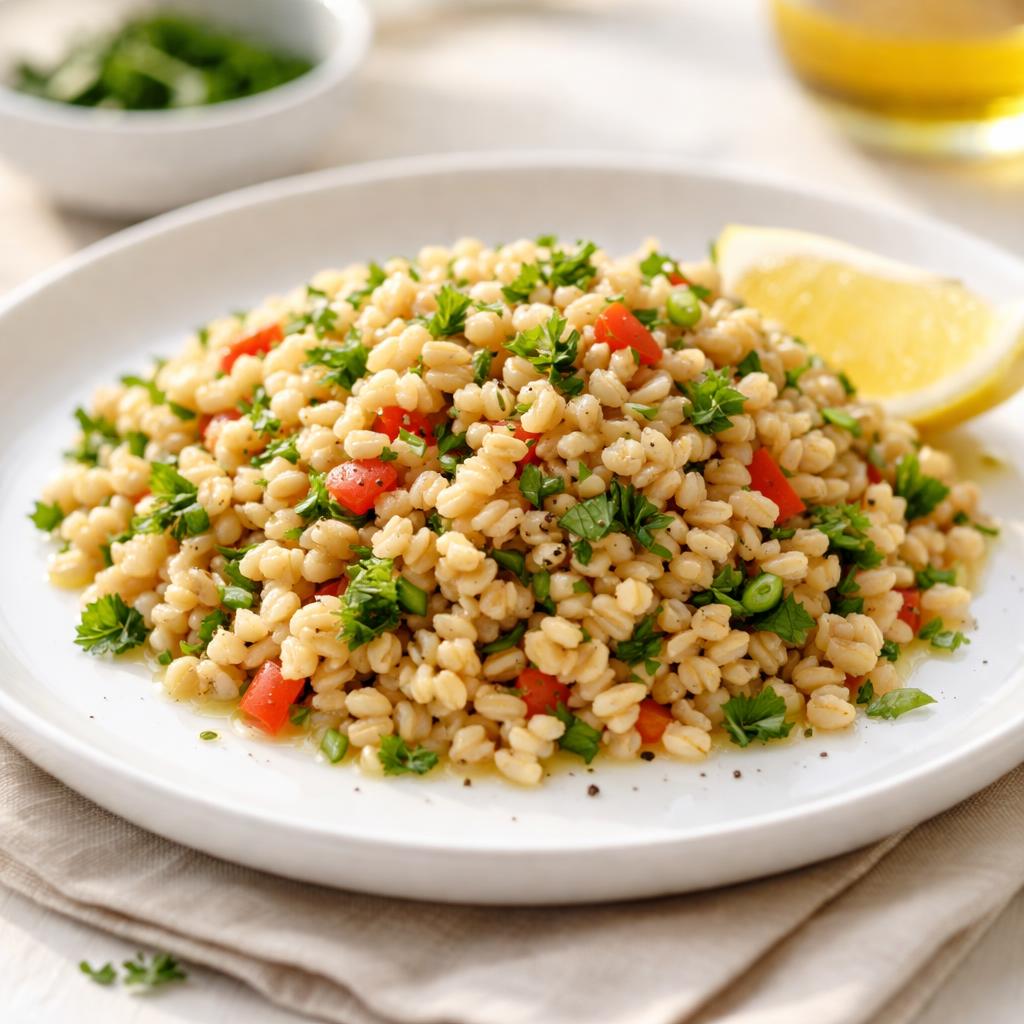
Pearl Barley
🎯 Quick Verdict
Pearl barley outshines couscous in both protein and fiber content, making it a more nutrient-dense choice for sustained energy and improved digestion. Couscous, however, is lower in calories and quicker to cook, suiting weight-conscious and time-efficient meals. If you're prioritizing satiety and nutrient density, pearl barley is the better option, while couscous fits lighter dietary needs.

Smart Nutrition Tracking with SnapCalorie

📊 Nutritional Comparison
Macronutrients
| Nutrient | Food 1 | Food 2 | Winner |
|---|---|---|---|
| Calories | 112 | 123 | ✓ |
| Protein | 3.8g | 4.5g | ✓ |
| Carbs | 23.2g | 28.2g | ✓ |
| Fat | 0.2g | 0.4g | ✓ |
| Fiber | 1.2g | 3.8g | ✓ |
Vitamins & Minerals
| Nutrient | Food 1 | Food 2 | Winner |
|---|---|---|---|
| Vitamin B3 (Niacin) | 0.5mg | 2.0mg | ✓ |
| Iron | 0.5mg | 2.5mg | ✓ |
| Magnesium | 6mg | 33mg | ✓ |
🏆 Category Winners
Protein
Food2 provides 18% more protein per serving than food1.
Fiber
Pearl barley contains three times the fiber found in couscous.
Calories
Couscous has 9% fewer calories per serving, making it a lighter option.
Vitamins
Pearl barley is significantly richer in B vitamins, iron, and magnesium.
🥗 Diet Compatibility
Keto
Food 1: Not Compatible
Food 2: Not Compatible
Both foods are high-carb grains unsuitable for keto diets.
Vegan
Food 1: Compatible
Food 2: Compatible
Both are plant-based and permissible in vegan diets.
Gluten Free
Food 1: Not Compatible
Food 2: Not Compatible
Both foods contain gluten and are not suitable for gluten-free diets.
Paleo
Food 1: Not Compatible
Food 2: Not Compatible
Neither food fits paleo guidelines as they are grains.
Low Carb
Food 1: Not Compatible
Food 2: Not Compatible
Both foods are relatively high in carbohydrates.
💪 Health Benefits Comparison
Food 1 Benefits
- Low in calories, aiding in weight management
- Quick-cooking for time-efficient meals
- Good source of selenium, supporting thyroid health
Food 2 Benefits
- High in fiber, promoting better digestion and cholesterol regulation
- Rich in B vitamins, supporting energy metabolism
- Provides magnesium for bone and muscle health
✅ The Bottom Line
Choose couscous if you prioritize a lighter, lower-calorie option that’s quick to prepare and pairs well with various dishes. Opt for pearl barley if you need more protein, fiber, and minerals for satiety and long-term health benefits.
Choose Food 1 for: Low-calorie meals, quick preparation, versatile recipes
Choose Food 2 for: High fiber diets, energy and nutrient density, sustained satiety


