Couscous VS Pasta With Pesto Sauce
A detailed nutritional comparison
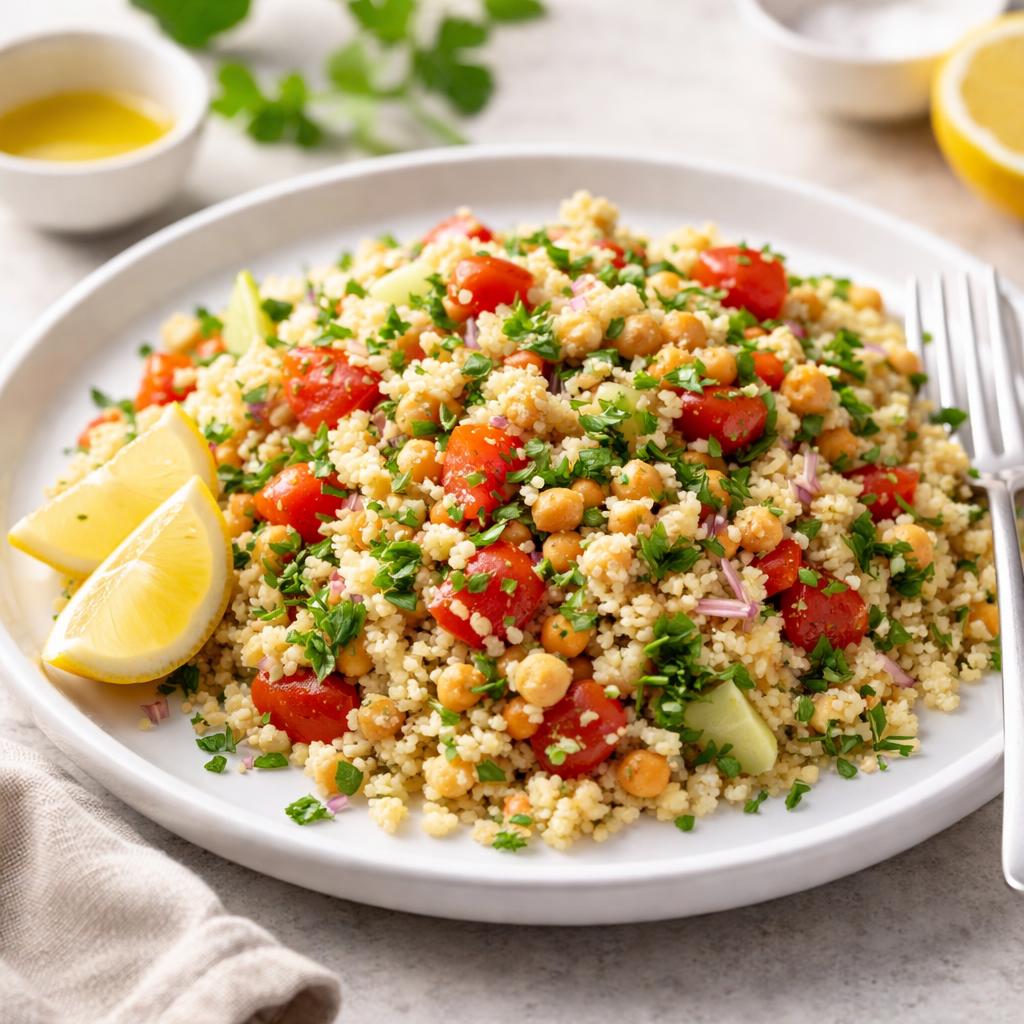
Couscous
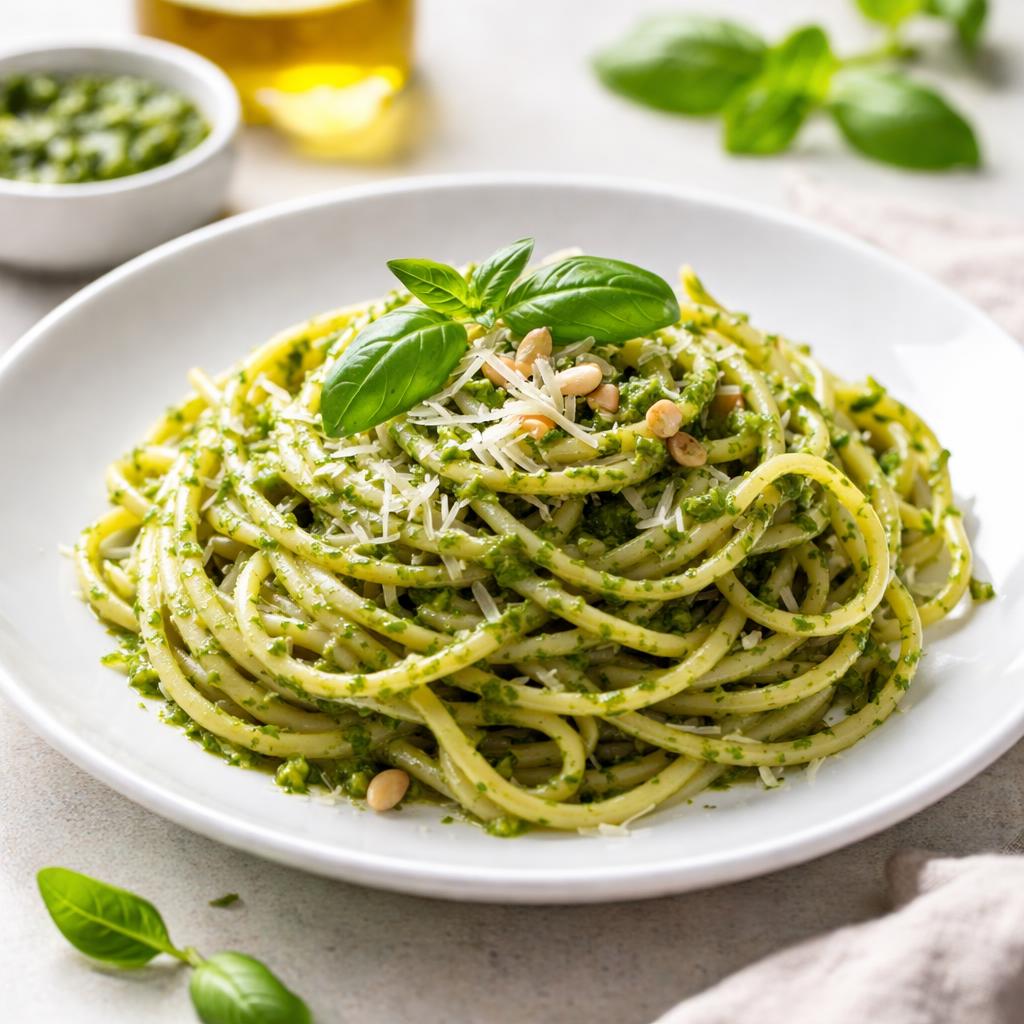
Pasta With Pesto Sauce
🎯 Quick Verdict
Couscous boasts lower calories and a higher protein content, making it ideal for lighter meals or post-workout nutrition. Pasta with pesto sauce is fattier but provides more fiber and heart-healthy fats, making it suitable for those seeking more sustained energy. Both options are versatile additions to a balanced diet but differ in nutrient density and ideal use cases.

Smart Nutrition Tracking with SnapCalorie

📊 Nutritional Comparison
Macronutrients
| Nutrient | Food 1 | Food 2 | Winner |
|---|---|---|---|
| Calories | 112 per 100g | 372 per 100g | ✓ |
| Protein | 3.8g per 100g | 7g per 100g (with pesto) | ✓ |
| Carbs | 23g per 100g | 45g per 100g | ✓ |
| Fat | 0.2g per 100g | 13g per 100g (with pesto) | ✓ |
| Fiber | 1.4g per 100g | 3g per 100g | ✓ |
Vitamins & Minerals
| Nutrient | Food 1 | Food 2 | Winner |
|---|---|---|---|
| Vitamin D | 0mcg | 0mcg | − |
| Calcium | 8mg per 100g | 59mg per 100g | ✓ |
| Iron | 0.38mg per 100g | 1.3mg per 100g | ✓ |
🏆 Category Winners
Protein
Couscous has a slightly higher protein density per serving compared to pasta with pesto.
Fiber
Fiber content is double in pasta with pesto, aiding digestion and promoting satiety.
Calories
Couscous has significantly fewer calories per serving, suitable for calorie-controlled diets.
Vitamins
Pasta with pesto sauce delivers notably more calcium and iron for bone and blood health.
🥗 Diet Compatibility
Keto
Food 1: Not Compatible
Food 2: Not Compatible
Both are high in carbohydrates, thus not suitable for keto.
Vegan
Food 1: Compatible
Food 2: Depends (vegan pesto required)
Couscous is naturally vegan, but pesto often contains cheese.
Gluten Free
Food 1: Not Compatible
Food 2: Not Compatible
Couscous and traditional pasta contain gluten.
Paleo
Food 1: Not Compatible
Food 2: Not Compatible
Both foods are processed grains not allowed on paleo diets.
Low-Carb
Food 1: Not Compatible
Food 2: Not Compatible
Neither food qualifies as low carb due to high carbohydrate content.
💪 Health Benefits Comparison
Food 1 Benefits
- Low in fat, ideal for weight management.
- Good source of plant-based protein for muscle maintenance.
- Provides selenium, a mineral essential for antioxidant function.
Food 2 Benefits
- High in dietary fiber for digestive health and satiety.
- Rich in heart-healthy fats (from pesto), supporting cardiovascular health.
- Provides essential minerals like calcium and iron for strong bones and red blood cell production.
✅ The Bottom Line
Both couscous and pasta with pesto offer unique benefits. Couscous is better for lighter, protein-forward meals and calorie-sensitive diets, while pasta with pesto is richer in fats and fiber, lending itself to more satisfying, energy-dense meals. Choose based on your dietary goals or flavor preferences.
Choose Food 1 for: Weight management, post-workout protein boost, quick light meals.
Choose Food 2 for: Sustained energy, nutrient density, heart health-focused diets.


