Couscous VS Cooked Quinoa
A detailed nutritional comparison
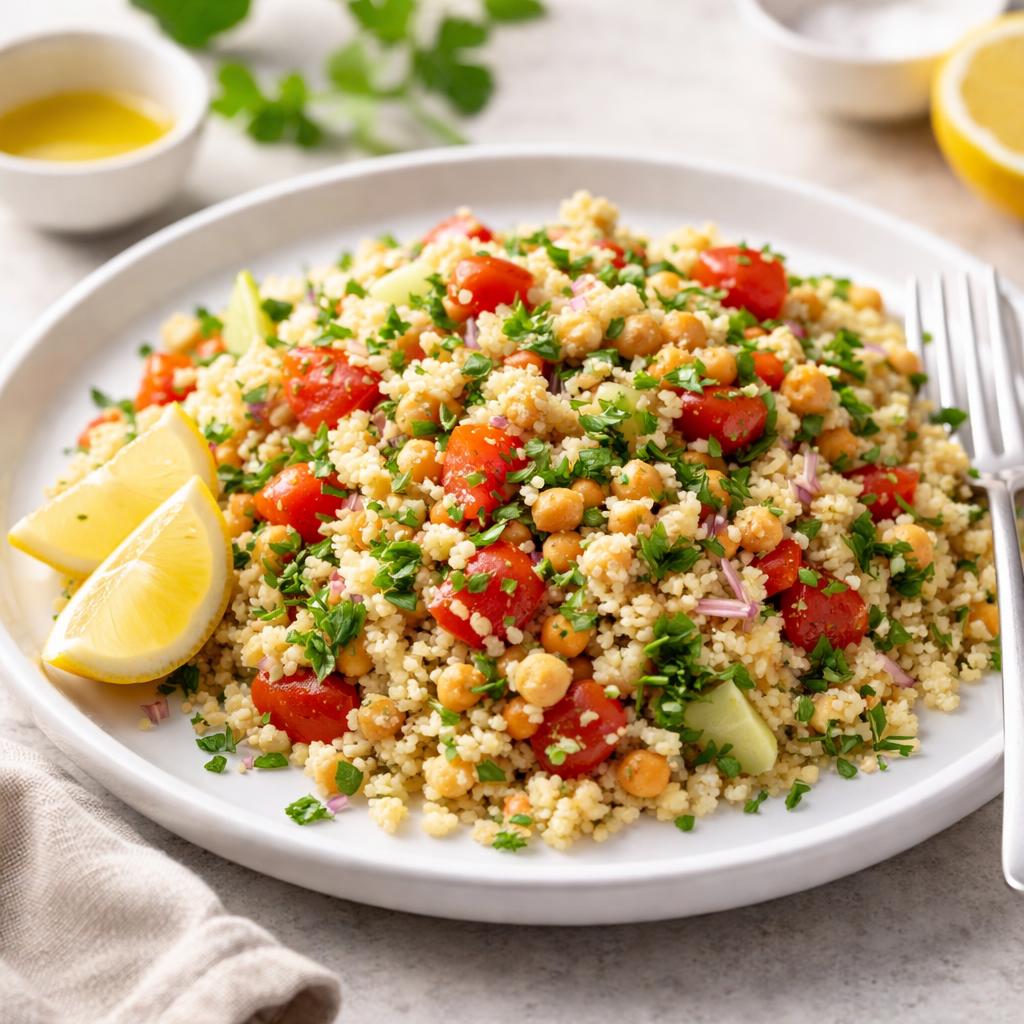
Couscous
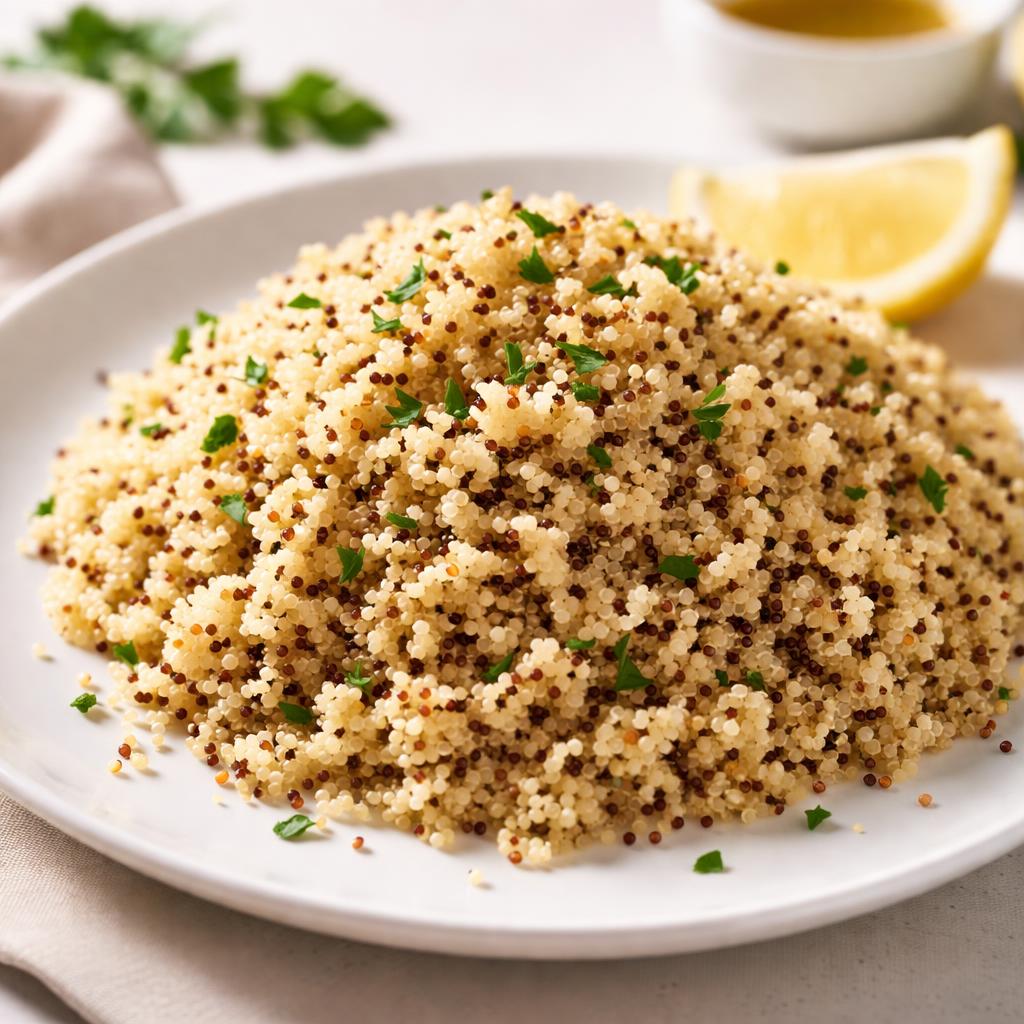
Cooked Quinoa
🎯 Quick Verdict
Cooked quinoa is nutritionally superior to couscous, offering more protein, fiber, and essential vitamins and minerals. Couscous has fewer calories but is lower in nutrients overall. Couscous is better for calorie-controlled diets, while quinoa is the better choice for balanced nutrition and energy support.

Smart Nutrition Tracking with SnapCalorie

📊 Nutritional Comparison
Macronutrients
| Nutrient | Food 1 | Food 2 | Winner |
|---|---|---|---|
| Calories | 176 | 120 | ✓ |
| Protein | 5.95g | 4.4g | ✓ |
| Carbs | 36.0g | 21.3g | ✓ |
| Fat | 0.3g | 1.92g | ✓ |
| Fiber | 1.2g | 2.8g | ✓ |
Vitamins & Minerals
| Nutrient | Food 1 | Food 2 | Winner |
|---|---|---|---|
| Vitamin B6 | 0.11mg | 0.13mg | ✓ |
| Iron | 0.38mg | 1.49mg | ✓ |
| Magnesium | 8mg | 64mg | ✓ |
| Potassium | 58mg | 172mg | ✓ |
🏆 Category Winners
Protein
Food1 has slightly higher protein per serving, useful for muscle-building goals.
Fiber
Food2 provides 133% more dietary fiber, which supports digestion and satiety.
Calories
Food1 is lower-calorie per serving, making it better for weight management.
Vitamins
Food2 is richer in key vitamins and minerals like iron, magnesium, and potassium.
🥗 Diet Compatibility
Keto
Food 1: Not Compatible
Food 2: Not Compatible
Both are high-carbohydrate foods.
Vegan
Food 1: Compatible
Food 2: Compatible
Both are plant-based options.
Gluten Free
Food 1: Not Compatible
Food 2: Compatible
Quinoa is naturally gluten-free, while couscous contains gluten.
Paleo
Food 1: Not Compatible
Food 2: Compatible
Quinoa aligns with paleo principles; couscous is processed.
Low Carb
Food 1: Not Compatible
Food 2: Not Compatible
Both foods have high carbohydrate content.
💪 Health Benefits Comparison
Food 1 Benefits
- Lower in calories, suitable for weight control
- Fast to cook, ideal for quick meals
- Contains small amounts of selenium for antioxidant benefits
Food 2 Benefits
- Rich in fiber, supports digestion and heart health
- Provides essential minerals like magnesium and potassium for muscle and nerve function
- Complete protein source with all nine essential amino acids
✅ The Bottom Line
Quinoa is a more nutrient-dense option with higher fiber, essential amino acids, and minerals. It’s best for balanced and heart-healthy meals. Couscous is faster to cook and works well for calorie-controlled diets but is less nutrient-rich overall.
Choose Food 1 for: Weight loss, quick meal preparation, light meals
Choose Food 2 for: Balanced nutrition, heart health, energy support


