Couscous VS Boiled Rice
A detailed nutritional comparison
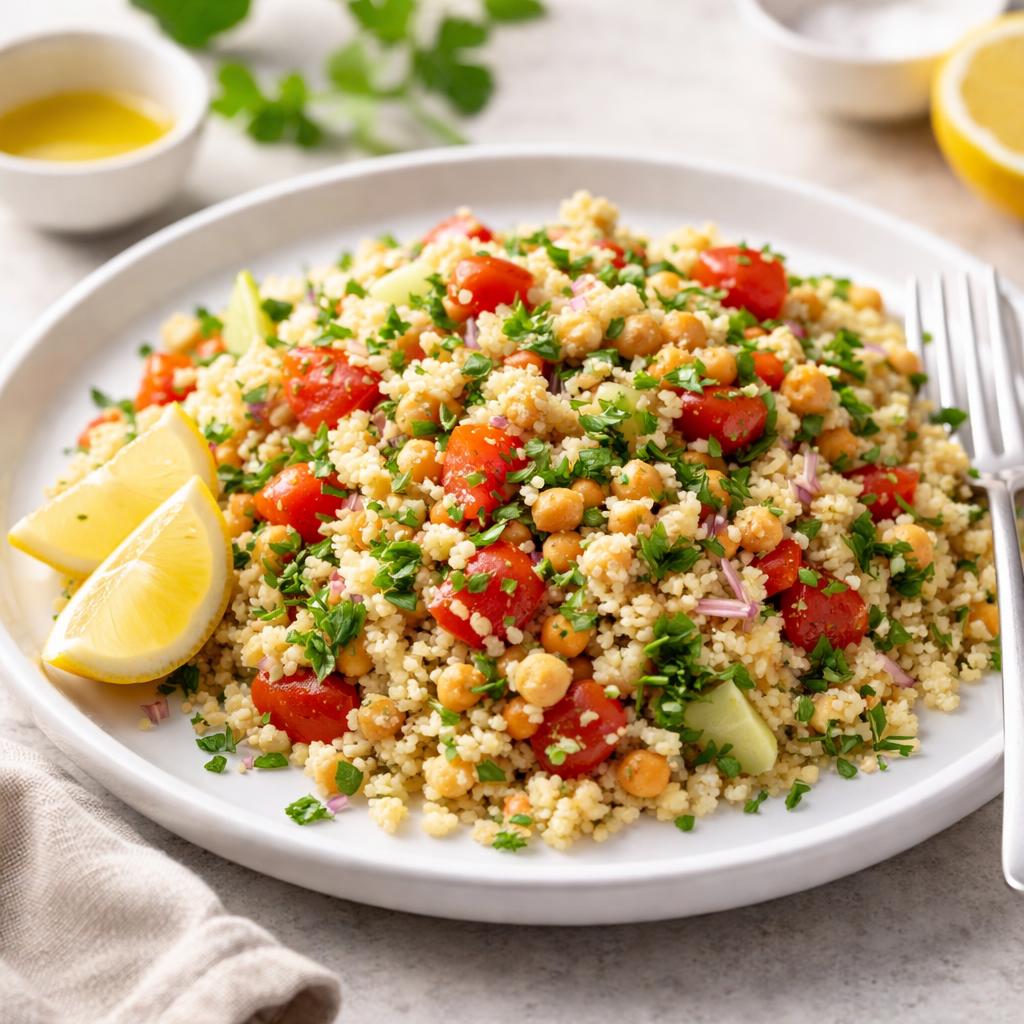
Couscous
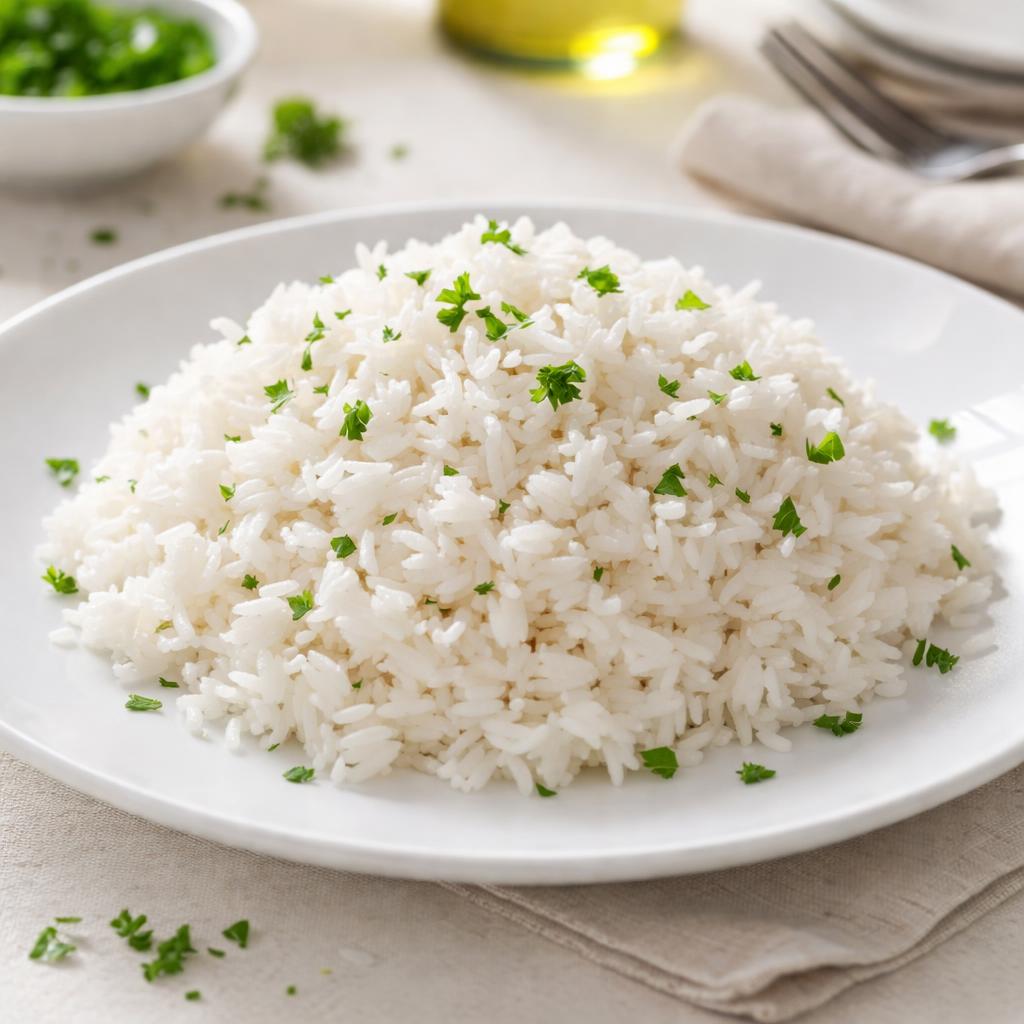
Boiled Rice
🎯 Quick Verdict
Couscous and boiled rice are both versatile carbohydrate options. Couscous edges out boiled rice in protein content (3.8g vs 2.7g per 100g) while both offer comparable fiber levels. Rice holds the advantage with fewer calories (130 kcal vs 112 kcal per 100g), making it a better choice for calorie-controlled diets. Couscous is great for higher protein and mineral intake, while boiled rice suits lighter meals and more energy-dense consumption needs.

Smart Nutrition Tracking with SnapCalorie

📊 Nutritional Comparison
Macronutrients
| Nutrient | Food 1 | Food 2 | Winner |
|---|---|---|---|
| Calories | 112 kcal per 100g | 130 kcal per 100g | ✓ |
| Protein | 3.8g | 2.7g | ✓ |
| Carbs | 23g | 28g | ✓ |
| Fat | 0.2g | 0.3g | − |
| Fiber | 1.4g | 1.4g | − |
Vitamins & Minerals
| Nutrient | Food 1 | Food 2 | Winner |
|---|---|---|---|
| Vitamin B6 | 0.05mg | 0.1mg | ✓ |
| Iron | 0.3mg | 0.2mg | ✓ |
| Magnesium | 8mg | 12mg | ✓ |
🏆 Category Winners
Protein
Couscous provides 41% more protein than boiled rice per serving.
Fiber
Both foods offer equal fiber content (1.4g per 100g).
Calories
Couscous contains 14% fewer calories than boiled rice.
🥗 Diet Compatibility
Keto
Food 1: Not Compatible
Food 2: Not Compatible
Both foods are high in carbohydrates.
Vegan
Food 1: Compatible
Food 2: Compatible
Both options are plant-based foods.
Gluten Free
Food 1: Not Compatible
Food 2: Compatible
Boiled rice is naturally gluten-free, whereas couscous contains gluten as it is made from wheat.
Paleo
Food 1: Not Compatible
Food 2: Compatible
Rice fits paleo diets, while couscous does not due to being a processed grain.
Low Carb
Food 1: Not Compatible
Food 2: Not Compatible
Both foods are high-carb and thus unsuitable for low-carb diets.
💪 Health Benefits Comparison
Food 1 Benefits
- Higher protein content supports tissue repair and maintenance.
- Provides selenium for antioxidant benefits.
- Light, quick, and easy to prepare for energy needs.
Food 2 Benefits
- Low in fat, suitable for heart health.
- Naturally gluten-free for individuals with gluten sensitivity.
- Rich source of energy from carbohydrates.
✅ The Bottom Line
Couscous is a better choice for those seeking higher protein or a quick-cooking grain with selenium benefits. Boiled rice is ideal for calorie-controlled diets, gluten-free needs, or energy-dense meals. Both are good sources of carbs, but rice offers slightly lower calories and is naturally gluten-free.
Choose Food 1 for: Quick meals, protein-rich diets, variety in texture.
Choose Food 2 for: Gluten-free diets, calorie control, light digestibility.


