Couscous VS Boiled Pasta
A detailed nutritional comparison
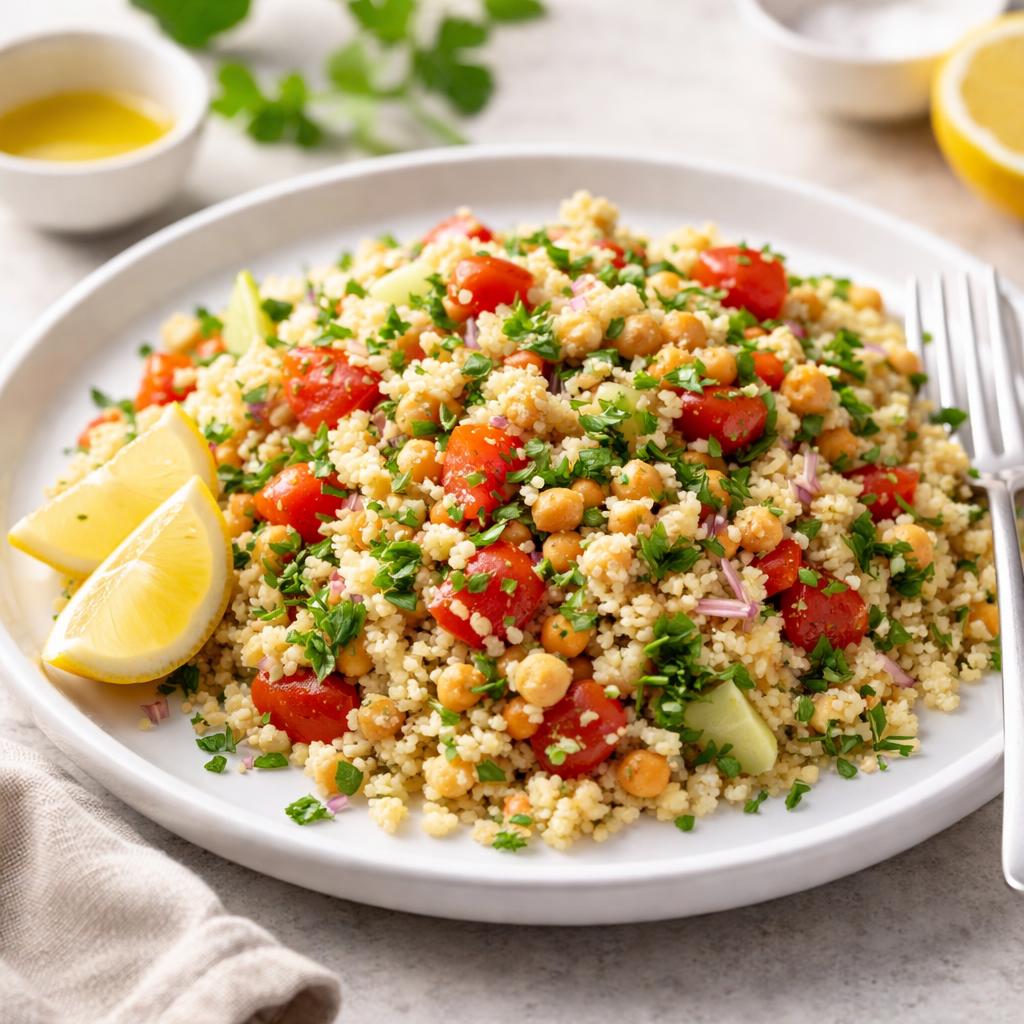
Couscous
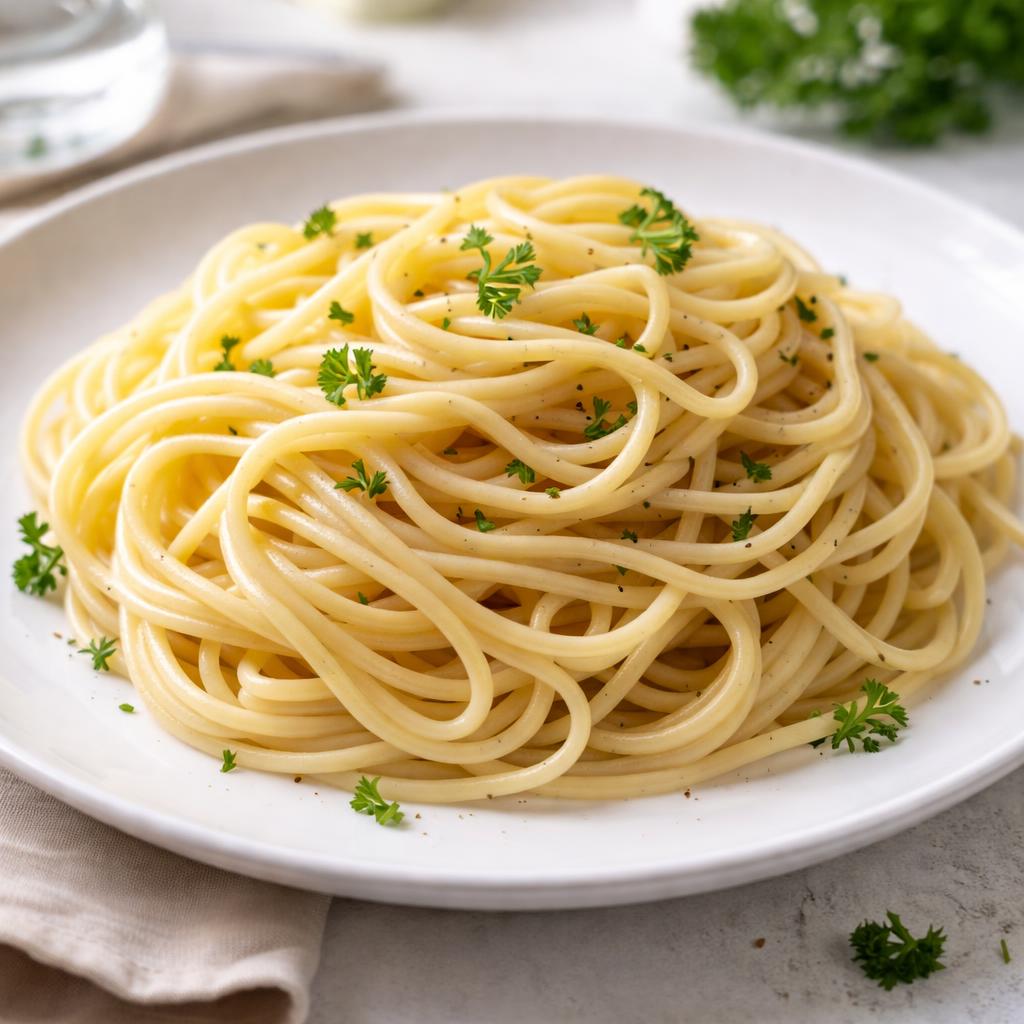
Boiled Pasta
🎯 Quick Verdict
Couscous is lower in calories and ideal for light meals, while boiled pasta provides more fiber and sustained energy. Both foods are versatile but pasta is better suited for nutrient-dense diet plans. Couscous excels for quick, low-calorie options.

Smart Nutrition Tracking with SnapCalorie

📊 Nutritional Comparison
Macronutrients
| Nutrient | Food 1 | Food 2 | Winner |
|---|---|---|---|
| Calories | 112 per 100g | 158 per 100g | ✓ |
| Protein | 3.8g per 100g | 3.8g per 100g | − |
| Carbs | 23g per 100g | 31g per 100g | ✓ |
| Fat | 0.2g per 100g | 0.6g per 100g | ✓ |
| Fiber | 1.4g per 100g | 1.8g per 100g | ✓ |
Vitamins & Minerals
| Nutrient | Food 1 | Food 2 | Winner |
|---|---|---|---|
| Vitamin B1 (Thiamine) | 0.1mg | 0.05mg | ✓ |
| Vitamin B3 (Niacin) | 0.5mg | 1.2mg | ✓ |
| Iron | 0.45mg | 0.48mg | ✓ |
🏆 Category Winners
Protein
Couscous and pasta provide equal amounts of protein per serving.
Fiber
Boiled pasta has 29% more fiber than couscous, supporting digestion.
Calories
Couscous contains 29% fewer calories than boiled pasta per 100g, ideal for calorie control.
Vitamins
Pasta offers more niacin and iron overall, contributing to energy production and oxygen transport.
🥗 Diet Compatibility
Keto
Food 1: Not Compatible
Food 2: Not Compatible
Both are high-carb foods, unsuitable for keto diets.
Vegan
Food 1: Compatible
Food 2: Compatible
Both are plant-based and suitable for vegan diets.
Gluten Free
Food 1: Not Compatible
Food 2: Not Compatible
Both contain gluten and are unsuitable for gluten-free diets.
Paleo
Food 1: Not Compatible
Food 2: Not Compatible
Neither food fits paleo diets due to grain content.
Low Carb
Food 1: Not Compatible
Food 2: Not Compatible
Both foods are relatively high in carbohydrates.
💪 Health Benefits Comparison
Food 1 Benefits
- Low in fat, supporting heart health
- Quick-cooking option ideal for fast meals
- Provides moderate amounts of selenium, an antioxidant mineral
- Lower calorie count makes it suitable for weight management
Food 2 Benefits
- Higher fiber content aids digestion
- Provides sustained energy due to higher carbohydrate density
- Rich in iron, supporting oxygen transport in the blood
- Contains niacin, important for energy metabolism and skin health
✅ The Bottom Line
Opt for couscous when you need a quick, low-calorie meal that’s light on digestion, perfect for weight control. Choose boiled pasta for a more nutrient-dense option, providing sustained energy, fiber, and essential vitamins, ideal for active lifestyles and balanced meal plans.
Choose Food 1 for: Low-calorie meals, quick meal prep, light side dishes
Choose Food 2 for: Energy-dense meals, digestion support, balanced lunches or dinners


