Couscous Salad VS Whole Wheat Wrap
A detailed nutritional comparison
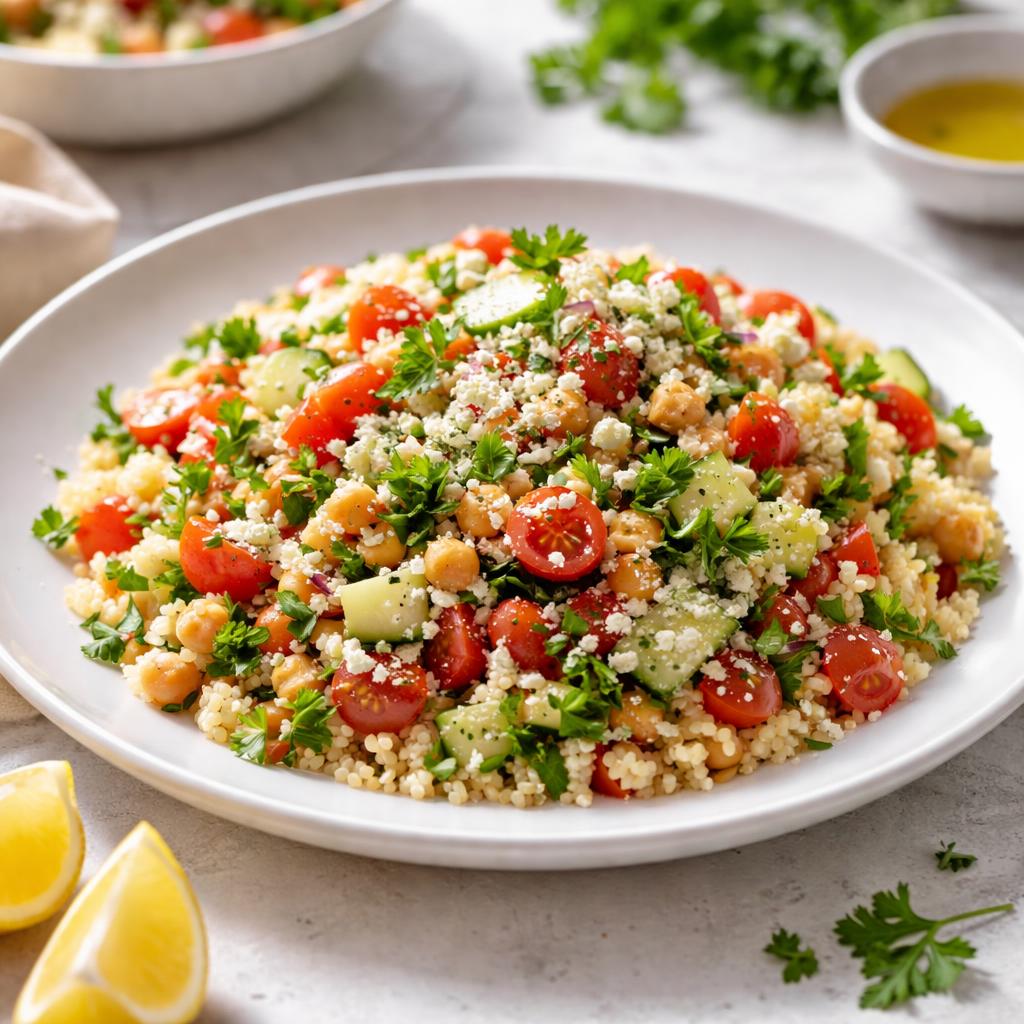
Couscous Salad
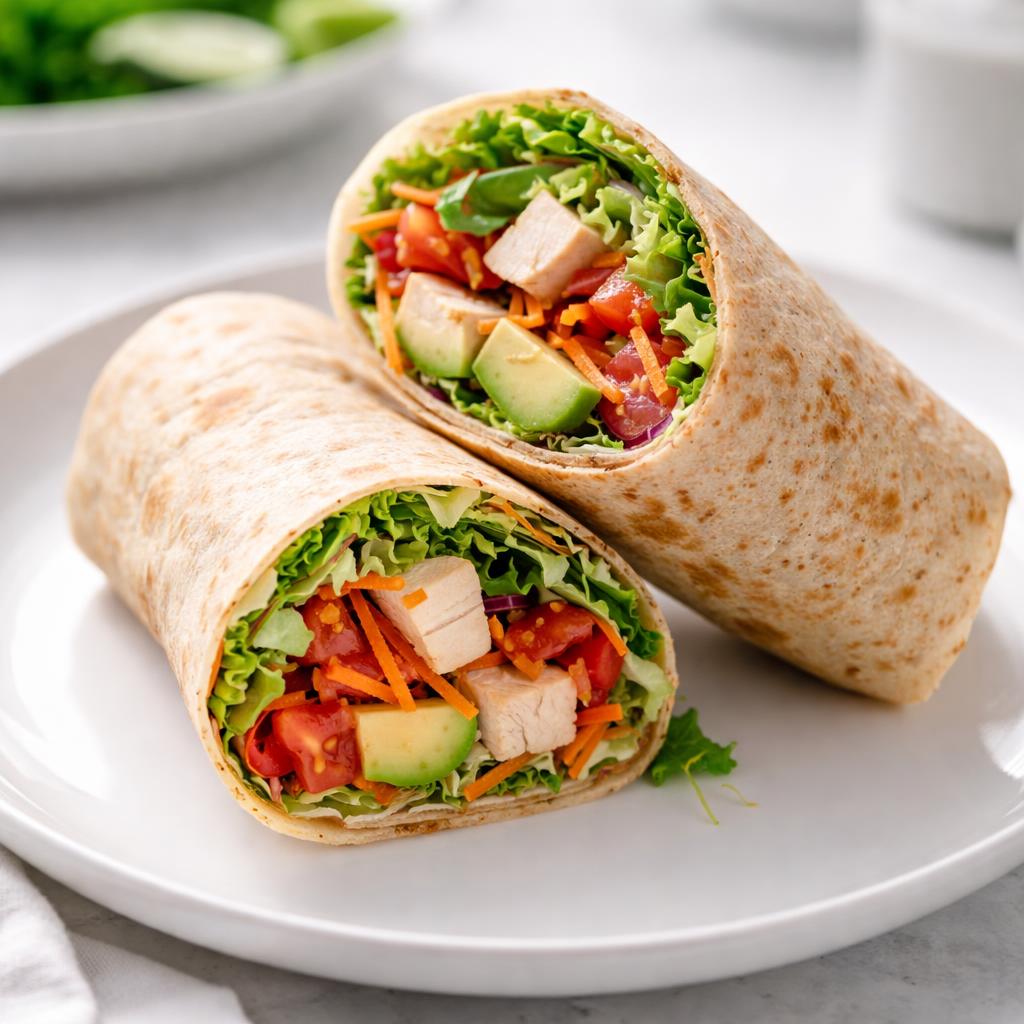
Whole Wheat Wrap
🎯 Quick Verdict
Whole wheat wraps provide significantly more protein and fiber per serving compared to couscous salad, making them a better option for satiation and muscle recovery. On the other hand, couscous salad has fewer calories and is a lighter option suitable for weight loss or light meals. Both are good choices for plant-based diets but serve different dietary needs depending on one's goals.

Smart Nutrition Tracking with SnapCalorie

📊 Nutritional Comparison
Macronutrients
| Nutrient | Food 1 | Food 2 | Winner |
|---|---|---|---|
| Calories | 160 | 210 | ✓ |
| Protein | 5g | 9g | ✓ |
| Carbs | 24g | 32g | ✓ |
| Fat | 4g | 5g | ✓ |
| Fiber | 2g | 6g | ✓ |
Vitamins & Minerals
| Nutrient | Food 1 | Food 2 | Winner |
|---|---|---|---|
| Vitamin D | 0mcg | 0mcg | − |
| Calcium | 11mg | 60mg | ✓ |
| Iron | 0.9mg | 2mg | ✓ |
🏆 Category Winners
Protein
Food2 has nearly double the protein content, essential for muscle repair and strength.
Fiber
Food2 delivers three times more fiber, supporting digestive health.
Calories
Food1 has almost 25% fewer calories, suitable for calorie-conscious diets.
Vitamins
Food2 contains more calcium and iron per serving, making it more nutrient-dense.
🥗 Diet Compatibility
Keto
Food 1: Not Compatible
Food 2: Not Compatible
Both foods are high in carbohydrates, unsuitable for keto diets.
Vegan
Food 1: Compatible
Food 2: Compatible
Both are plant-based options.
Gluten Free
Food 1: Not Compatible
Food 2: Not Compatible
Both contain gluten due to wheat content.
Paleo
Food 1: Not Compatible
Food 2: Not Compatible
Wheat and couscous are not permitted on paleo diets.
Low-Carb
Food 1: Not Compatible
Food 2: Not Compatible
Both foods contain too many carbs to be considered low-carb.
💪 Health Benefits Comparison
Food 1 Benefits
- Low calorie option for weight management
- Provides moderate carbohydrates for energy
- Contains small amounts of iron and trace nutrients
Food 2 Benefits
- High protein for muscle recovery and growth
- Rich in fiber for gut health and satiety
- Contains calcium and iron for bone health and oxygen transport
✅ The Bottom Line
The couscous salad is an ideal choice for those seeking a lighter, lower-calorie meal, while the whole wheat wrap excels at keeping you fuller for longer due to its higher protein and fiber content. Both suit plant-based diets but fulfill distinct purposes.
Choose Food 1 for: Low-calorie meals, light lunches, vegetarian diets
Choose Food 2 for: Protein-rich meals, feeling fuller, active lifestyles


