Couscous Salad VS Whole Wheat Pita
A detailed nutritional comparison
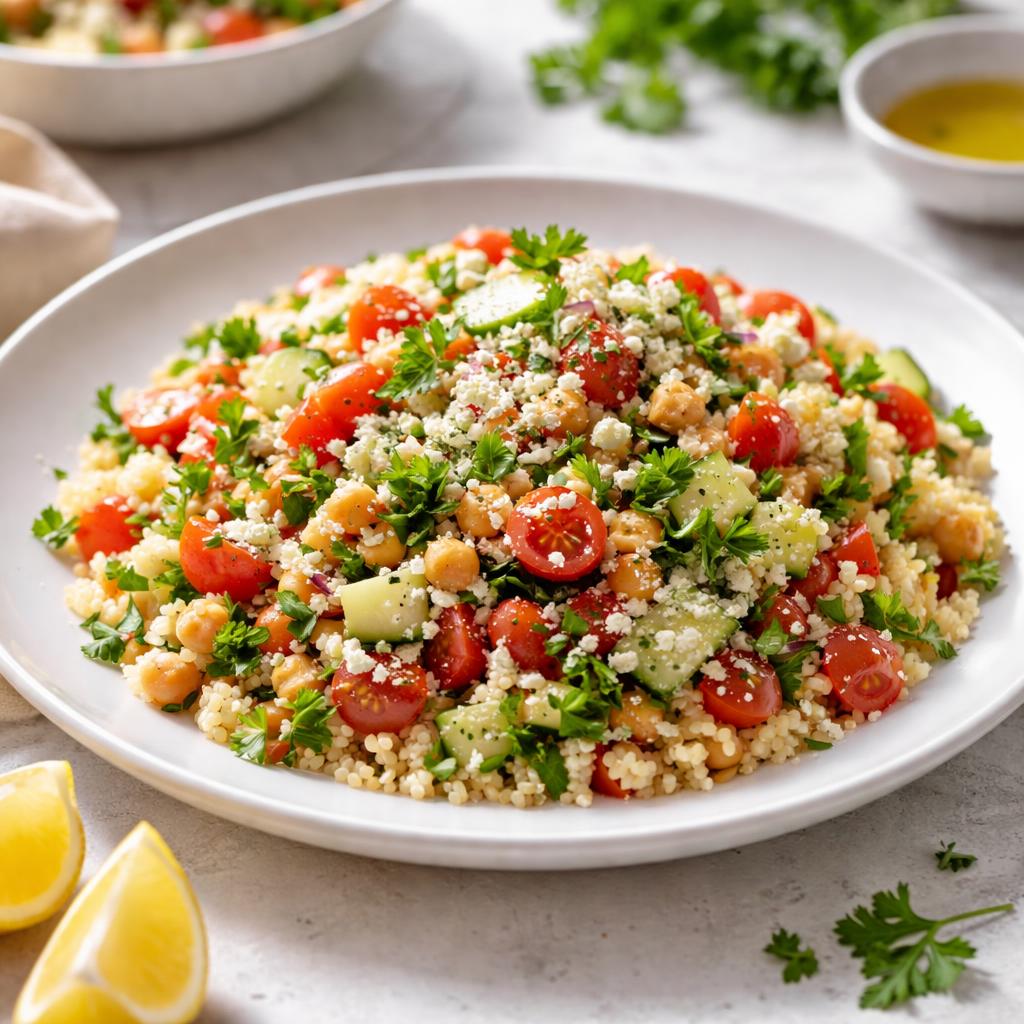
Couscous Salad
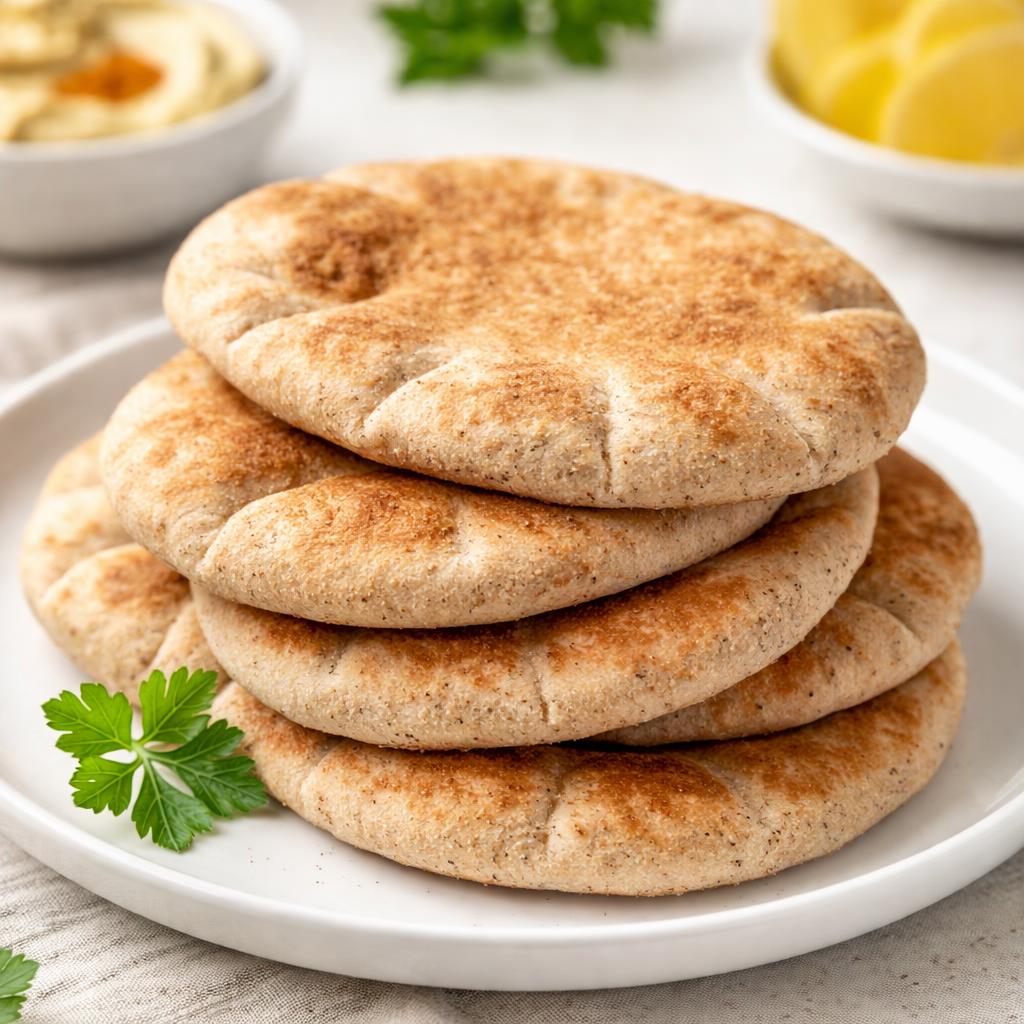
Whole Wheat Pita
🎯 Quick Verdict
Couscous salad is lower in calories and higher in fiber, making it a nutrient-dense, lighter option for weight control and digestion. Whole wheat pita offers more protein per serving, making it better for muscle recovery and sustained energy. The choice depends on your dietary goals—lighter and fiber-rich meal vs a higher protein option.

Smart Nutrition Tracking with SnapCalorie

📊 Nutritional Comparison
Macronutrients
| Nutrient | Food 1 | Food 2 | Winner |
|---|---|---|---|
| Calories | 180 | 210 | ✓ |
| Protein | 7g | 9g | ✓ |
| Carbs | 30g | 35g | ✓ |
| Fat | 4g | 2g | ✓ |
| Fiber | 4g | 3g | ✓ |
Vitamins & Minerals
| Nutrient | Food 1 | Food 2 | Winner |
|---|---|---|---|
| Vitamin A | 60IU | 20IU | ✓ |
| Vitamin C | 5mg | 0mg | ✓ |
| Iron | 1.5mg | 2mg | ✓ |
🏆 Category Winners
Protein
Whole wheat pita contains 28% more protein per serving.
Fiber
Couscous salad provides 33% more fiber per serving.
Calories
Couscous salad has 14% fewer calories per serving.
Vitamins
Couscous salad delivers more Vitamin A and Vitamin C.
🥗 Diet Compatibility
Keto
Food 1: Not Compatible
Food 2: Not Compatible
Both are high-carb foods.
Vegan
Food 1: Compatible
Food 2: Compatible
Both are plant-based and vegan-friendly.
Gluten Free
Food 1: Not Compatible
Food 2: Not Compatible
Both contain gluten from wheat-based ingredients.
Paleo
Food 1: Not Compatible
Food 2: Not Compatible
Both include processed grains incompatible with paleo diets.
Low Carb
Food 1: Not Compatible
Food 2: Not Compatible
Carbohydrate content exceeds thresholds of low-carb diets (30-35g per serving).
💪 Health Benefits Comparison
Food 1 Benefits
- Rich in fiber for improved digestion
- Lower in calories for weight management
- Contains Vitamin C for immune support
- Provides antioxidants from added vegetables in salad
Food 2 Benefits
- Higher protein for muscle recovery and maintenance
- Lower fat content for heart health
- Contains Iron for improved energy levels
- Provides sustained energy from complex carbohydrates
✅ The Bottom Line
Choose couscous salad for a lighter meal rich in fiber and vitamins, perfect for digestion and immune support. Opt for whole wheat pita when you need more protein and sustained energy, such as before or after exercise.
Choose Food 1 for: Low-calorie meal, digestion, antioxidant-rich snacks
Choose Food 2 for: Muscle recovery, higher protein intake, sustained energy


