Couscous Salad VS Uncooked Rice
A detailed nutritional comparison
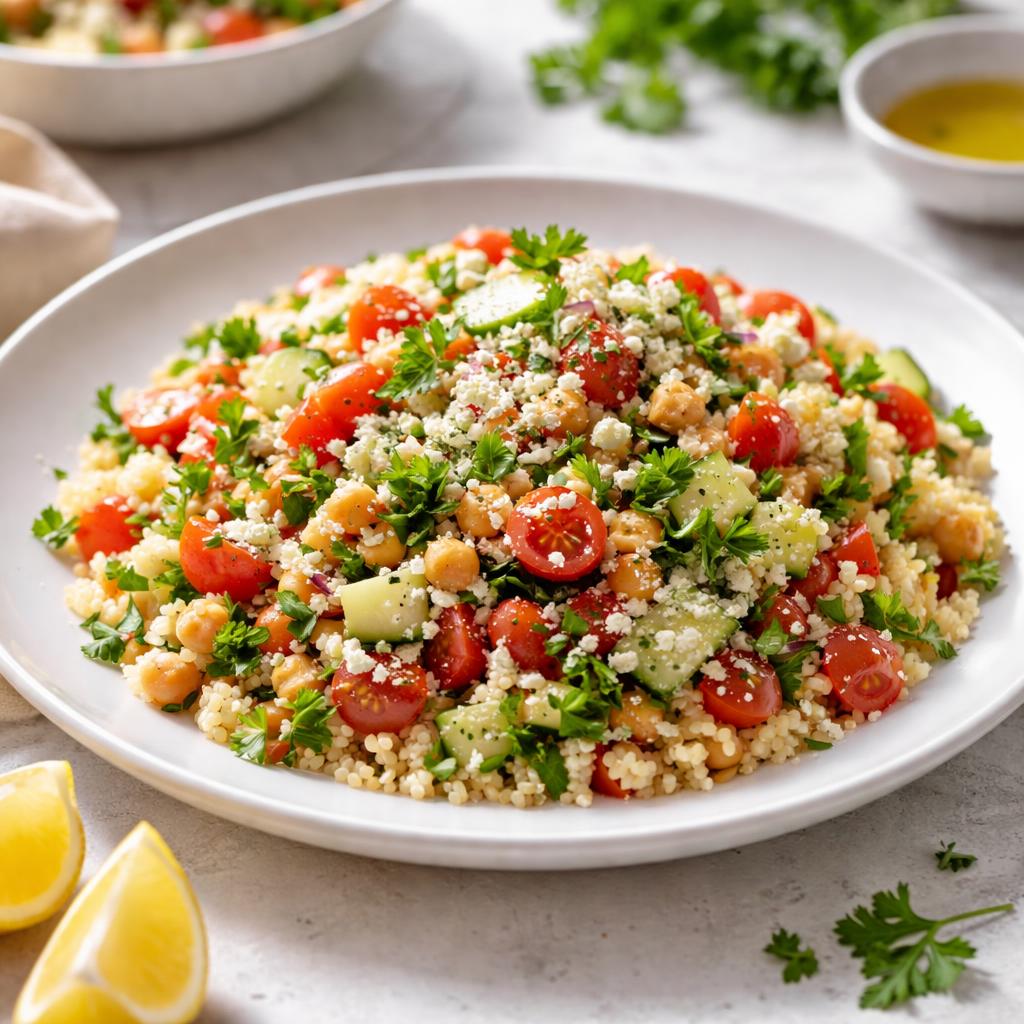
Couscous Salad
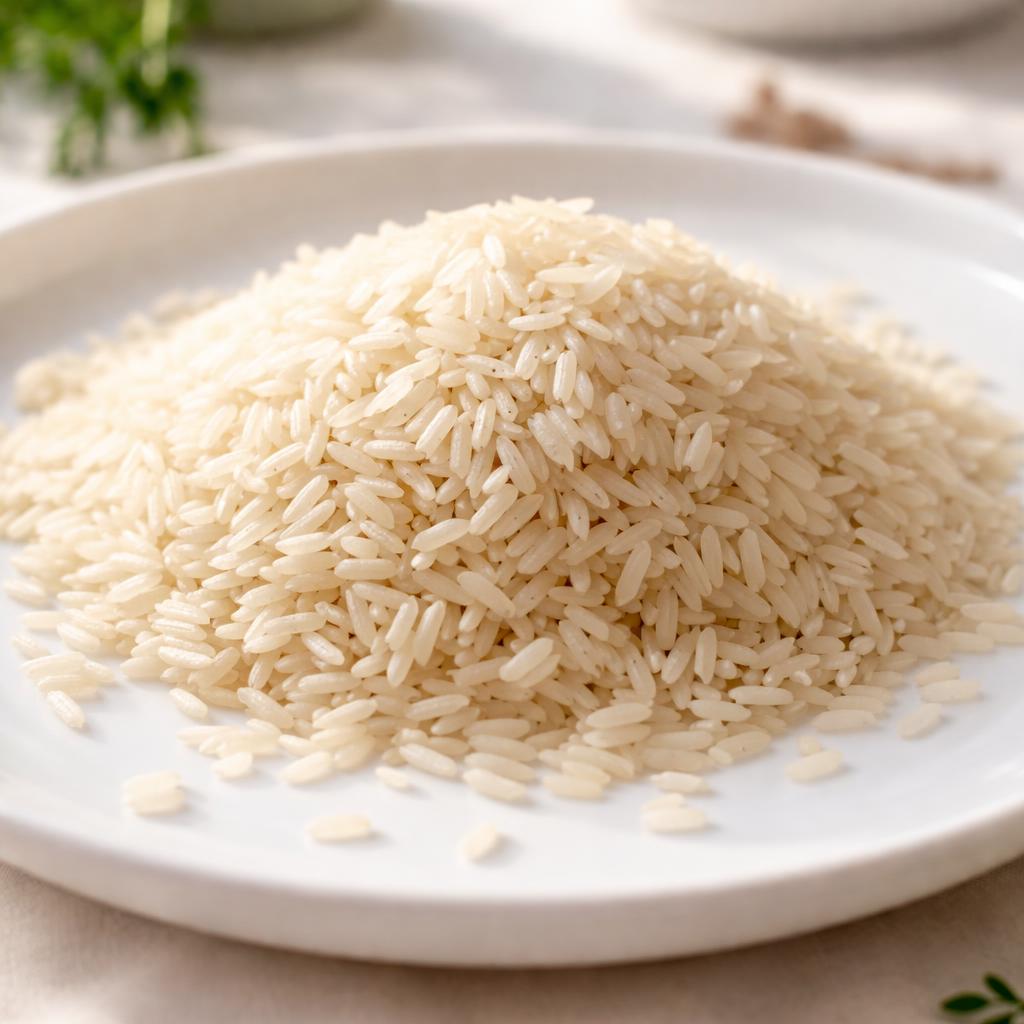
Uncooked Rice
🎯 Quick Verdict
Couscous salad is lower in calories, higher in protein, and provides more fiber compared to uncooked rice. While rice serves as a great energy-dense base for meals, couscous salad offers better nutrient variety with added minerals and vitamins, making it a more balanced option for weight control and general health support.

Smart Nutrition Tracking with SnapCalorie

📊 Nutritional Comparison
Macronutrients
| Nutrient | Food 1 | Food 2 | Winner |
|---|---|---|---|
| Calories | 120 (per 100g prepared) | 370 (per 100g uncooked) | ✓ |
| Protein | 4g | 2.7g | ✓ |
| Carbs | 21g | 80g | ✓ |
| Fat | 1g | 0.6g | ✓ |
| Fiber | 2.5g | 1g | ✓ |
Vitamins & Minerals
| Nutrient | Food 1 | Food 2 | Winner |
|---|---|---|---|
| Vitamin D | 0mcg | 0mcg | − |
| Calcium | 16mg | 10mg | ✓ |
| Iron | 0.8mg | 0.2mg | ✓ |
| Potassium | 66mg | 35mg | ✓ |
🏆 Category Winners
Protein
Couscous salad has 48% more protein per serving compared to uncooked rice.
Fiber
Couscous salad contains over twice the fiber, aiding in digestion and satiety.
Calories
Couscous salad is 68% lower in calories (prepared) than uncooked rice, making it a lighter option.
Vitamins
Couscous salad offers more calcium, iron, and potassium, giving it an edge in micronutrients.
🥗 Diet Compatibility
Keto
Food 1: Not Compatible
Food 2: Not Compatible
Both foods are high in carbohydrates.
Vegan
Food 1: Compatible
Food 2: Compatible
Both are plant-based and contain no animal-derived ingredients.
Gluten Free
Food 1: Not Compatible
Food 2: Compatible
Couscous contains gluten, whereas rice is naturally gluten-free.
Paleo
Food 1: Not Compatible
Food 2: Compatible
Couscous is processed, while rice is minimally processed and paleo-friendly.
Low Carb
Food 1: Not Compatible
Food 2: Not Compatible
Both are relatively high in carbohydrates.
💪 Health Benefits Comparison
Food 1 Benefits
- Provides fiber for digestion and satiety
- Higher in protein for muscle maintenance
- Source of iron, supporting red blood cell health
- Contains potassium, aiding in hydration and muscle function
Food 2 Benefits
- High in carbohydrates, offering a quick energy source
- Naturally gluten-free, suitable for those with gluten sensitivities
- Minimal processing, retaining its natural nutrients
- Contains a small amount of essential minerals like selenium
✅ The Bottom Line
Choose couscous salad for a balanced, lighter meal with ample fiber and protein, great for weight management and quick lunch options. Opt for uncooked rice if you're looking for a high-energy base for meals, ideal for athletes or those requiring calorie-dense foods.
Choose Food 1 for: Weight control, quick meals, digestion support
Choose Food 2 for: Energy-packed meals, gluten-free diets, post-exercise recovery


