Couscous Salad VS Olive Bread
A detailed nutritional comparison
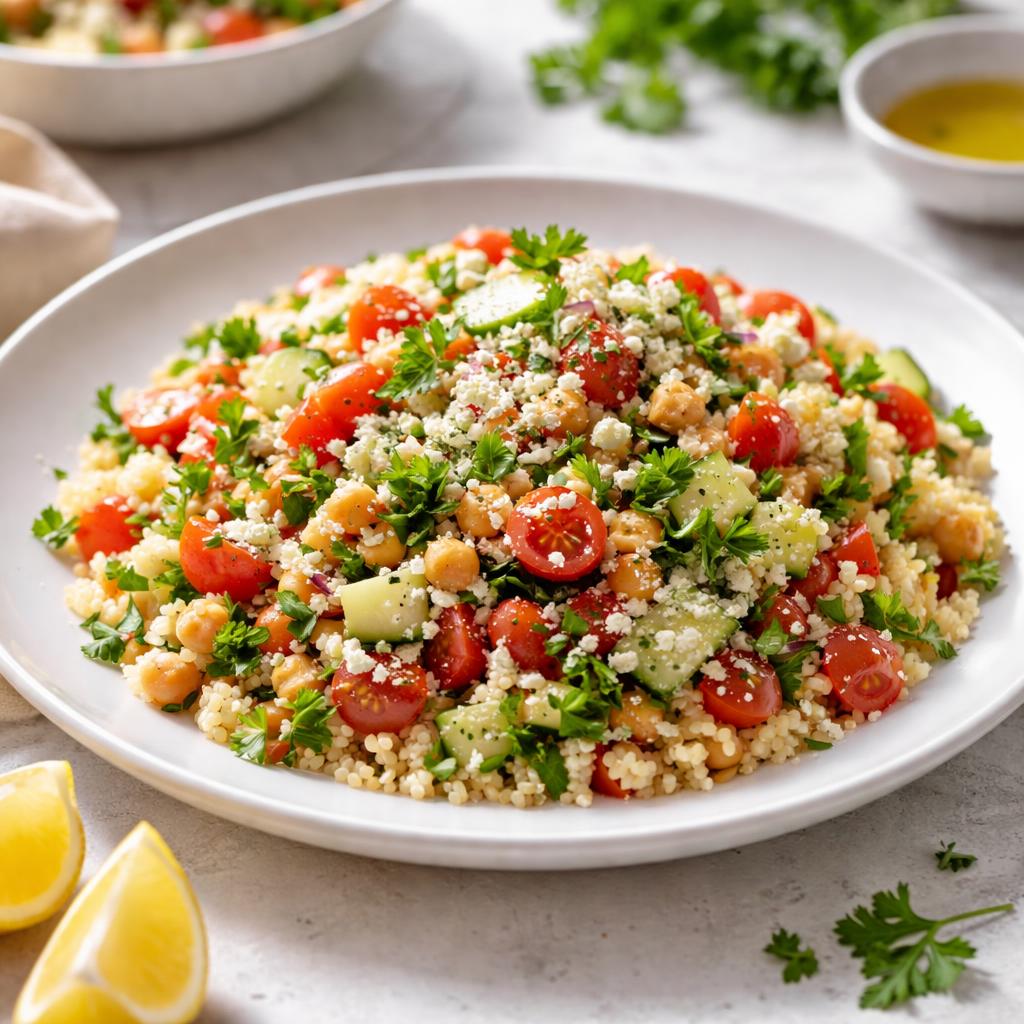
Couscous Salad
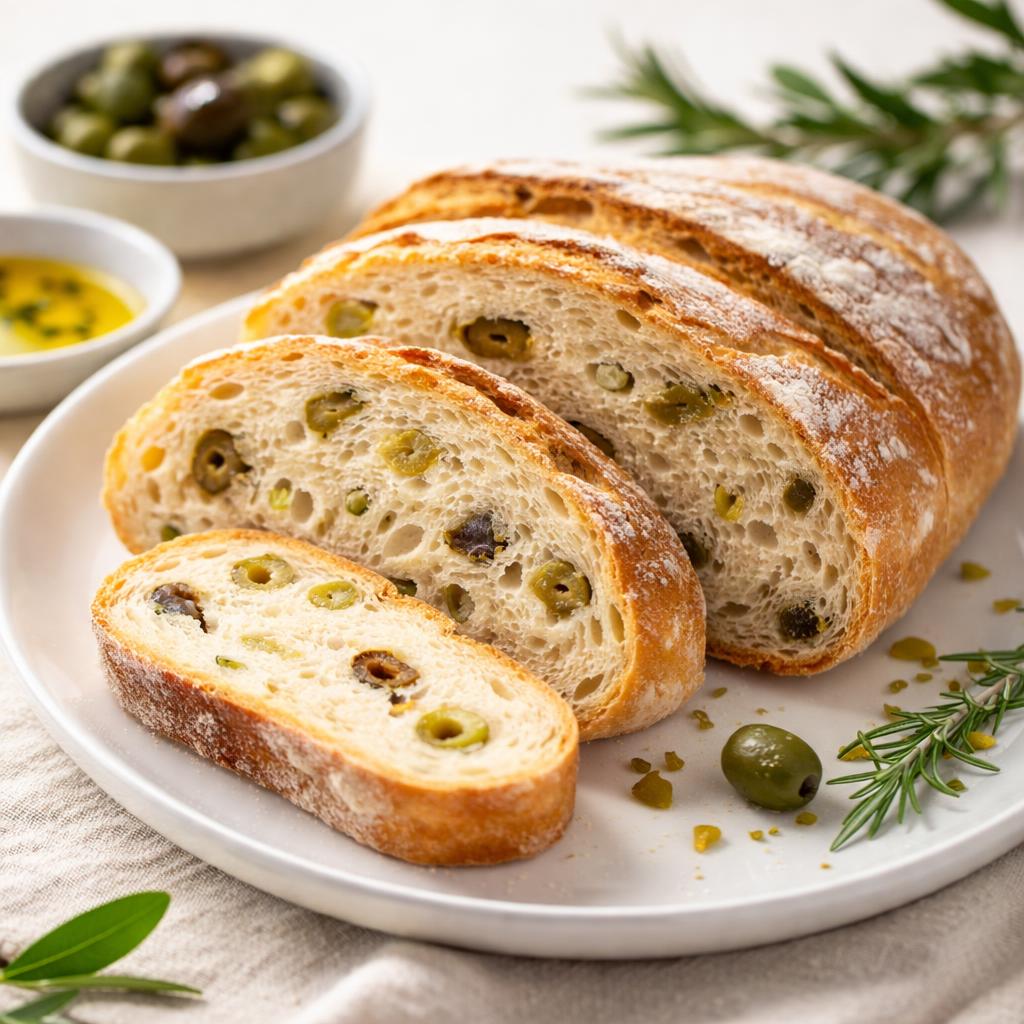
Olive Bread
🎯 Quick Verdict
Couscous salad is lighter in calories, with higher levels of protein and fiber, making it better for weight loss or high-fiber diets. Olive bread is richer in healthy fats and denser in calories, making it ideal for energy and flavorful snacking. Both foods offer nutrient benefits but are suited for distinct dietary goals.

Smart Nutrition Tracking with SnapCalorie

📊 Nutritional Comparison
Macronutrients
| Nutrient | Food 1 | Food 2 | Winner |
|---|---|---|---|
| Calories | 180 | 250 | ✓ |
| Protein | 6g | 4g | ✓ |
| Carbs | 30g | 35g | ✓ |
| Fat | 5g | 12g | ✓ |
| Fiber | 3g | 2g | ✓ |
Vitamins & Minerals
| Nutrient | Food 1 | Food 2 | Winner |
|---|---|---|---|
| Vitamin D | 0mcg | 0.5mcg | ✓ |
| Calcium | 25mg | 60mg | ✓ |
| Iron | 1.2mg | 1mg | ✓ |
🏆 Category Winners
Protein
Couscous salad has 50% more protein per serving.
Fiber
Couscous salad provides 50% more fiber, supporting digestion.
Calories
Couscous salad has 28% fewer calories, ideal for weight management.
Vitamins
Olive bread offers more vitamin D and calcium, which are beneficial for bone health.
🥗 Diet Compatibility
Keto
Food 1: Not Compatible
Food 2: Not Compatible
Both contain high levels of carbohydrates.
Vegan
Food 1: Compatible
Food 2: Compatible
Both are plant-based without animal products.
Gluten Free
Food 1: Not Compatible
Food 2: Not Compatible
Both contain gluten from wheat-based ingredients.
Paleo
Food 1: Not Compatible
Food 2: Not Compatible
Both include grains that are excluded in paleo diets.
Low Carb
Food 1: Not Compatible
Food 2: Not Compatible
Both are high-carb foods, exceeding 25g of carbohydrates per serving.
💪 Health Benefits Comparison
Food 1 Benefits
- Lower calorie content supports weight management.
- Higher fiber helps with digestion and gut health.
- Good source of plant-based protein for muscle maintenance.
Food 2 Benefits
- Provides healthy fats from olives for heart health.
- Rich in calcium and vitamin D for strong bones.
- Serves as a satisfying, energy-dense food option.
✅ The Bottom Line
Couscous salad is better-suited for weight loss, high-fiber diets, or post-workout meals due to its lower calorie, higher protein, and fiber content. Olive bread is a great snack for energy, rich flavor, and heart-healthy fats. Choose couscous salad for lighter meals and olive bread for indulgent treats or sustained energy.
Choose Food 1 for: Weight loss, digestion support, balanced plant-based meals
Choose Food 2 for: Energy-dense snacks, healthy fat intake, flavorful additions


