Couscous Salad VS Glass Noodles
A detailed nutritional comparison
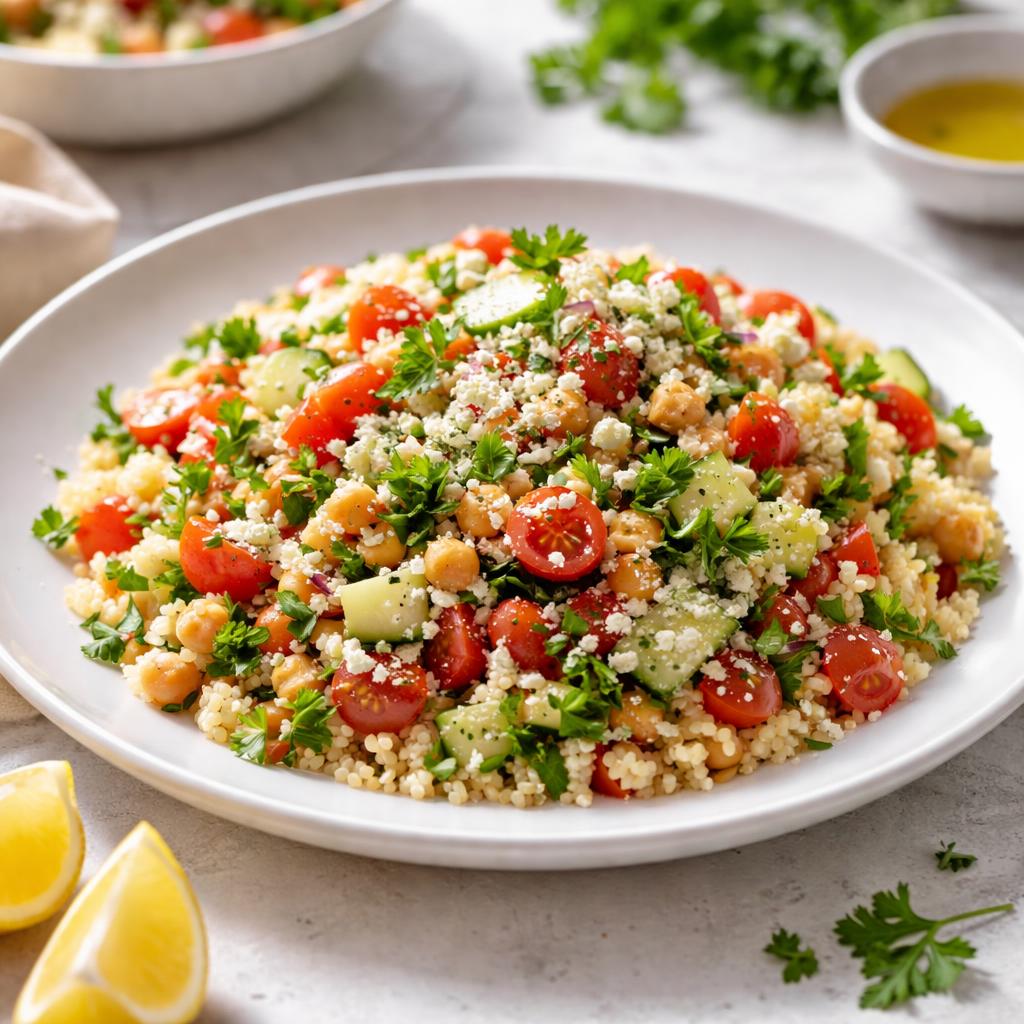
Couscous Salad
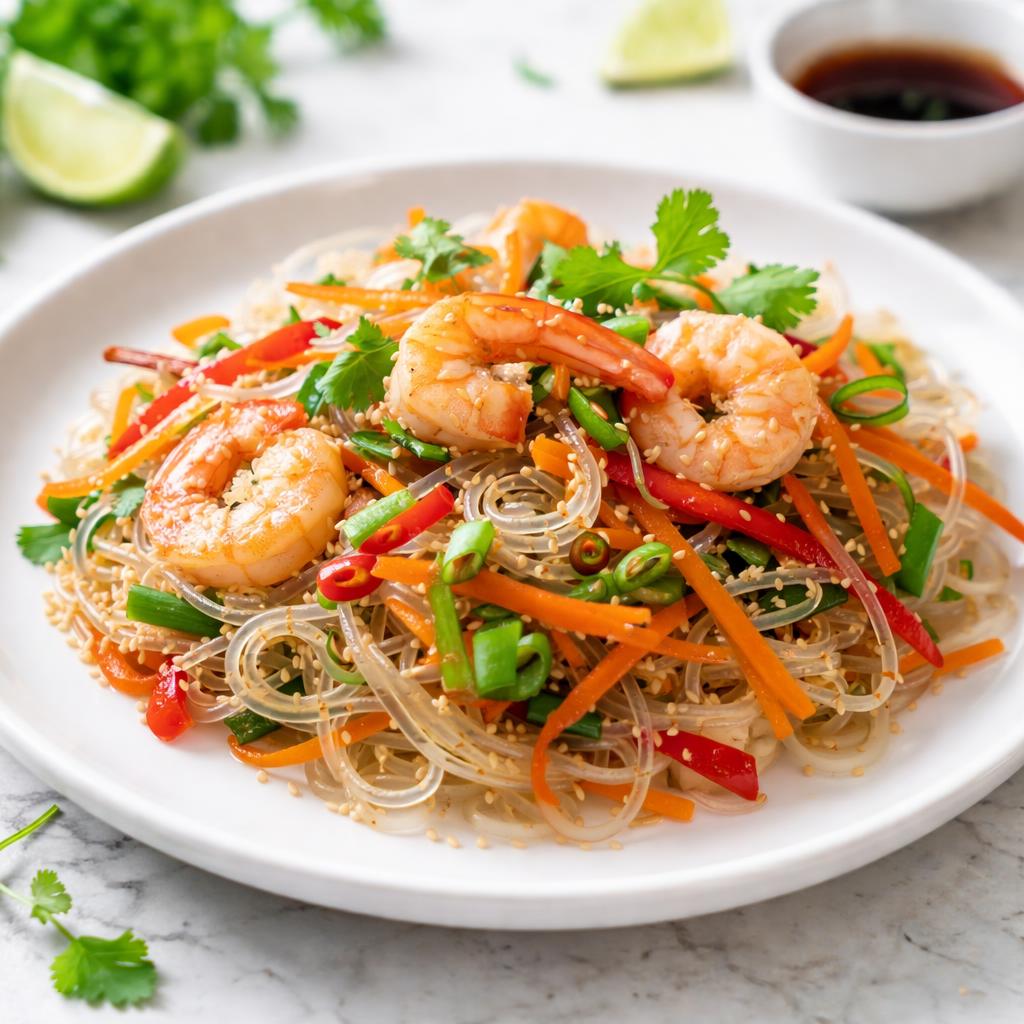
Glass Noodles
🎯 Quick Verdict
Couscous salad provides more protein and fiber, making it a nutrient-dense choice, especially for filling meals or post-workout recovery. Glass noodles, on the other hand, are much lower in calories and are better for light meals or weight management. Both are versatile and can be adapted to various dietary preferences and cuisines.

Smart Nutrition Tracking with SnapCalorie

📊 Nutritional Comparison
Macronutrients
| Nutrient | Food 1 | Food 2 | Winner |
|---|---|---|---|
| Calories | 180 | 150 | − |
| Protein | 6g | 1g | − |
| Carbs | 33g | 35g | − |
| Fat | 3g | 0g | − |
| Fiber | 4g | 1g | − |
Vitamins & Minerals
| Nutrient | Food 1 | Food 2 | Winner |
|---|---|---|---|
| Vitamin C | 4mg | 0mg | − |
| Calcium | 25mg | 10mg | − |
| Iron | 1mg | 0.3mg | − |
🏆 Category Winners
Protein
Couscous salad offers 6g of protein, which is six times higher than glass noodles.
Fiber
Couscous salad contains 4g of fiber, providing 400% more fiber than glass noodles.
Calories
Glass noodles have 30 fewer calories per serving, making them better for low-calorie diets.
🥗 Diet Compatibility
Keto
Food 1: Not Compatible
Food 2: Not Compatible
Both foods are high in carbohydrates, making them unsuitable for keto diets.
Vegan
Food 1: Compatible
Food 2: Compatible
Both foods are plant-based and suitable for vegans.
Gluten Free
Food 1: Not Compatible
Food 2: Compatible
Couscous contains gluten, while glass noodles are typically made from gluten-free starches.
Paleo
Food 1: Not Compatible
Food 2: Not Compatible
Neither food meets strict Paleo requirements due to their processed nature.
Low-Carb
Food 1: Not Compatible
Food 2: Not Compatible
Both foods are relatively high in carbohydrates.
💪 Health Benefits Comparison
Food 1 Benefits
- Provides protein for muscle maintenance and repair
- High in fiber, promoting digestion and satiety
- Contains vitamin C and iron for immune and blood health
- Versatile with added vegetables that enhance nutrient density
Food 2 Benefits
- Low in calories, ideal for weight management
- Gluten-free option for individuals with gluten intolerances
- Easily digestible, making it gentle on the stomach
- Can be used as a base for nutrient-rich recipes
✅ The Bottom Line
Couscous salad is best for nutrient density, providing protein, fiber, and vitamins, making it ideal for balanced meals or post-workout recovery. Glass noodles are better for lighter meals, gluten-free diets, and calorie-conscious eating. Both foods are adaptable to various flavors and cuisines, but their use depends on your dietary goals.
Choose Food 1 for: High-protein recipes, energy-rich meals, post-workout recovery
Choose Food 2 for: Low-calorie meals, gluten-free diets, light meals


