Couscous Salad VS Corn Bread
A detailed nutritional comparison
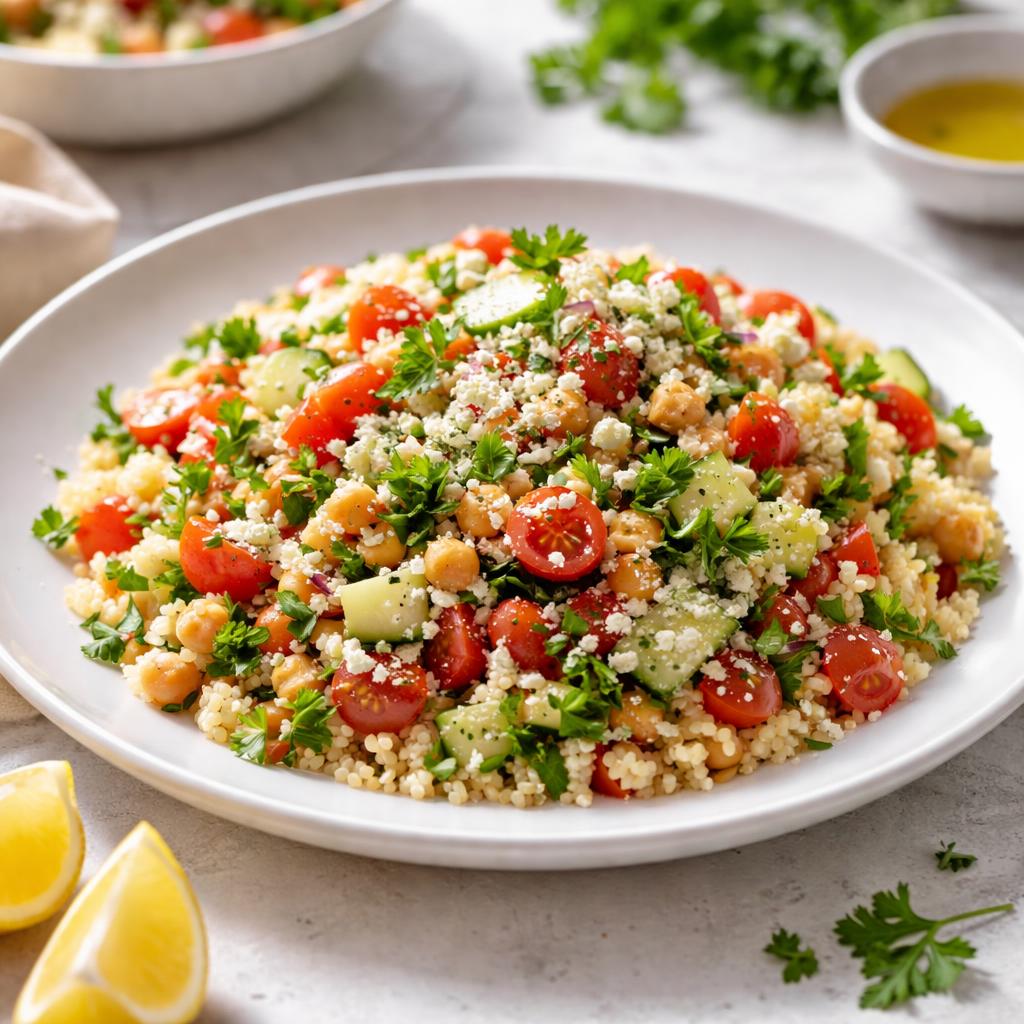
Couscous Salad
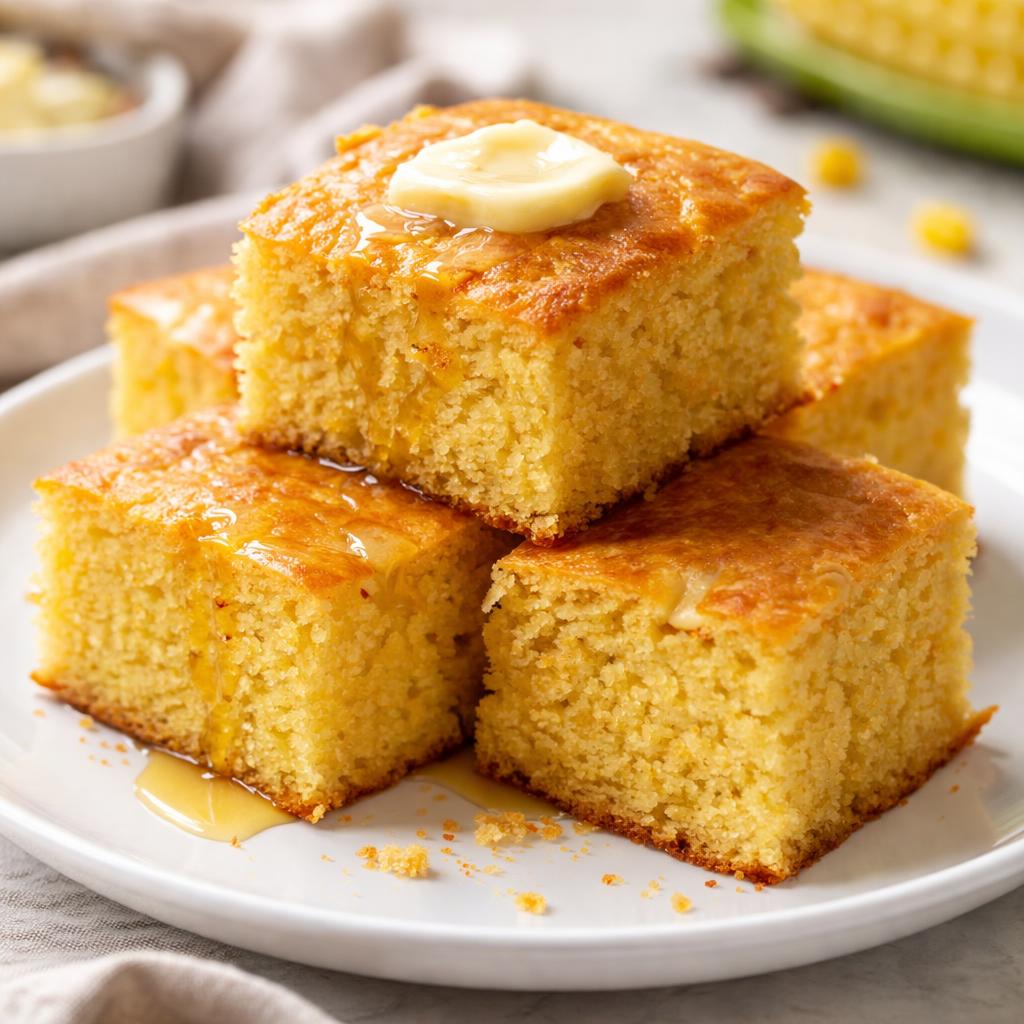
Corn Bread
🎯 Quick Verdict
Couscous salad is a lower-calorie option with higher protein and fiber compared to corn bread, making it ideal for weight management and digestion. Corn bread, while denser and richer, is better suited for energy and comfort meals, with more carbs and fats that provide prolonged energy release.

Smart Nutrition Tracking with SnapCalorie

📊 Nutritional Comparison
Macronutrients
| Nutrient | Food 1 | Food 2 | Winner |
|---|---|---|---|
| Calories | 150 | 210 | ✓ |
| Protein | 6g | 4g | ✓ |
| Carbs | 26g | 33g | ✓ |
| Fat | 3g | 9g | ✓ |
| Fiber | 2.5g | 1g | ✓ |
Vitamins & Minerals
| Nutrient | Food 1 | Food 2 | Winner |
|---|---|---|---|
| Vitamin A | 0mcg | 10mcg | ✓ |
| Vitamin C | 3mg | 0mg | ✓ |
| Calcium | 20mg | 50mg | ✓ |
| Iron | 0.6mg | 1mg | ✓ |
🏆 Category Winners
Protein
Couscous salad has 50% more protein per serving.
Fiber
Couscous salad provides 2.5 times more fiber per serving than corn bread.
Calories
Couscous salad has roughly 30% fewer calories.
Vitamins
Corn bread is richer in Vitamin A, Calcium, and Iron overall.
🥗 Diet Compatibility
Keto
Food 1: Not Compatible
Food 2: Not Compatible
Both are high in carbohydrates, which doesn't align with keto's low-carb requirements.
Vegan
Food 1: Potentially Compatible
Food 2: Not Compatible
Couscous salad can be made vegan, while corn bread often contains dairy such as milk or eggs.
Gluten Free
Food 1: Not Compatible
Food 2: Not Compatible
Both contain gluten, with couscous being wheat-based and corn bread often containing added flour.
Paleo
Food 1: Not Compatible
Food 2: Not Compatible
Both foods contain grains, which are excluded from paleo diets.
Low Carb
Food 1: Not Compatible
Food 2: Not Compatible
Both foods are primarily carbohydrate-based.
💪 Health Benefits Comparison
Food 1 Benefits
- High fiber content supports digestion and gut health.
- Moderate protein content helps repair tissues and support metabolism.
- Low-calorie option for weight management.
Food 2 Benefits
- Provides a good source of energy for active lifestyles.
- Rich in Calcium and Iron, which support bone and blood health.
- Contains healthy fats for sustained energy and satiety.
✅ The Bottom Line
Choose couscous salad if you’re looking for a lighter, lower-calorie meal with more protein and fiber, ideal for weight management and digestive health. Opt for corn bread as a filling energy source with a comforting flavor, suitable for energy-demanding activities or meals needing healthy fats.
Choose Food 1 for: Weight loss, digestion health, light meals or sides
Choose Food 2 for: Energy-dense snacks, comfort food, bone support


