Cornbread VS Zucchini Bread
A detailed nutritional comparison
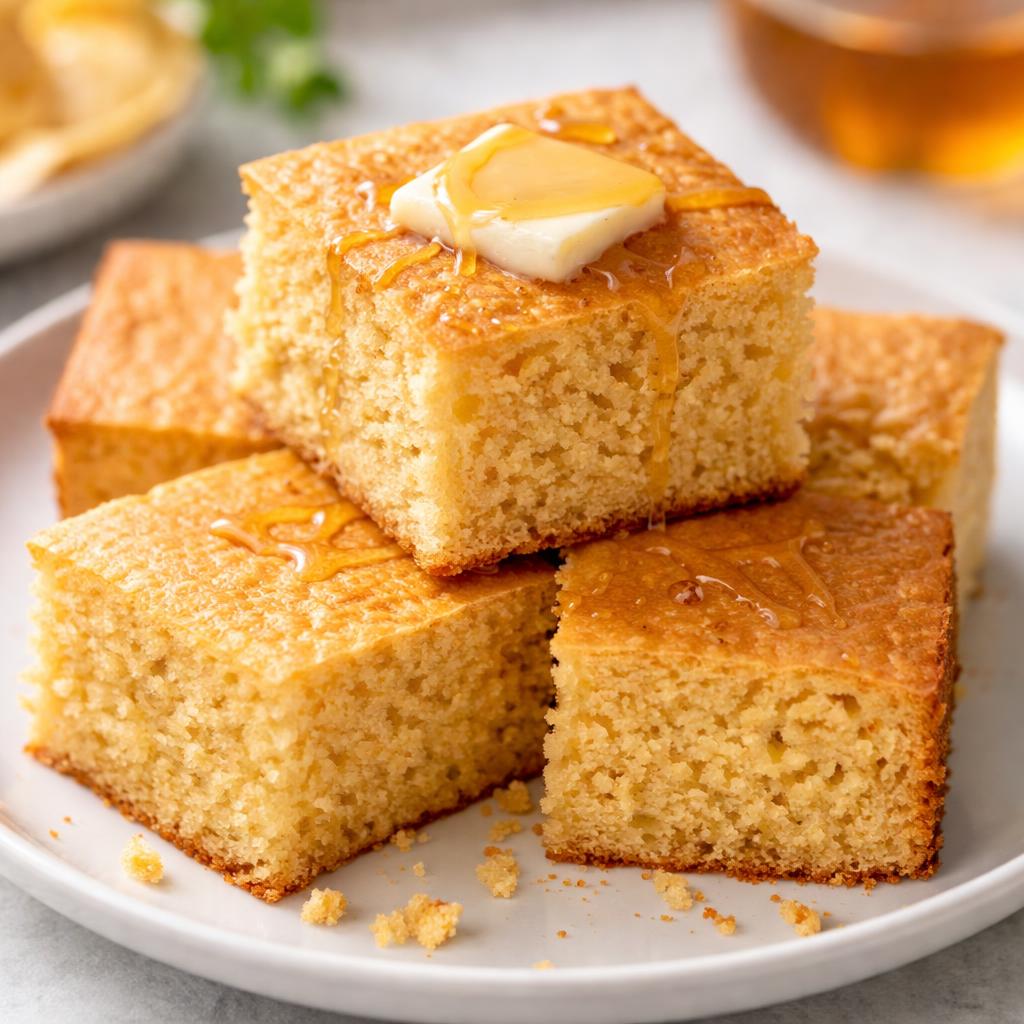
Cornbread
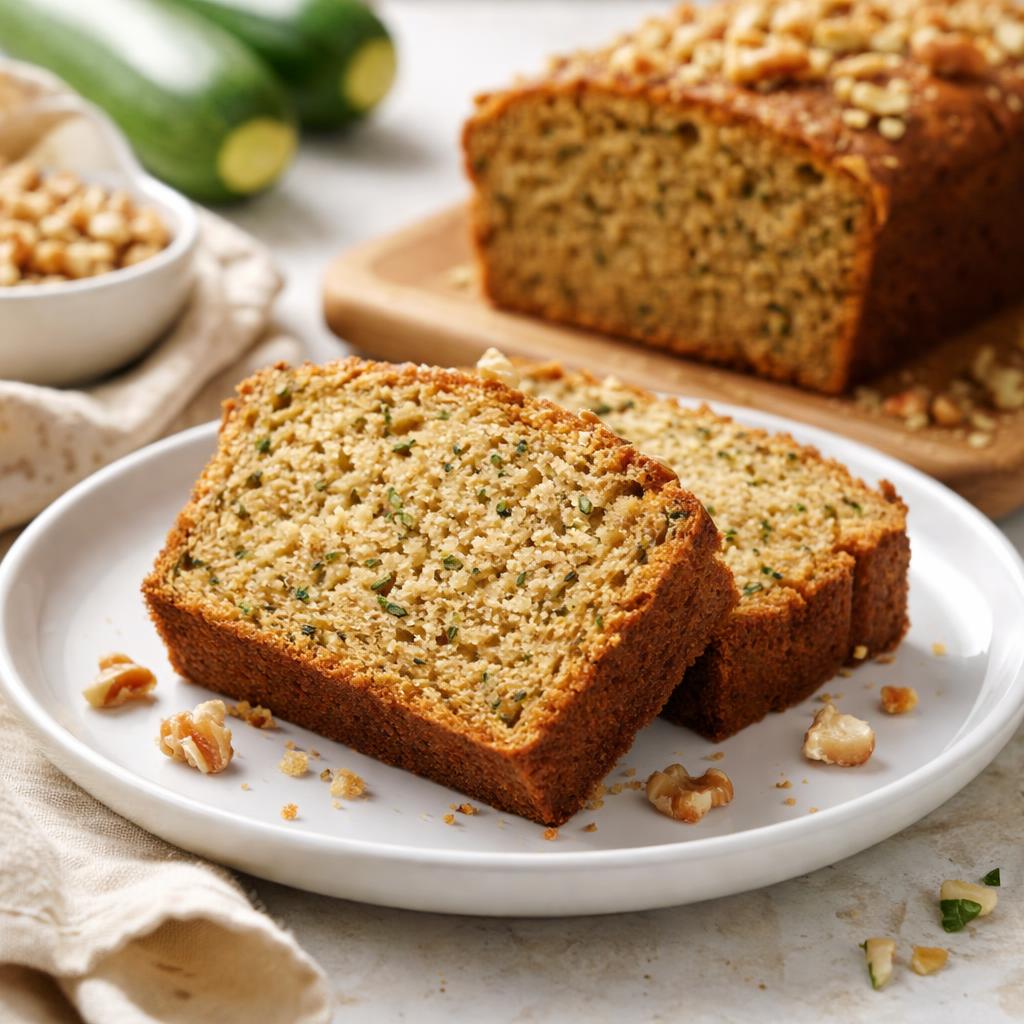
Zucchini Bread
🎯 Quick Verdict
Zucchini bread is overall healthier with fewer calories, more fiber, and comparable protein content to cornbread. Cornbread, while slightly richer in calories and carbs, is better for energy-dense meals. Zucchini bread is ideal for lighter, nutrient-dense options and supports digestion with higher fiber content.

Smart Nutrition Tracking with SnapCalorie

📊 Nutritional Comparison
Macronutrients
| Nutrient | Food 1 | Food 2 | Winner |
|---|---|---|---|
| Calories | 198 | 148 | ✓ |
| Protein | 4g | 4g | − |
| Carbs | 30g | 22g | ✓ |
| Fat | 7g | 6g | ✓ |
| Fiber | 1g | 3g | ✓ |
Vitamins & Minerals
| Nutrient | Food 1 | Food 2 | Winner |
|---|---|---|---|
| Vitamin A | 0% | 11% | ✓ |
| Vitamin C | 0% | 8% | ✓ |
| Calcium | 40mg | 25mg | ✓ |
| Iron | 0.9mg | 0.7mg | ✓ |
🏆 Category Winners
Protein
Both foods provide the same amount of protein (4g per serving).
Fiber
Zucchini bread contains 3g fiber versus 1g in cornbread, aiding digestion.
Calories
Zucchini bread has 25% fewer calories per serving.
Vitamins
Food2 offers significantly more Vitamin A (11%) and Vitamin C (8%).
🥗 Diet Compatibility
Keto
Food 1: Not Compatible
Food 2: Not Compatible
Both are high in carbs (over 20g per serving).
Vegan
Food 1: Not Compatible
Food 2: Not Compatible
Both traditionally contain eggs and milk but could be made vegan with substitutions.
Gluten Free
Food 1: Not Compatible
Food 2: Not Compatible
Both typically use flour containing gluten.
Paleo
Food 1: Not Compatible
Food 2: Not Compatible
Non-paleo ingredients like processed flour and sugar are used.
Low Carb
Food 1: Not Compatible
Food 2: Not Compatible
Both exceed typical low-carb limits.
💪 Health Benefits Comparison
Food 1 Benefits
- Energy-dense meal option
- Provides small amounts of iron and calcium
- Enjoyed as a comfort food with meals
Food 2 Benefits
- Higher fiber content supports digestion
- Rich in Vitamin A and Vitamin C for immunity and skin health
- Lower calorie option for weight management
✅ The Bottom Line
Choose zucchini bread for a lighter, nutrient-dense option with more fiber and fewer calories. Cornbread is better for energy-dense comfort meals. Both are versatile in different dietary contexts but require adjustments for stricter diets like vegan, keto, or paleo.
Choose Food 1 for: Comfort meals, energy boost, traditional dishes
Choose Food 2 for: Weight management, digestion support, nutrient boost


