Cornbread VS Mexican Rice
A detailed nutritional comparison
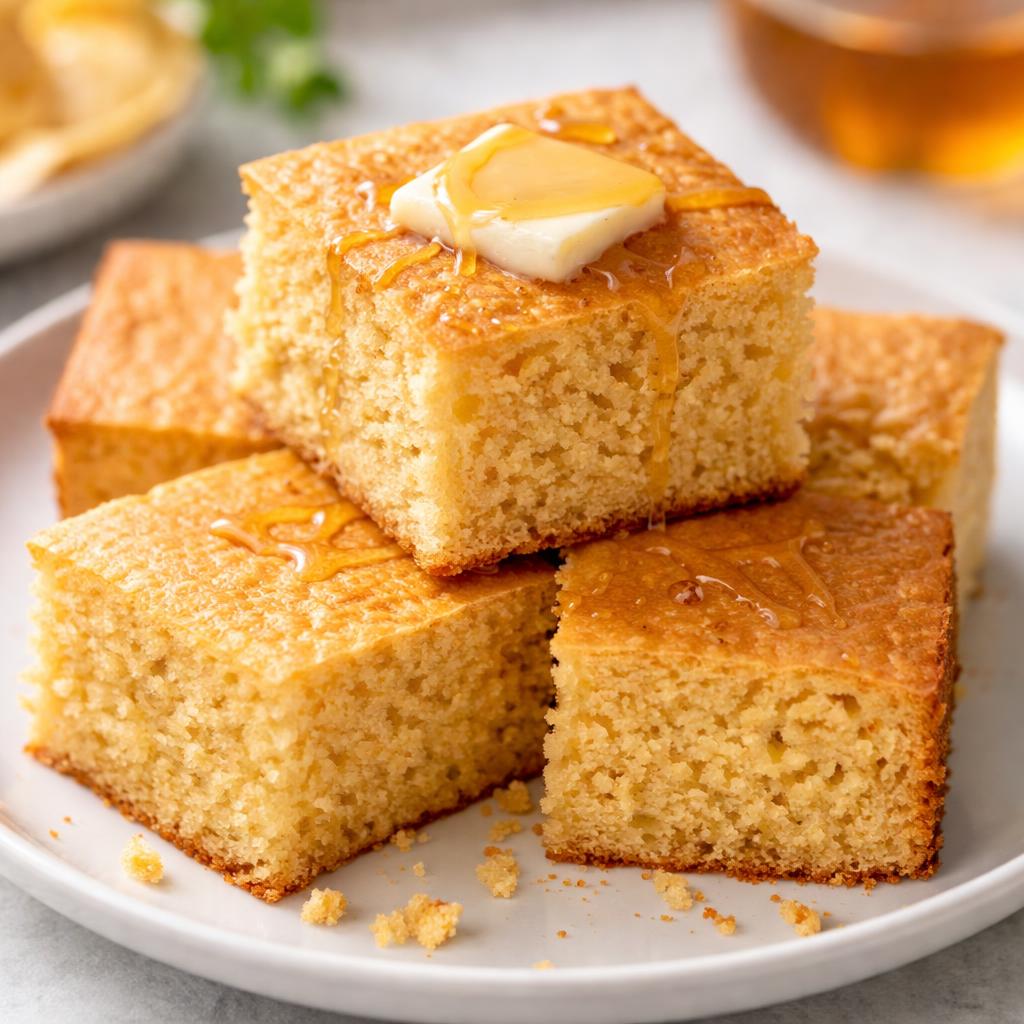
Cornbread
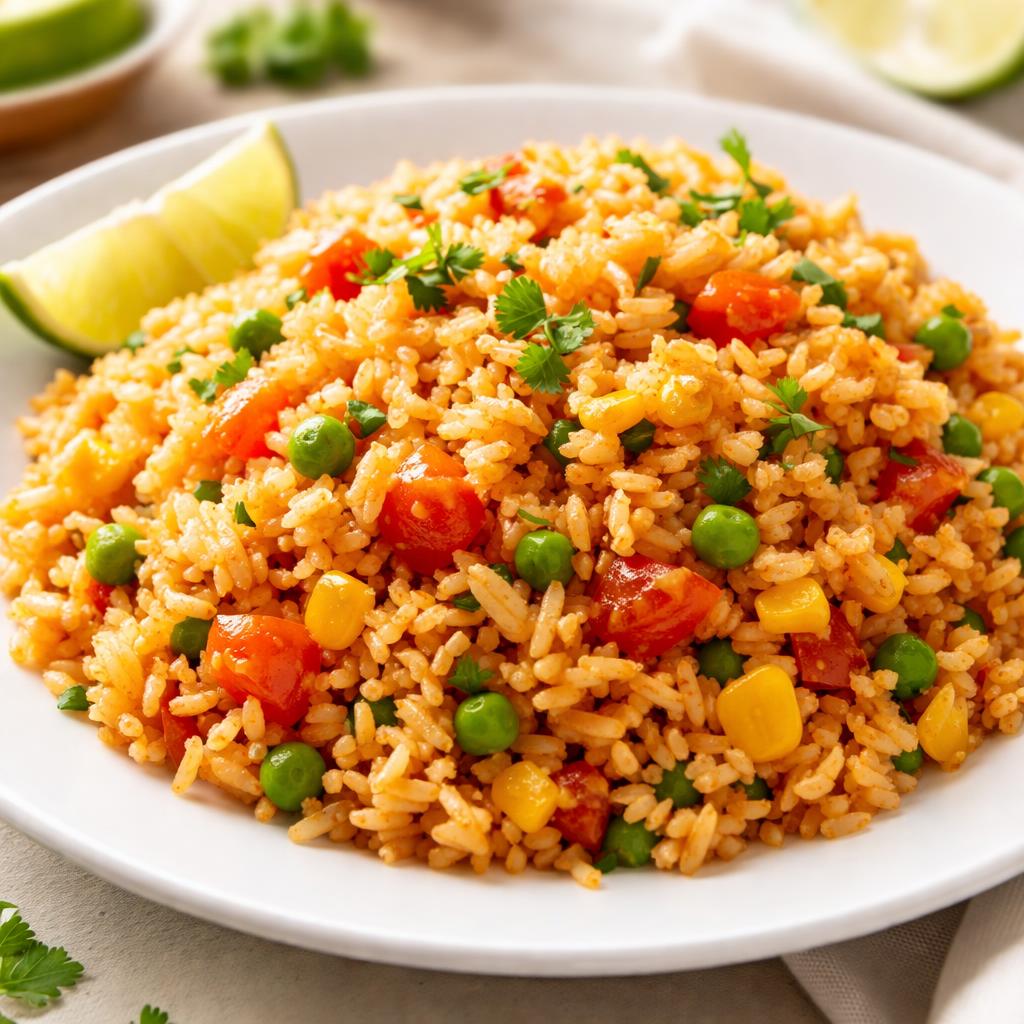
Mexican Rice
🎯 Quick Verdict
Cornbread typically has slightly more calories and fat, but Mexican rice offers more protein and fiber per serving. Cornbread is better for quick energy and satisfying cravings, while Mexican rice is more nutrient-dense and suitable for meals requiring higher protein and fiber content. Both can fit into balanced diets when consumed appropriately.

Smart Nutrition Tracking with SnapCalorie

📊 Nutritional Comparison
Macronutrients
| Nutrient | Food 1 | Food 2 | Winner |
|---|---|---|---|
| Calories | 200 | 160 | ✓ |
| Protein | 4g | 6g | ✓ |
| Carbs | 30g | 35g | ✓ |
| Fat | 10g | 5g | ✓ |
| Fiber | 1g | 3g | ✓ |
Vitamins & Minerals
| Nutrient | Food 1 | Food 2 | Winner |
|---|---|---|---|
| Vitamin A | 200IU | 500IU | ✓ |
| Vitamin C | 0mg | 10mg | ✓ |
| Calcium | 15mg | 20mg | ✓ |
| Iron | 0.5mg | 1mg | ✓ |
🏆 Category Winners
Protein
Mexican rice provides 50% more protein per serving than cornbread.
Fiber
Mexican rice contains 2g more fiber per serving, benefiting digestion.
Calories
Mexican rice has 20% fewer calories per serving.
Vitamins
Mexican rice is richer in Vitamin C, Vitamin A, calcium, and iron compared to cornbread.
🥗 Diet Compatibility
Keto
Food 1: Not Compatible
Food 2: Not Compatible
Both are high-carb due to the base ingredients.
Vegan
Food 1: Depends on recipe
Food 2: Depends on recipe
Cornbread may include dairy or eggs; Mexican rice may use chicken broth.
Gluten Free
Food 1: Depends on recipe
Food 2: Compatible
Cornbread often contains wheat flour; Mexican rice is naturally gluten-free.
Paleo
Food 1: Not Compatible
Food 2: Not Compatible
Neither aligns with paleo due to grains and common additives.
Low-Carb
Food 1: Not Compatible
Food 2: Not Compatible
Both are high in carbohydrates.
💪 Health Benefits Comparison
Food 1 Benefits
- Provides quick energy due to high carbohydrate content
- Rich in taste, making meals more satisfying
- Decent source of dietary fats, aiding satiety
Food 2 Benefits
- Higher in fiber for improved digestion
- Good source of Vitamin C to support immune health
- Lower calorie density helps with weight management
✅ The Bottom Line
Choose cornbread as an indulgent option for quick energy or as a comfort food, especially alongside soups or stews. Mexican rice is better for meals requiring nutrient density, especially for higher protein and fiber needs. Both can complement a balanced diet depending on your goals.
Choose Food 1 for: Comfort food, quick energy, pairing with soups or BBQ
Choose Food 2 for: Balanced meals, digestion support, lower calorie meals


