Cornbread VS Ciabatta Bread
A detailed nutritional comparison
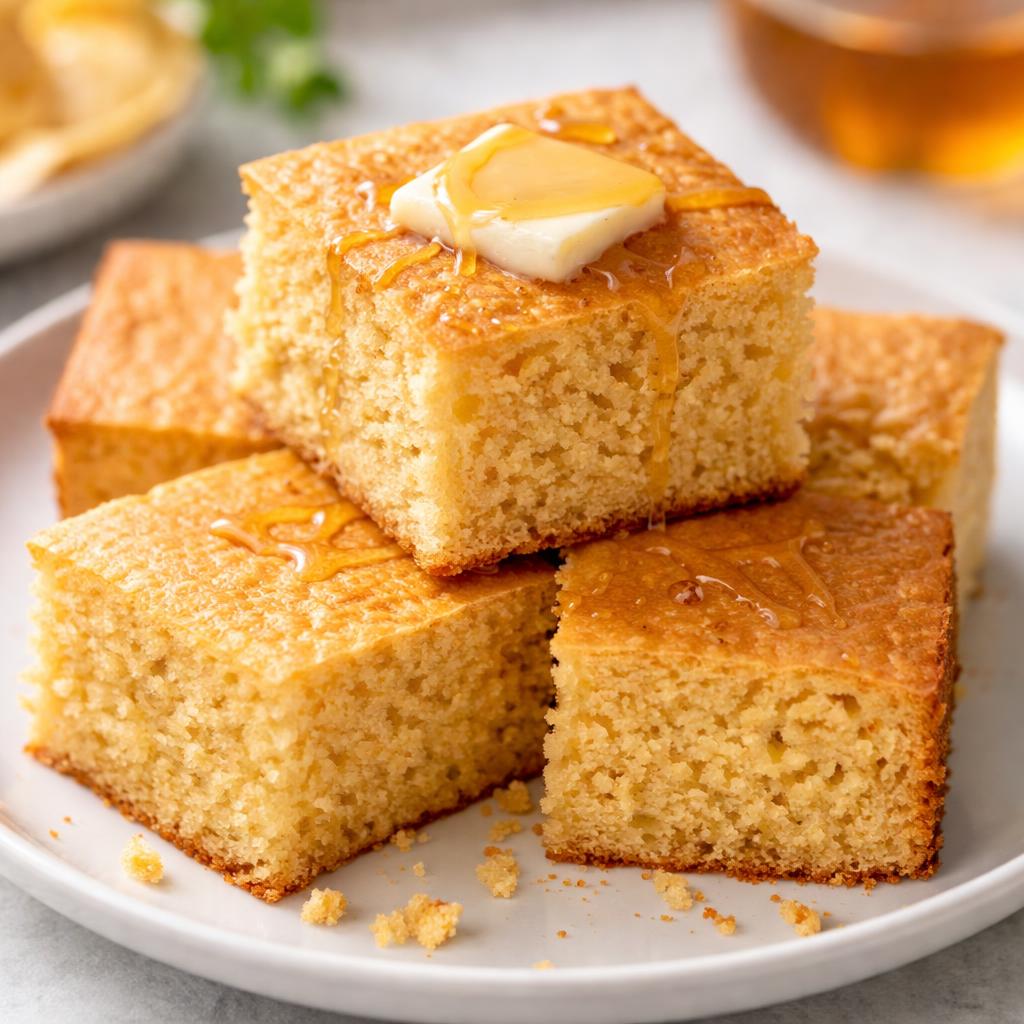
Cornbread
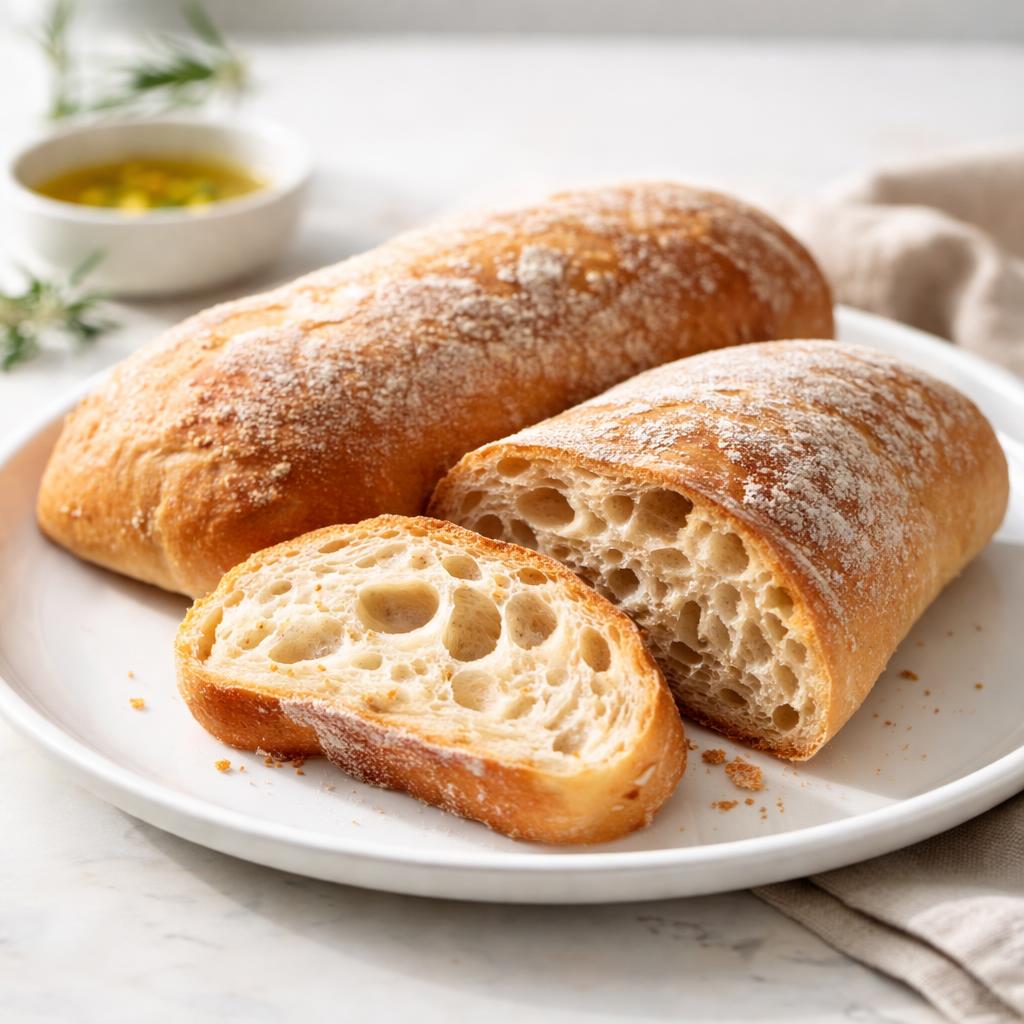
Ciabatta Bread
🎯 Quick Verdict
Cornbread is calorie-conscious and provides slightly more protein, making it a good option for weight management and lighter meals. Ciabatta bread has more fiber and slightly better heart-healthy fats, making it suited for sustained energy and nutrient density during meals. Both are versatile but differ in texture and nutrient emphasis.

Smart Nutrition Tracking with SnapCalorie

📊 Nutritional Comparison
Macronutrients
| Nutrient | Food 1 | Food 2 | Winner |
|---|---|---|---|
| Calories | 198 | 227 | ✓ |
| Protein | 5g | 5g | − |
| Carbs | 26g | 44g | ✓ |
| Fat | 8g | 4g | ✓ |
| Fiber | 1g | 2g | ✓ |
Vitamins & Minerals
| Nutrient | Food 1 | Food 2 | Winner |
|---|---|---|---|
| Vitamin A | 100 IU | 0 IU | ✓ |
| Calcium | 50mg | 20mg | ✓ |
| Iron | 1.5mg | 0.8mg | ✓ |
🏆 Category Winners
Protein
Both foods have equal protein content at 5g per serving.
Fiber
Ciabatta bread provides twice as much fiber as cornbread per serving.
Calories
Cornbread contains 12.8% fewer calories than ciabatta bread per serving.
Vitamins
Cornbread is richer in calcium, vitamin A, and iron than ciabatta bread.
🥗 Diet Compatibility
Keto
Food 1: Not Compatible
Food 2: Not Compatible
Both are high-carb and unsuitable for keto diets.
Vegan
Food 1: Not Compatible
Food 2: Compatible
Cornbread typically contains eggs and milk, while ciabatta bread is usually vegan.
Gluten Free
Food 1: Not Compatible
Food 2: Not Compatible
Both contain wheat flour and are not gluten-free.
Paleo
Food 1: Not Compatible
Food 2: Not Compatible
Both contain processed grains, making them unsuitable for paleo diets.
Low Carb
Food 1: Not Compatible
Food 2: Not Compatible
Both are high in carbs and not suitable for low-carb diets.
💪 Health Benefits Comparison
Food 1 Benefits
- Good source of vitamin A for eye health
- Rich in iron to support red blood cell production
- Moderate calorie content for weight management
Food 2 Benefits
- Higher fiber content for improved digestion
- Contains heart-healthy unsaturated fats
- Provides sustained energy from complex carbohydrates
✅ The Bottom Line
Choose cornbread for weight-conscious meals and a boost in iron and vitamin A, especially if you’re looking for comfort food with a softer texture. Opt for ciabatta bread for higher fiber and heart-healthy fats, making it a better choice for energy-dense meals or as a base for sandwiches.
Choose Food 1 for: Weight management, comfort food, iron-rich diets
Choose Food 2 for: Sustained energy, nutrient density, fiber-rich diets


