Cornbread VS Chicken Fried Rice
A detailed nutritional comparison

Cornbread
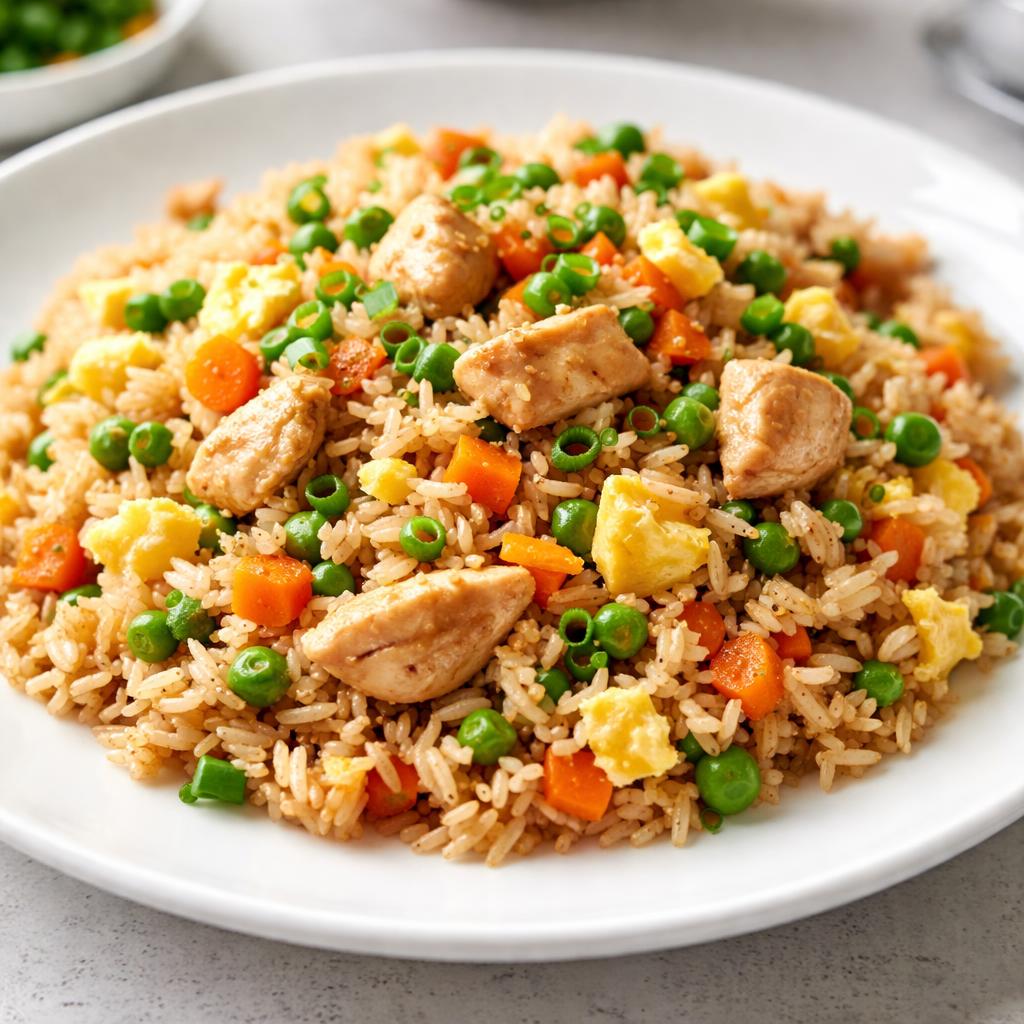
Chicken Fried Rice
🎯 Quick Verdict
Chicken fried rice is higher in protein and nutrient density, making it a better choice for balanced meals and muscle support. Cornbread is lower in calories and provides more fiber, making it suitable for lighter meals or snacks. Both vary significantly in their macronutrient profiles, catering to different dietary goals.

Smart Nutrition Tracking with SnapCalorie

📊 Nutritional Comparison
Macronutrients
| Nutrient | Food 1 | Food 2 | Winner |
|---|---|---|---|
| Calories | 200 | 300 | ✓ |
| Protein | 4g | 12g | ✓ |
| Carbs | 30g | 35g | ✓ |
| Fat | 6g | 10g | ✓ |
| Fiber | 2g | 1g | ✓ |
Vitamins & Minerals
| Nutrient | Food 1 | Food 2 | Winner |
|---|---|---|---|
| Vitamin D | 0mcg | 1mcg | ✓ |
| Calcium | 50mg | 40mg | ✓ |
| Iron | 1mg | 2mg | ✓ |
🏆 Category Winners
Protein
Chicken fried rice provides 3x more protein per serving.
Fiber
Cornbread contains double the fiber compared to chicken fried rice.
Calories
Cornbread has 33% fewer calories.
Vitamins
Chicken fried rice offers slightly more vitamin D and iron.
🥗 Diet Compatibility
Keto
Food 1: Not Compatible
Food 2: Not Compatible
Both are high-carb foods.
Vegan
Food 1: Compatible
Food 2: Not Compatible
Cornbread can be vegan, while chicken fried rice contains meat.
Gluten Free
Food 1: Not Compatible
Food 2: Not Compatible
Cornbread typically contains wheat flour, and fried rice may include soy sauce with gluten.
Paleo
Food 1: Not Compatible
Food 2: Not Compatible
Neither aligns with strict paleo principles due to grains and processed ingredients.
Low-Carb
Food 1: Not Compatible
Food 2: Not Compatible
Both have significant carb content, exceeding limits for low-carb diets.
💪 Health Benefits Comparison
Food 1 Benefits
- Provides dietary fiber for digestion
- Lower calorie option for lighter meals
- Good source of energy from complex carbohydrates
Food 2 Benefits
- Rich in protein for muscle support and repair
- Contains iron contributing to red blood cell function
- Offers balanced macronutrients for sustained energy
✅ The Bottom Line
Choose cornbread for a lower calorie and higher fiber option, ideal as a side dish or snack in casual settings. Opt for chicken fried rice when prioritizing protein intake and nutrient density, especially for meals with balanced macronutrients.
Choose Food 1 for: Snacks, lighter meals, fiber boost
Choose Food 2 for: High-protein diets, nutrient-rich main meals, post-workout recovery


