Cooked Rice VS Vegetable Rice
A detailed nutritional comparison
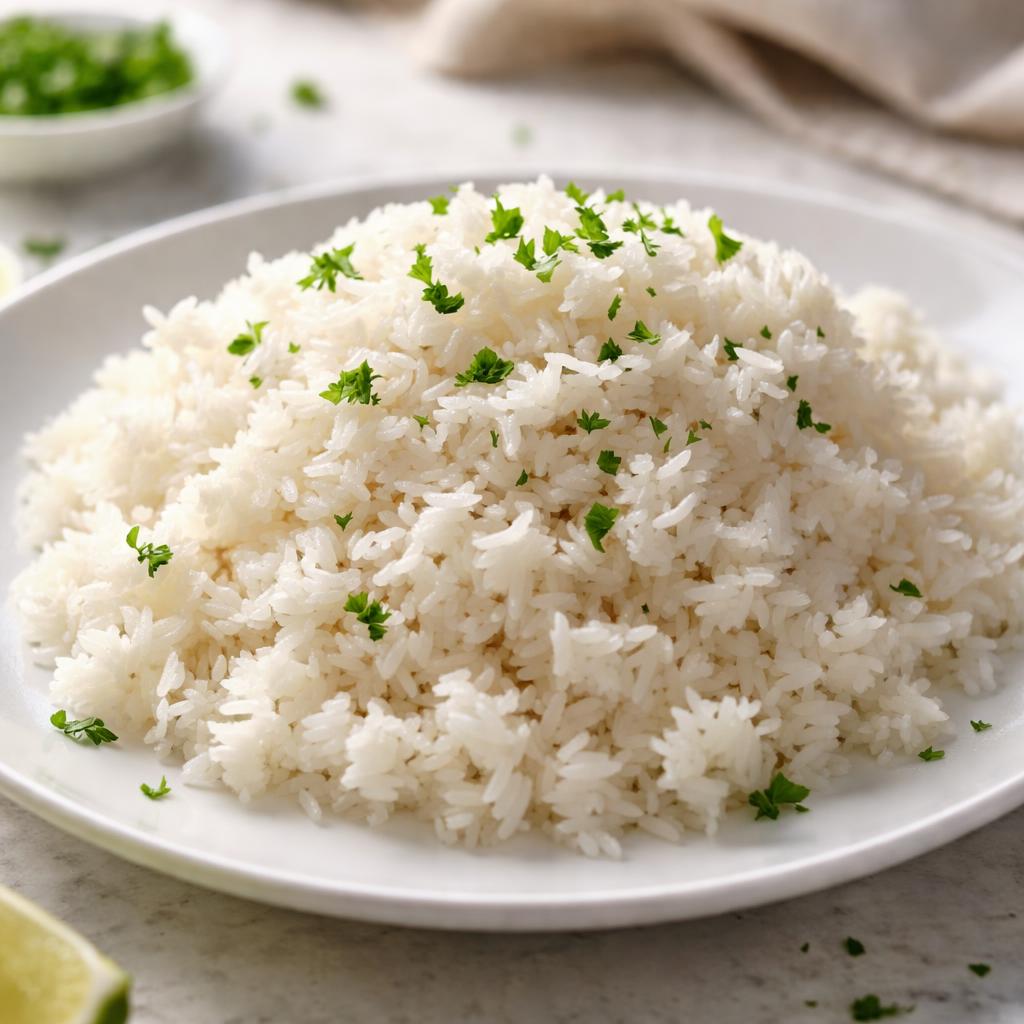
Cooked Rice
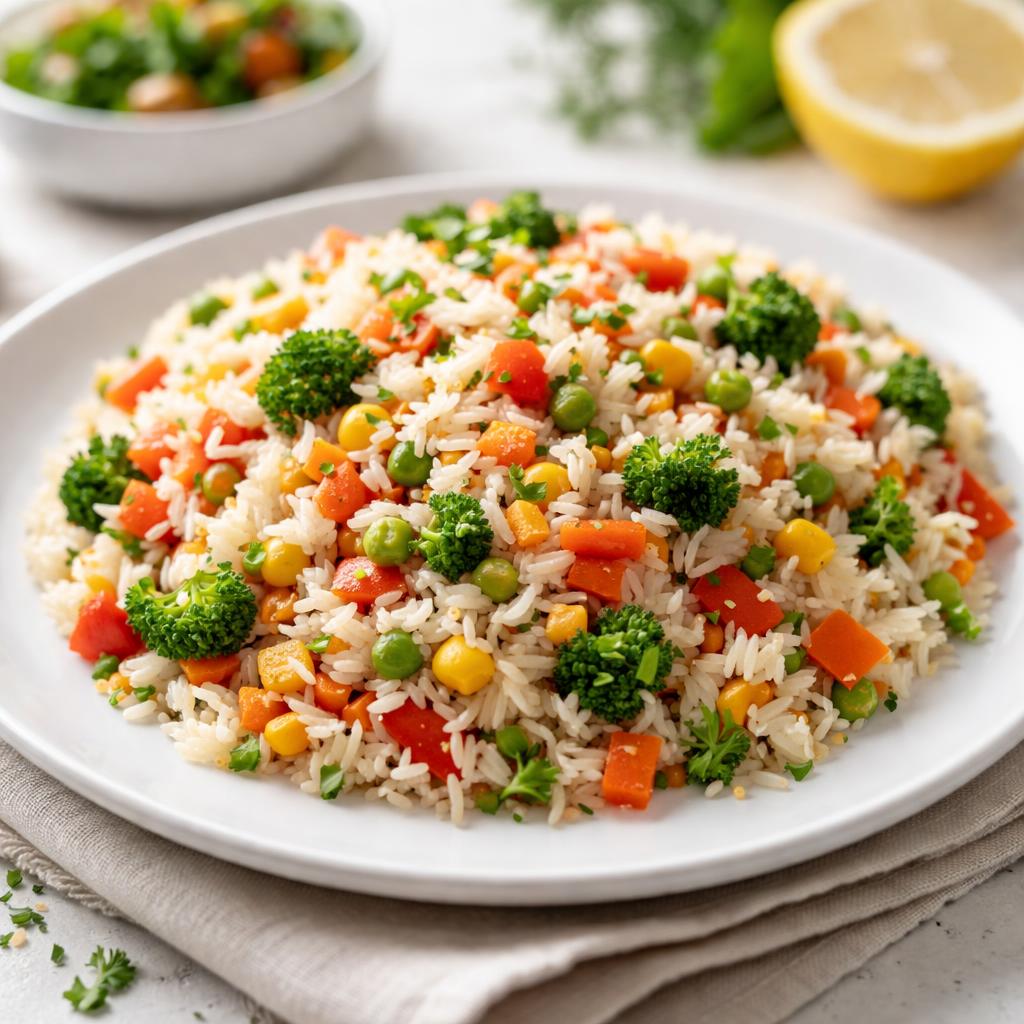
Vegetable Rice
🎯 Quick Verdict
Vegetable rice outperforms cooked rice nutritionally by providing more protein and fiber, while being comparable in calories. Cooked rice is simpler and ideal for plain carbohydrate needs, while vegetable rice adds micronutrients and variety, making it a better choice for balanced diets or nutrient-dense meals.

Smart Nutrition Tracking with SnapCalorie

📊 Nutritional Comparison
Macronutrients
| Nutrient | Food 1 | Food 2 | Winner |
|---|---|---|---|
| Calories | 130 | 130 | − |
| Protein | 2.7g | 4g | ✓ |
| Carbs | 28.7g | 23g | ✓ |
| Fat | 0.3g | 2g | ✓ |
| Fiber | 0.4g | 2g | ✓ |
Vitamins & Minerals
| Nutrient | Food 1 | Food 2 | Winner |
|---|---|---|---|
| Vitamin A | 0mcg | 250mcg | ✓ |
| Vitamin C | 0mg | 10mg | ✓ |
| Iron | 0.2mg | 1mg | ✓ |
🏆 Category Winners
Protein
Vegetable rice contains 48% more protein due to added vegetables.
Fiber
Vegetable rice provides 5x the fiber compared to cooked rice.
Calories
Both foods contain similar calories per serving.
🥗 Diet Compatibility
Keto
Food 1: Not Compatible
Food 2: Not Compatible
Both foods are high in carbohydrates.
Vegan
Food 1: Compatible
Food 2: Compatible
Both are plant-based.
Gluten Free
Food 1: Compatible
Food 2: Compatible
Neither food contains gluten.
Paleo
Food 1: Not Compatible
Food 2: Not Compatible
Rice is excluded on paleo diets.
Low Carb
Food 1: Not Compatible
Food 2: Not Compatible
Both foods are too high in carbohydrates for low-carb diets.
💪 Health Benefits Comparison
Food 1 Benefits
- Source of quick-digesting carbohydrates for energy
- Low in fat, suitable for low-fat diets
- Neutral flavor, complements various dishes
Food 2 Benefits
- Higher fiber for improved digestion
- Contains vitamins, enhancing immune health
- Adds variety and nutrient density to meals with vegetables
✅ The Bottom Line
Choose cooked rice when you need a simple carbohydrate base for energy. Opt for vegetable rice if you're seeking more protein, fiber, and micronutrients for a balanced, nutrient-dense meal.
Choose Food 1 for: Plain carbohydrate needs, side dishes, simple meals
Choose Food 2 for: Balanced diets, nutrient density, improved digestion


