Cooked Rice VS Udon Noodles
A detailed nutritional comparison
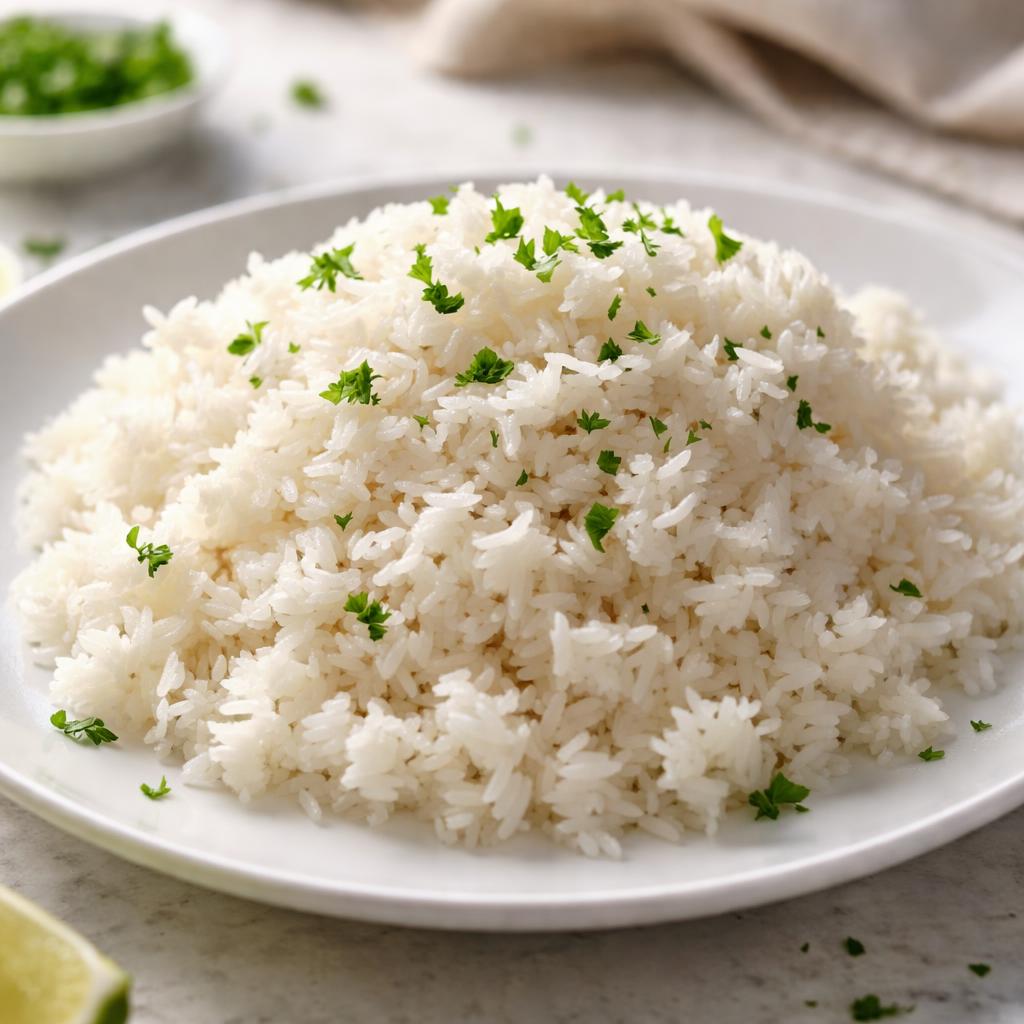
Cooked Rice
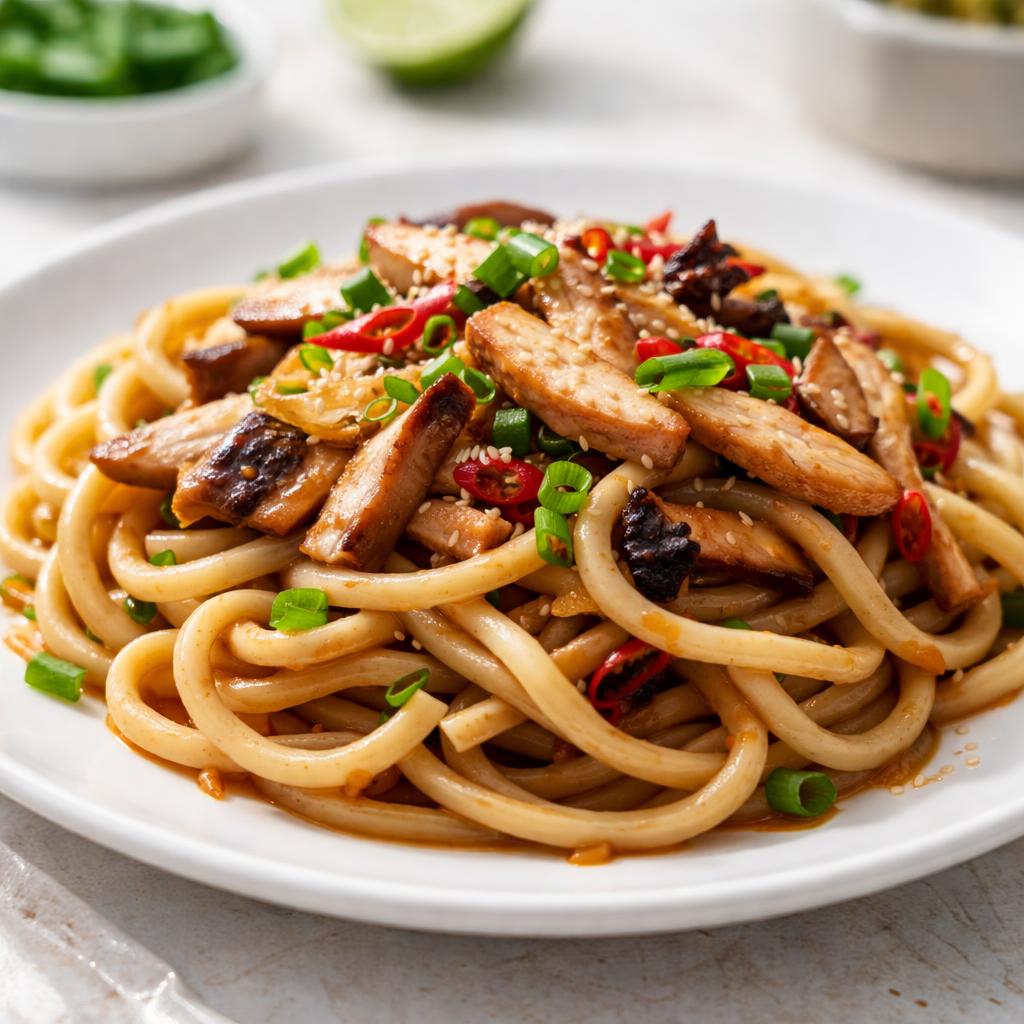
Udon Noodles
🎯 Quick Verdict
Cooked rice and udon noodles are both excellent carbohydrate sources, but udon noodles slightly outperform in fiber and protein content. Rice is simpler nutritionally, making it suitable for low-fat, basic energy needs, while udon noodles shine with their slightly elevated nutrient profile for more balanced meals.

Smart Nutrition Tracking with SnapCalorie

📊 Nutritional Comparison
Macronutrients
| Nutrient | Food 1 | Food 2 | Winner |
|---|---|---|---|
| Calories | 130 per 100g | 130 per 100g | − |
| Protein | 2.7g | 3g | ✓ |
| Carbs | 28g | 26g | ✓ |
| Fat | 0g | 0.2g | ✓ |
| Fiber | 0.4g | 1.5g | ✓ |
Vitamins & Minerals
| Nutrient | Food 1 | Food 2 | Winner |
|---|---|---|---|
| Vitamin B3 (Niacin) | 0.6mg | 0.8mg | ✓ |
| Iron | 0.2mg | 0.9mg | ✓ |
| Magnesium | 12mg | 10mg | ✓ |
🏆 Category Winners
Protein
Udon noodles provide slightly more protein, making them better for muscle maintenance.
Fiber
Udon noodles have nearly 4 times more fiber per serving than cooked rice.
Calories
Both foods offer similar calorie values (130 calories per 100g).
🥗 Diet Compatibility
Keto
Food 1: Not Compatible
Food 2: Not Compatible
Both are carbohydrate-dense and not suitable for keto.
Vegan
Food 1: Compatible
Food 2: Compatible
Both are plant-based and fit vegan diets.
Gluten Free
Food 1: Compatible
Food 2: Not Compatible
Rice is naturally gluten-free, but udon noodles contain wheat.
Paleo
Food 1: Not Compatible
Food 2: Not Compatible
Neither food aligns with paleo principles (processed grains).
Low Carb
Food 1: Not Compatible
Food 2: Not Compatible
Both are high in carbohydrates and unsuitable for low-carb diets.
💪 Health Benefits Comparison
Food 1 Benefits
- Easily digestible source of energy
- Low in fat, suitable for a heart-healthy diet
- Gluten-free and allergy-friendly
Food 2 Benefits
- Higher fiber content supports digestion and gut health
- Contains iron for improved oxygen transport
- Provides niacin for energy production and healthy skin
✅ The Bottom Line
Cooked rice is best if you're looking for a simple, gluten-free energy source, while udon noodles are slightly more nutrient-dense with higher fiber and protein levels. Choose rice for basic meals or dietary restrictions, and opt for udon noodles for balanced, wholesome dishes intended to sustain energy over time.
Choose Food 1 for: Gluten-free diets, simple carb-loading, quick meals
Choose Food 2 for: Balanced meals, nutrient density, digestion support


