Cooked Rice VS Sushi Rice
A detailed nutritional comparison
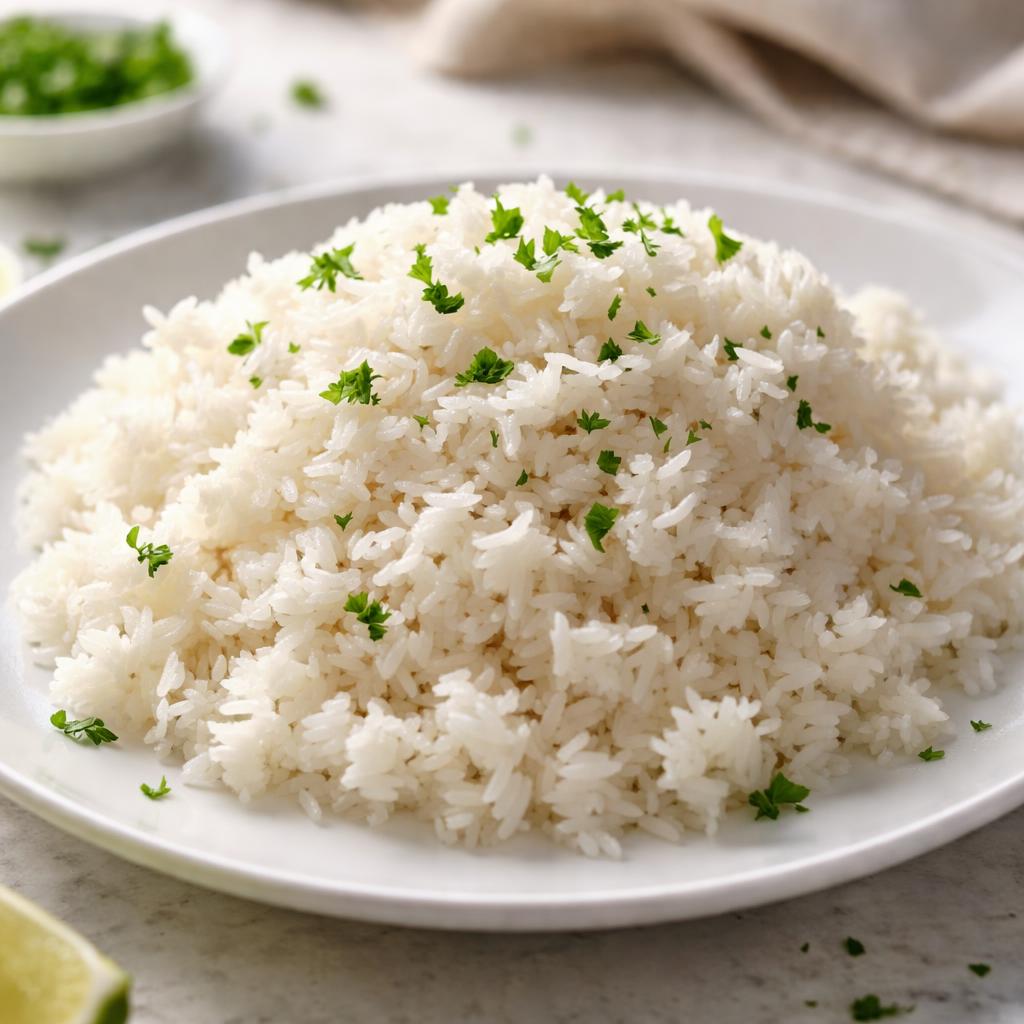
Cooked Rice
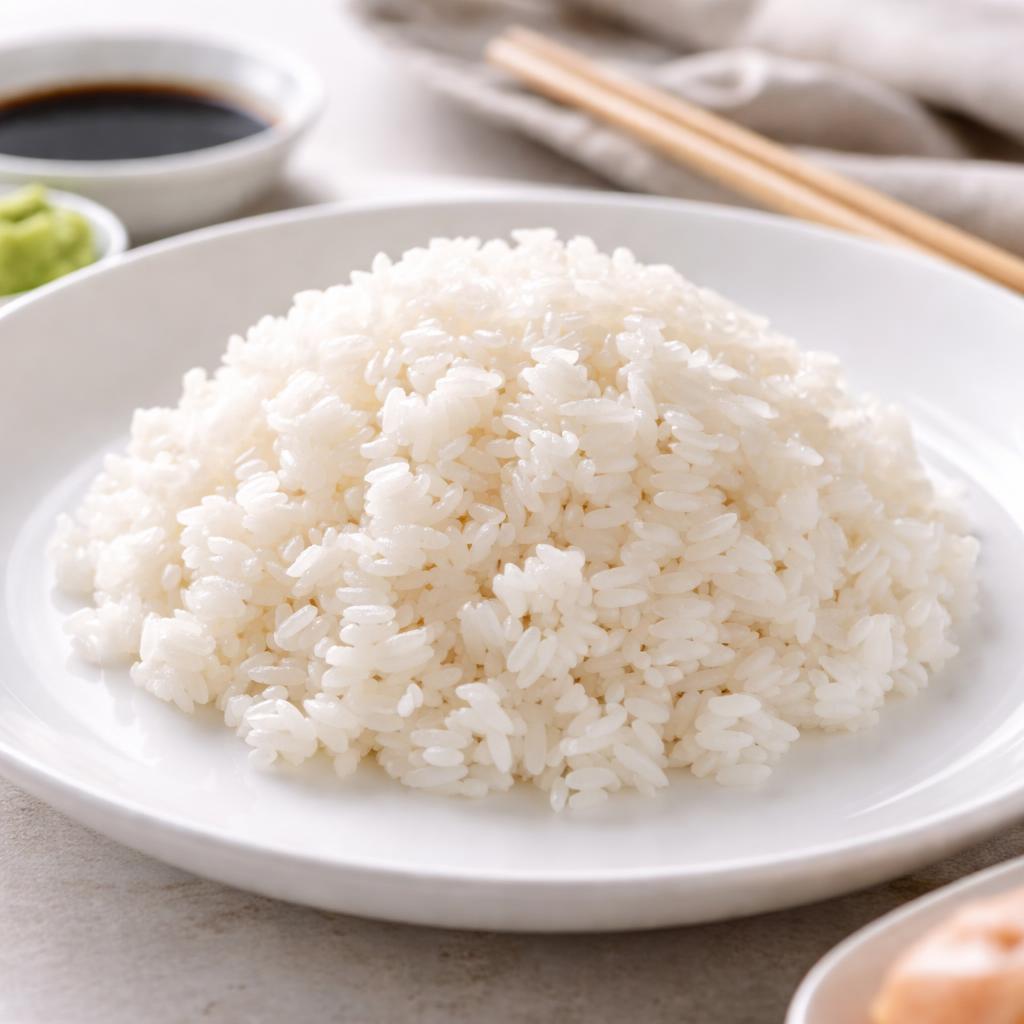
Sushi Rice
🎯 Quick Verdict
Cooked rice has slightly lower calories, higher protein, and more fiber than sushi rice, making it better for weight control and digestive health. Sushi rice, on the other hand, is slightly more calorie dense and enriched for better flavor, ideal for high-energy meals and culinary purposes such as sushi preparation.

Smart Nutrition Tracking with SnapCalorie

📊 Nutritional Comparison
Macronutrients
| Nutrient | Food 1 | Food 2 | Winner |
|---|---|---|---|
| Calories | 130 (per 100g) | 150 (per 100g) | ✓ |
| Protein | 2.7g (per 100g) | 2.2g (per 100g) | ✓ |
| Carbs | 28.2g (per 100g) | 34g (per 100g) | ✓ |
| Fat | 0.3g (per 100g) | 0.4g (per 100g) | ✓ |
| Fiber | 0.4g (per 100g) | 0.2g (per 100g) | ✓ |
Vitamins & Minerals
| Nutrient | Food 1 | Food 2 | Winner |
|---|---|---|---|
| Vitamin D | 0mcg | 0mcg | − |
| Calcium | 10mg (per 100g) | 5mg (per 100g) | ✓ |
| Iron | 0.2mg (per 100g) | 0.1mg (per 100g) | ✓ |
🏆 Category Winners
Protein
Cooked rice has 23% more protein per 100g serving.
Fiber
Cooked rice contains twice as much fiber, aiding digestion.
Calories
Cooked rice has 14% fewer calories than sushi rice.
Vitamins
Cooked rice has slightly more calcium and iron.
🥗 Diet Compatibility
Keto
Food 1: Not Compatible
Food 2: Not Compatible
Both are high-carb foods unsuitable for keto diets.
Vegan
Food 1: Compatible
Food 2: Compatible
Both are plant-based and suitable for vegans.
Gluten Free
Food 1: Compatible
Food 2: Compatible
Neither contains gluten naturally.
Paleo
Food 1: Not Compatible
Food 2: Not Compatible
White rice is generally not approved for paleo diets.
Low Carb
Food 1: Not Compatible
Food 2: Not Compatible
Both foods are high in carbohydrates.
💪 Health Benefits Comparison
Food 1 Benefits
- Lower in calories, beneficial for weight management
- Higher fiber content supports digestion
- Contains more protein for muscle maintenance
Food 2 Benefits
- Slightly higher carbs, providing sustained energy
- Flavor-enriched for versatile culinary uses
- Easy digestibility for quick energy replenishment
✅ The Bottom Line
Cooked rice is better for those managing weight, needing more fiber, or seeking higher protein content. Sushi rice is better suited for energy-dense meals, sushi preparation, or dishes requiring enriched flavor and texture.
Choose Food 1 for: Weight management, digestive health, general meals
Choose Food 2 for: Sushi preparation, high-energy meals, culinary versatility


