Cooked Rice VS Soba Noodles
A detailed nutritional comparison
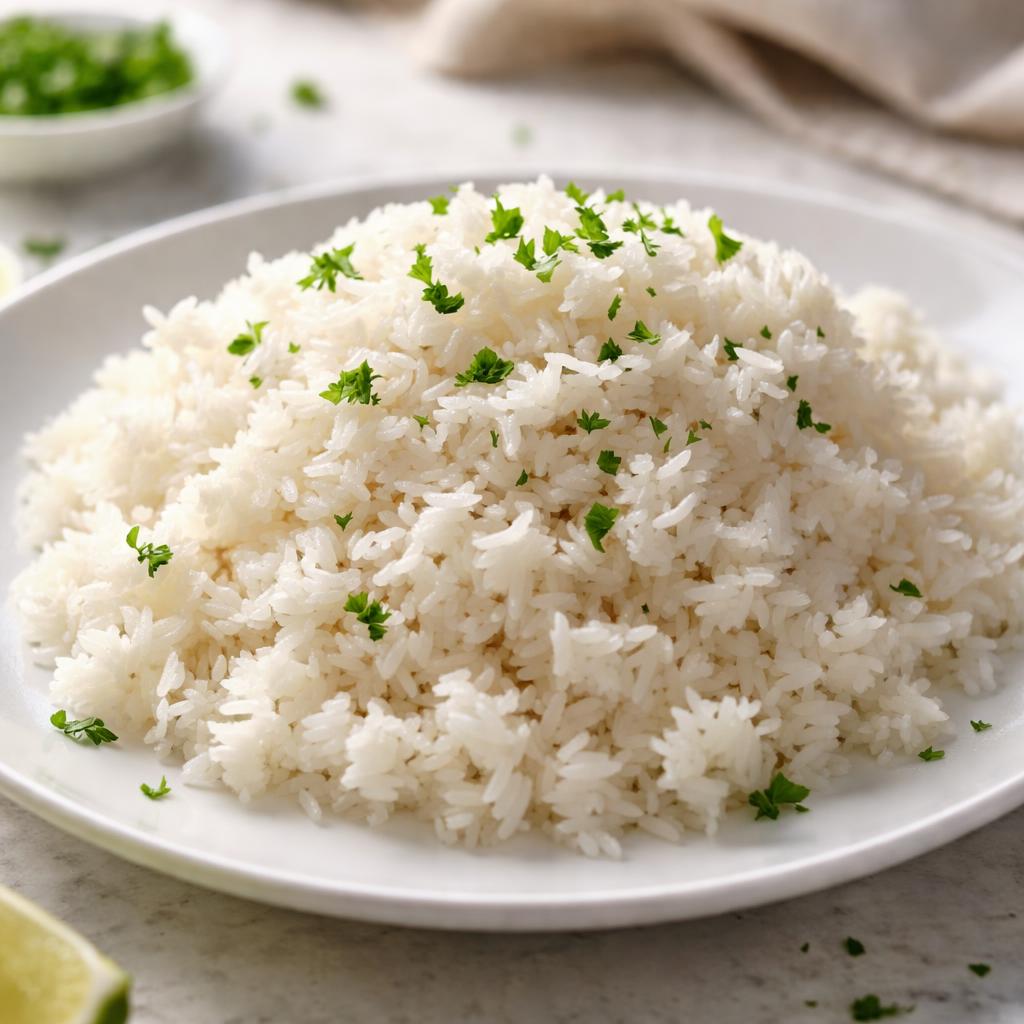
Cooked Rice
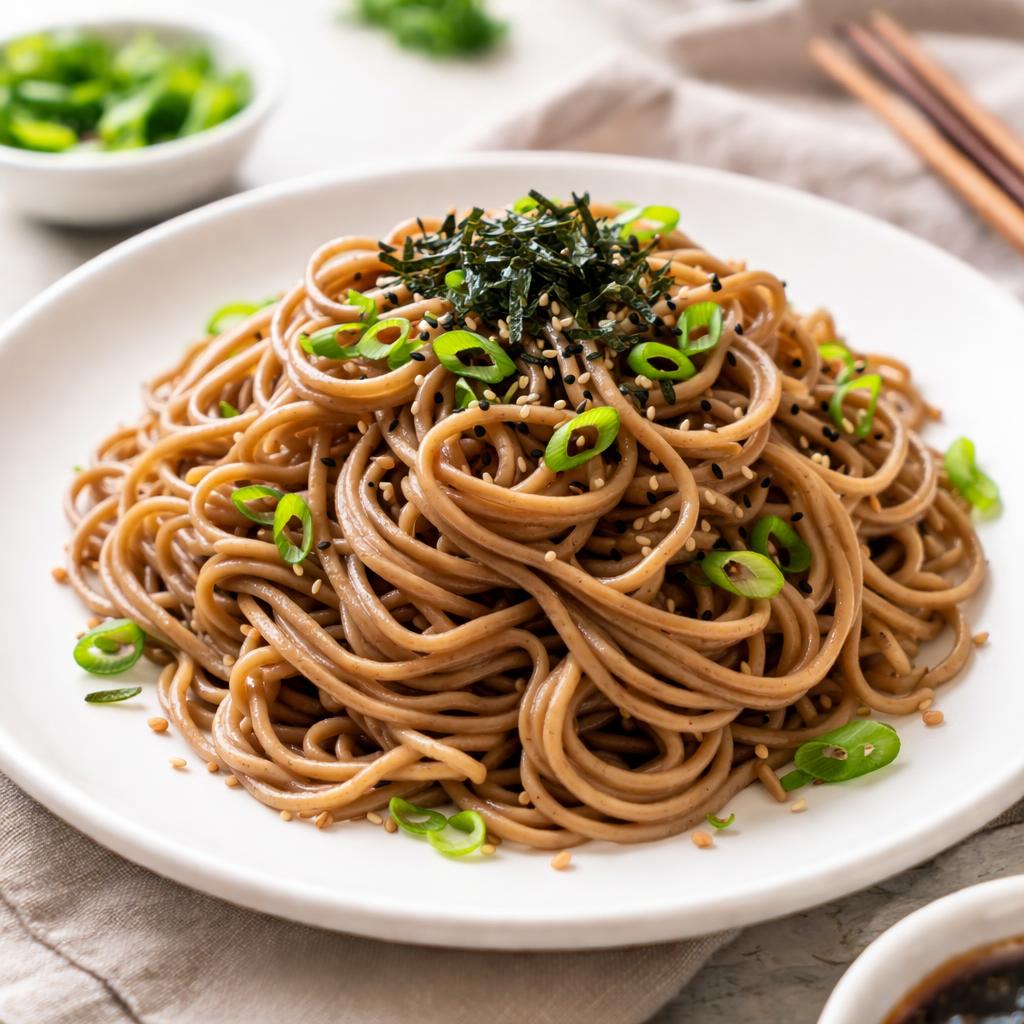
Soba Noodles
🎯 Quick Verdict
Soba noodles are more nutrient-dense than cooked rice, offering higher protein, fiber, and micronutrients like iron. Cooked rice has fewer calories, making it a better choice for low-calorie diets. Both foods are useful for energy but cater to slightly different nutritional goals.

Smart Nutrition Tracking with SnapCalorie

📊 Nutritional Comparison
Macronutrients
| Nutrient | Food 1 | Food 2 | Winner |
|---|---|---|---|
| Calories | 130 per 100g | 99 per 100g | ✓ |
| Protein | 2.7g per 100g | 5g per 100g | ✓ |
| Carbs | 28.2g per 100g | 21.4g per 100g | ✓ |
| Fat | 0.28g per 100g | 0.4g per 100g | ✓ |
| Fiber | 0.4g per 100g | 1.8g per 100g | ✓ |
Vitamins & Minerals
| Nutrient | Food 1 | Food 2 | Winner |
|---|---|---|---|
| Vitamin B1 (Thiamine) | 0.02mg per 100g | 0.1mg per 100g | ✓ |
| Iron | 0.2mg per 100g | 1.3mg per 100g | ✓ |
| Magnesium | 12mg per 100g | 63mg per 100g | ✓ |
🏆 Category Winners
Protein
Soba noodles contain nearly twice the protein compared to cooked rice per 100g.
Fiber
Soba noodles have 4x more fiber than cooked rice, promoting better digestion.
Calories
Cooked rice has 25% fewer calories, making it favorable for lower-calorie diets.
Vitamins
Soba noodles provide greater amounts of iron and magnesium, contributing more towards micronutrient intake.
🥗 Diet Compatibility
Keto
Food 1: Not Compatible
Food 2: Not Compatible
Both have high carbohydrate content.
Vegan
Food 1: Compatible
Food 2: Compatible
Neither contains animal products.
Gluten Free
Food 1: Compatible
Food 2: Not Compatible
Cooked rice is gluten-free, while soba noodles often include wheat flour.
Paleo
Food 1: Compatible
Food 2: Not Compatible
Rice is allowed under loose Paleo guidelines, soba noodles are not due to wheat content.
Low-Carb
Food 1: Not Compatible
Food 2: Not Compatible
Both foods are carb-rich, not suitable for low-carb diets.
💪 Health Benefits Comparison
Food 1 Benefits
- Low in calories, great for weight management
- Provides quick energy due to high carbohydrate content
- Gluten-free, suitable for gluten intolerance
Food 2 Benefits
- Higher protein content supports muscle repair and maintenance
- Rich in fiber for improved digestion and gut health
- Contains magnesium and iron for energy production and overall health
✅ The Bottom Line
Choose soba noodles for enhanced nutrition with more protein, fiber, and minerals, especially for energy and digestive health. Opt for cooked rice for lower-calorie meals or if dietary simplicity like gluten-free eating is essential.
Choose Food 1 for: Low-calorie meals, gluten-free diets, simple carb energy
Choose Food 2 for: Protein-rich diets, digestion support, nutrient-packed meals


