Cooked Rice VS Mixed Rice
A detailed nutritional comparison
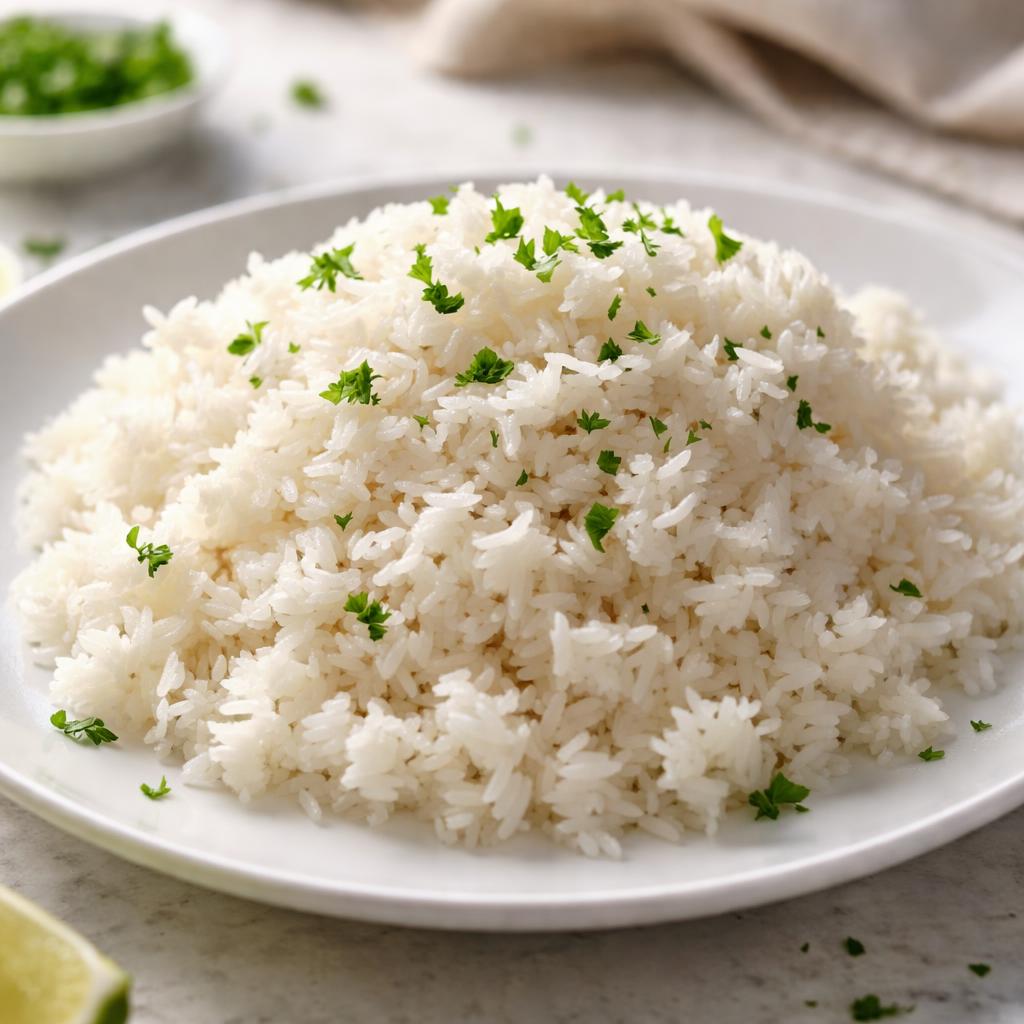
Cooked Rice
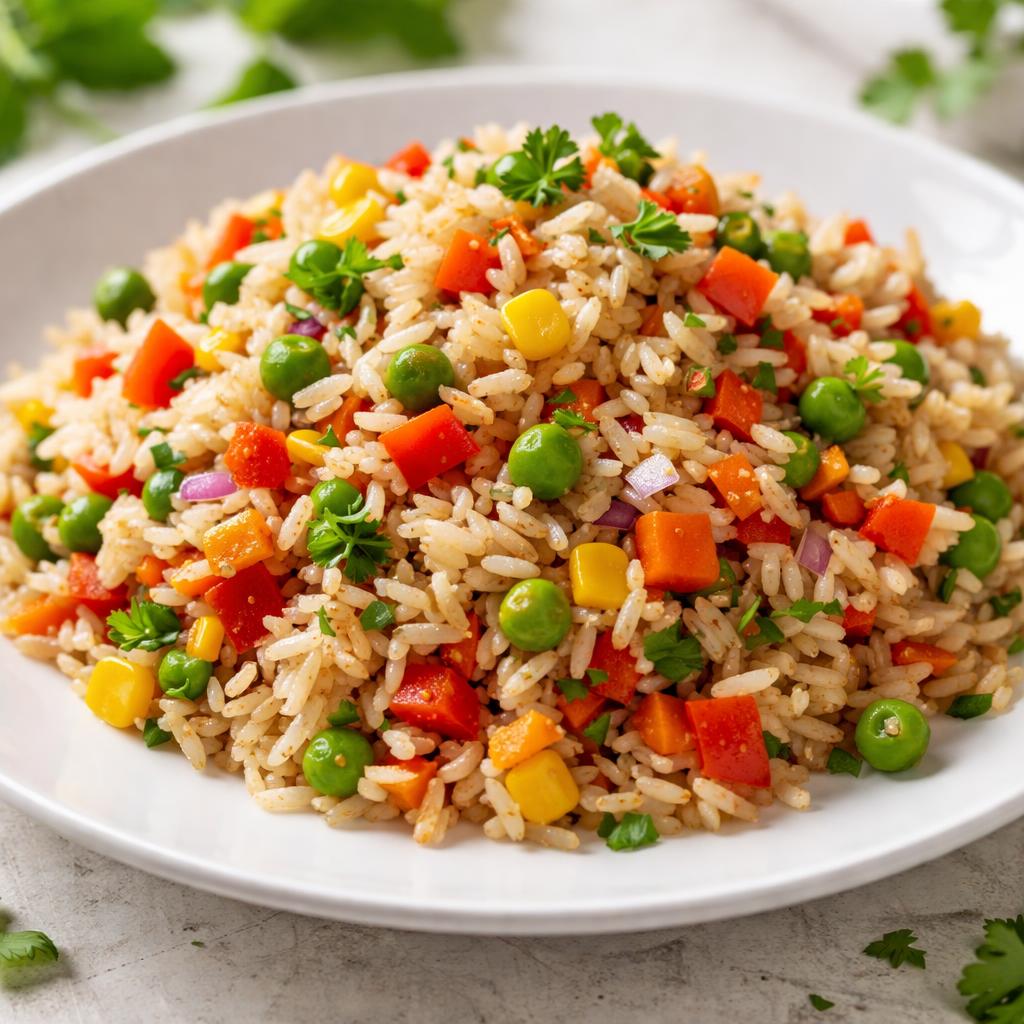
Mixed Rice
🎯 Quick Verdict
Cooked rice and mixed rice differ in their nutritional composition. Mixed rice, which typically includes different grains such as brown rice, quinoa, or wild rice, offers more protein and fiber per serving, while cooked white rice is lower in calories. Choose cooked rice for easier digestion and energy during active days, and mixed rice for enhanced nutrient density and better overall health benefits.

Smart Nutrition Tracking with SnapCalorie

📊 Nutritional Comparison
Macronutrients
| Nutrient | Food 1 | Food 2 | Winner |
|---|---|---|---|
| Calories | 130 | 160 | ✓ |
| Protein | 2.7g | 6g | ✓ |
| Carbs | 28g | 30g | ✓ |
| Fat | 0.3g | 2g | ✓ |
| Fiber | 0.4g | 2.5g | ✓ |
Vitamins & Minerals
| Nutrient | Food 1 | Food 2 | Winner |
|---|---|---|---|
| Vitamin B1 | 0.02mg | 0.1mg | ✓ |
| Magnesium | 7mg | 40mg | ✓ |
| Iron | 0.2mg | 0.7mg | ✓ |
🏆 Category Winners
Protein
Mixed rice has more than double the protein content compared to cooked rice.
Fiber
Mixed rice contains 5x more fiber than cooked rice.
Calories
Cooked rice is 19% lower in calories.
🥗 Diet Compatibility
Keto
Food 1: Not Compatible
Food 2: Not Compatible
Both are high in carbs and unsuitable for keto diets.
Vegan
Food 1: Compatible
Food 2: Compatible
Both are plant-based grains.
Gluten Free
Food 1: Compatible
Food 2: Compatible
Neither contains gluten.
Paleo
Food 1: Not Compatible
Food 2: Possibly Compatible
Cooked rice is excluded from paleo diets, but some mixed rice blends may include paleo-approved grains like quinoa.
Low-Carb
Food 1: Not Compatible
Food 2: Not Compatible
Both have over 25g of carbs per serving.
💪 Health Benefits Comparison
Food 1 Benefits
- Quick source of energy due to high carbohydrate content
- Easy digestion, suitable for sensitive stomachs
- Low in fat
Food 2 Benefits
- Higher protein content supports muscle growth and repair
- Excellent source of fiber for improved digestion
- Rich in vitamins and minerals for better nutrient intake
✅ The Bottom Line
Cooked rice is a simple, low-calorie option ideal for energy and digestion, while mixed rice offers superior nutrient density, making it better for protein, fiber, and minerals. Choose cooked rice for light meals and mixed rice for balanced nutrition and sustained energy.
Choose Food 1 for: Quick energy, low-calorie meals, simple digestion
Choose Food 2 for: Balanced nutrition, higher fiber and protein, nutrient density


