Cooked Rice VS Japanese Rice
A detailed nutritional comparison
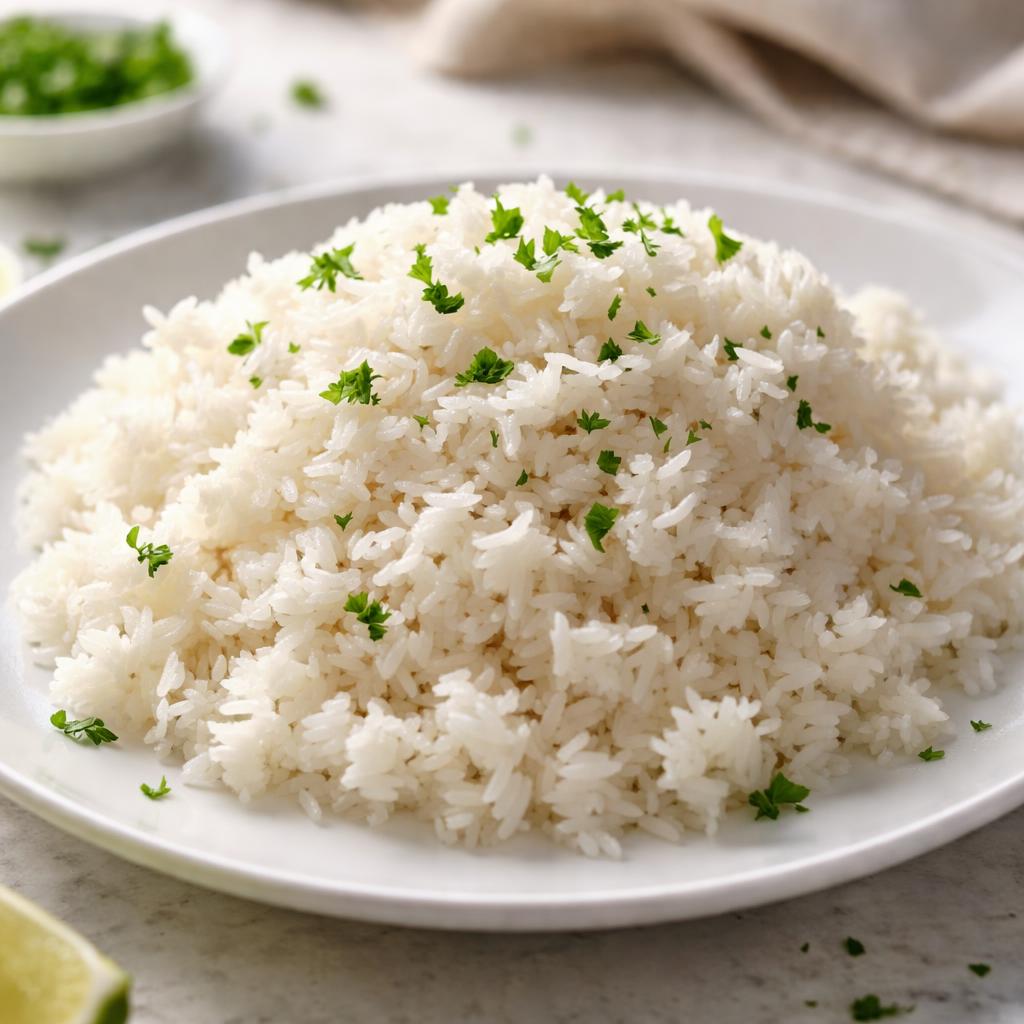
Cooked Rice
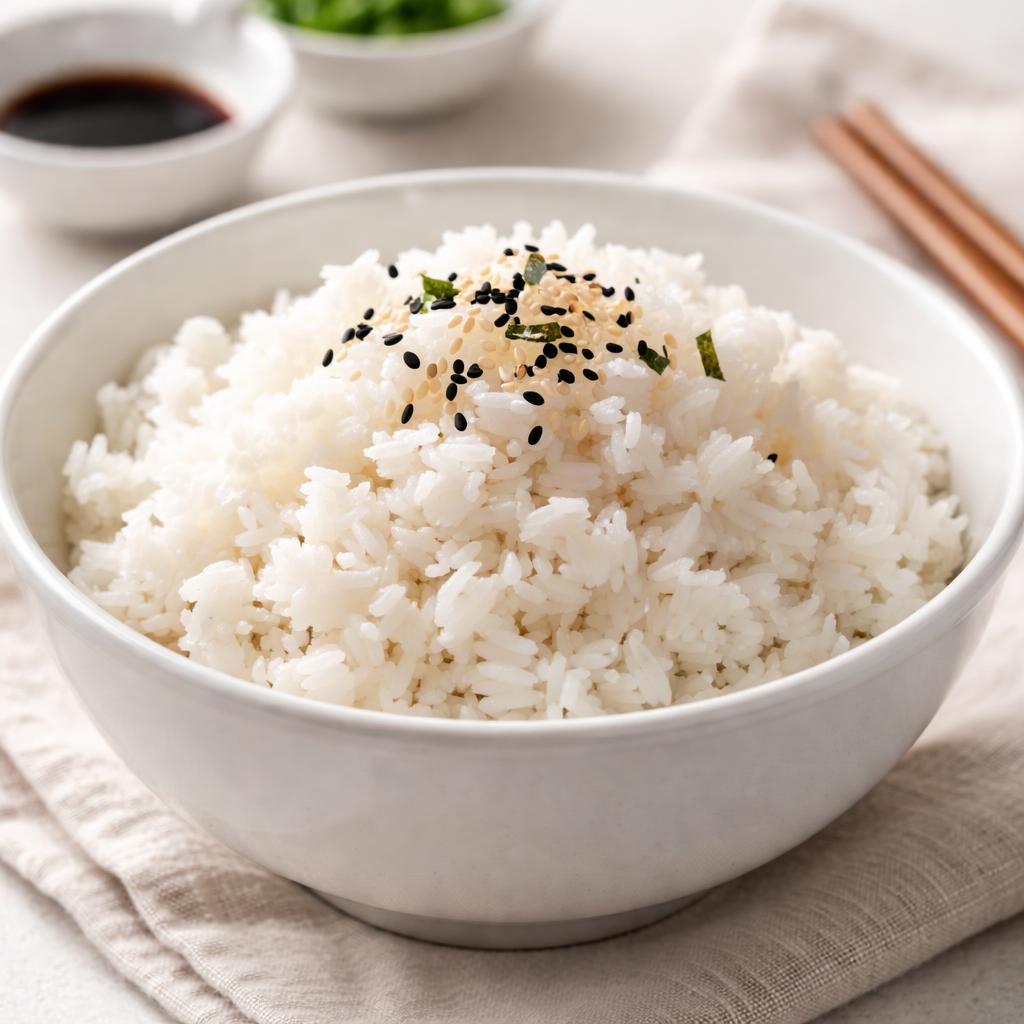
Japanese Rice
🎯 Quick Verdict
While both cooked rice and Japanese rice are similar, Japanese rice slightly edges out on protein content, making it a better choice for muscle maintenance. Cooked rice has fewer calories per serving, ideal for weight management. Fiber content is similar in both, supporting digestive health. Choose cooked rice for calorie-conscious meals and Japanese rice for nutrient density and flavor-rich textures.

Smart Nutrition Tracking with SnapCalorie

📊 Nutritional Comparison
Macronutrients
| Nutrient | Food 1 | Food 2 | Winner |
|---|---|---|---|
| Calories | 130 | 150 | ✓ |
| Protein | 2.7g | 3g | ✓ |
| Carbs | 28g | 33g | ✓ |
| Fat | 0.3g | 0.5g | ✓ |
| Fiber | 0.4g | 0.4g | − |
Vitamins & Minerals
| Nutrient | Food 1 | Food 2 | Winner |
|---|---|---|---|
| Vitamin D | 0mcg | 0mcg | − |
| Calcium | 10mg | 12mg | ✓ |
| Iron | 0.2mg | 0.2mg | − |
🏆 Category Winners
Protein
Japanese rice has slightly more protein per serving, supporting muscle growth.
Fiber
Both cooked rice and Japanese rice offer 0.4g of fiber per serving.
Calories
Cooked rice is lower-calorie, better for calorie-conscious diets.
🥗 Diet Compatibility
Keto
Food 1: Not Compatible
Food 2: Not Compatible
Both are high-carb, unsuitable for keto diets.
Vegan
Food 1: Compatible
Food 2: Compatible
Both foods are plant-based and fit vegan diets.
Gluten Free
Food 1: Compatible
Food 2: Compatible
Neither contains gluten, making them safe for gluten-free diets.
Paleo
Food 1: Not Compatible
Food 2: Not Compatible
Rice is not allowed on strict paleo diets.
Low Carb
Food 1: Not Compatible
Food 2: Not Compatible
Both foods are high-carb and unsuitable for low-carb diets.
💪 Health Benefits Comparison
Food 1 Benefits
- Lower calorie option for weight management
- Provides quick energy from high-quality carbohydrates
- Easy to digest, making it suitable for sensitive stomachs
Food 2 Benefits
- Slightly higher in protein for muscle maintenance
- Rich texture and flavor, supporting enjoyable meals
- Contains small amounts of calcium for bone health
✅ The Bottom Line
Cooked rice is a better option for those looking to reduce calorie intake or follow a light diet. On the other hand, Japanese rice provides slightly more protein and calcium, making it a better choice for nutrient density and enhancing meal satisfaction. Both are great energy sources, but choose based on your nutritional and culinary preferences.
Choose Food 1 for: Weight loss, quick digestibility, light meals
Choose Food 2 for: Nutrient-dense meals, muscle maintenance, flavorful dishes


