Cooked Quinoa VS Pasta With Tomato Sauce And Cheese
A detailed nutritional comparison
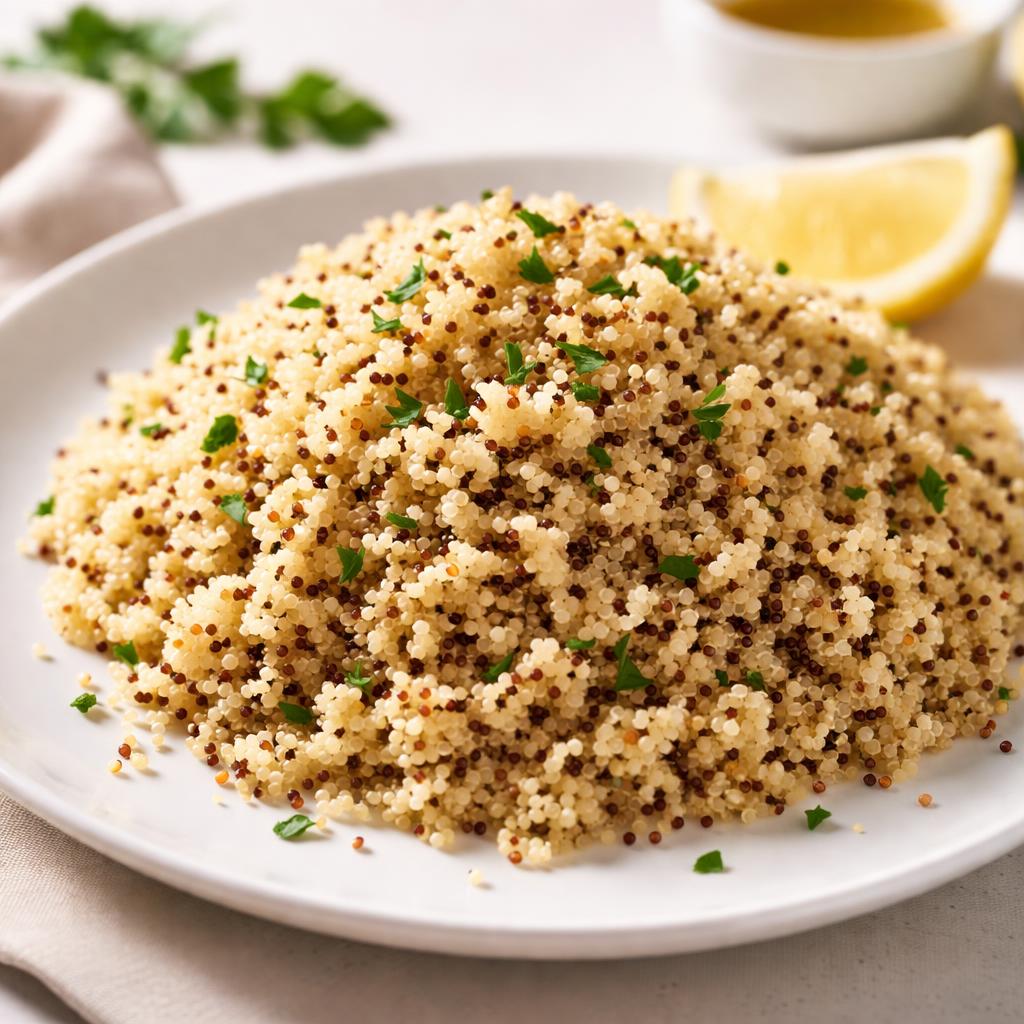
Cooked Quinoa
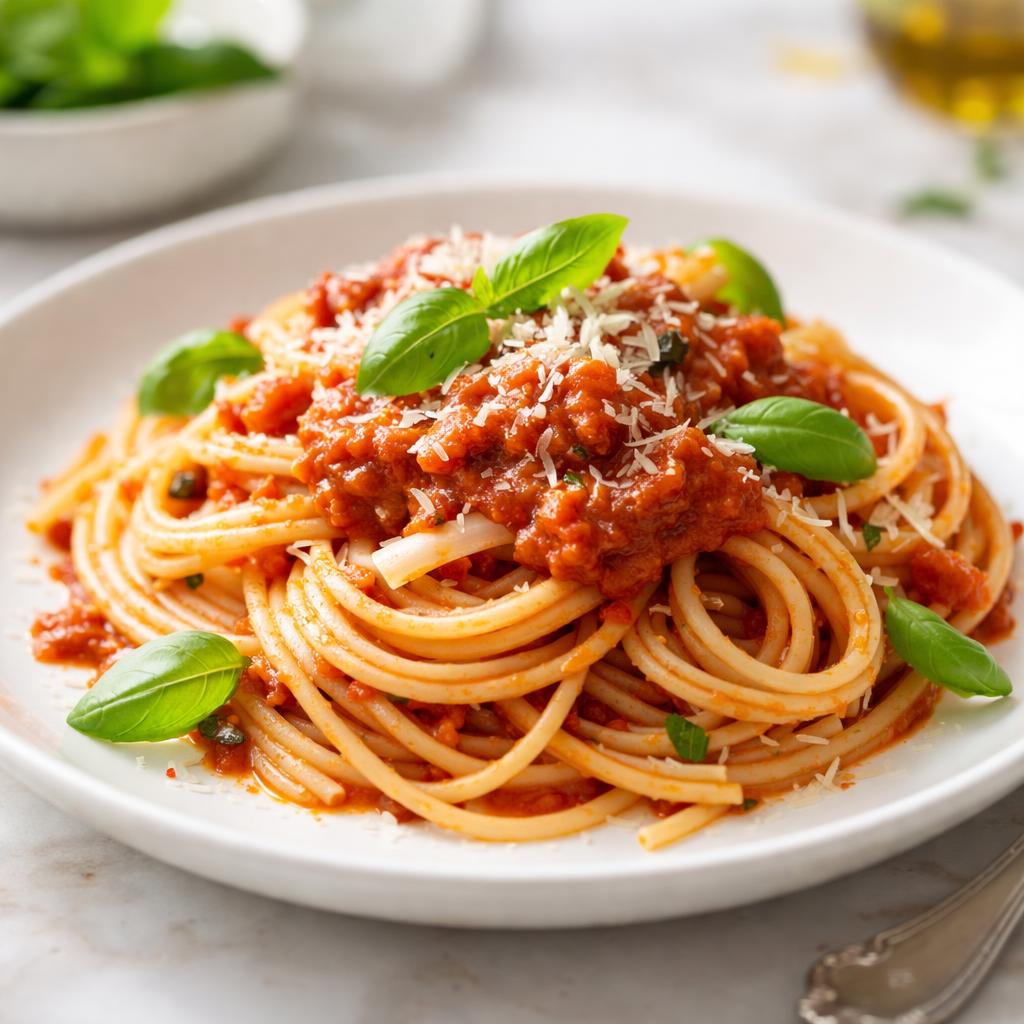
Pasta With Tomato Sauce And Cheese
🎯 Quick Verdict
Cooked quinoa is a nutrient-dense, high-protein and high-fiber option that supports balanced diets and digestion, while pasta with tomato sauce and cheese is higher in calories and provides comfort food qualities but lacks fiber. Quinoa is ideal for light meals or dietary plans focusing on weight loss or heart health, while pasta is a better choice for indulging in hearty, energy-rich meals.

Smart Nutrition Tracking with SnapCalorie

📊 Nutritional Comparison
Macronutrients
| Nutrient | Food 1 | Food 2 | Winner |
|---|---|---|---|
| Calories | 120 | 250 | ✓ |
| Protein | 4g | 6g | ✓ |
| Carbs | 21g | 35g | ✓ |
| Fat | 2g | 9g | ✓ |
| Fiber | 2.5g | 1g | ✓ |
Vitamins & Minerals
| Nutrient | Food 1 | Food 2 | Winner |
|---|---|---|---|
| Vitamin D | 0mcg | 1mcg | ✓ |
| Calcium | 15mg | 100mg | ✓ |
| Iron | 1.3mg | 1mg | ✓ |
🏆 Category Winners
Protein
Pasta with cheese offers 50% more protein due to cheese content.
Fiber
Quinoa provides 150% more fiber than pasta per serving.
Calories
Quinoa has more than 50% fewer calories per serving compared to pasta.
Vitamins
Pasta with tomato sauce and cheese is richer in calcium and vitamin D.
🥗 Diet Compatibility
Keto
Food 1: Not Compatible
Food 2: Not Compatible
Both foods are high in carbohydrates.
Vegan
Food 1: Compatible
Food 2: Not Compatible
Pasta with cheese contains dairy.
Gluten Free
Food 1: Compatible
Food 2: Not Compatible
Quinoa is naturally gluten-free while pasta may contain gluten.
Paleo
Food 1: Not Compatible
Food 2: Not Compatible
Both include grains or processed components that are not paleo-friendly.
Low Carb
Food 1: Not Compatible
Food 2: Not Compatible
Both foods exceed carb limits for low-carb diets.
💪 Health Benefits Comparison
Food 1 Benefits
- Complete protein source with all essential amino acids
- High in anti-inflammatory antioxidants
- Rich in magnesium and potassium, supporting heart health
- Naturally gluten-free and easy to digest
Food 2 Benefits
- Provides energy through carbohydrates for active lifestyles
- Calcium from cheese supports strong bones
- Vitamin D boosts immunity and bone health
- Tomato sauce contains lycopene, an antioxidant linked to reduced heart disease risk
✅ The Bottom Line
Choose quinoa for a lighter, nutrient-dense option that prioritizes protein, fiber, and digestion. Pasta with tomato sauce and cheese is best for indulgent, calorie-dense meals that offer quick energy and calcium from cheese. Both foods have specific roles depending on dietary goals and preferences.
Choose Food 1 for: Weight loss, plant-based diets, gluten-free meals
Choose Food 2 for: Comfort food cravings, energy for active lifestyles, calcium intake


