Cooked Pasta VS Whole Wheat Spaghetti
A detailed nutritional comparison
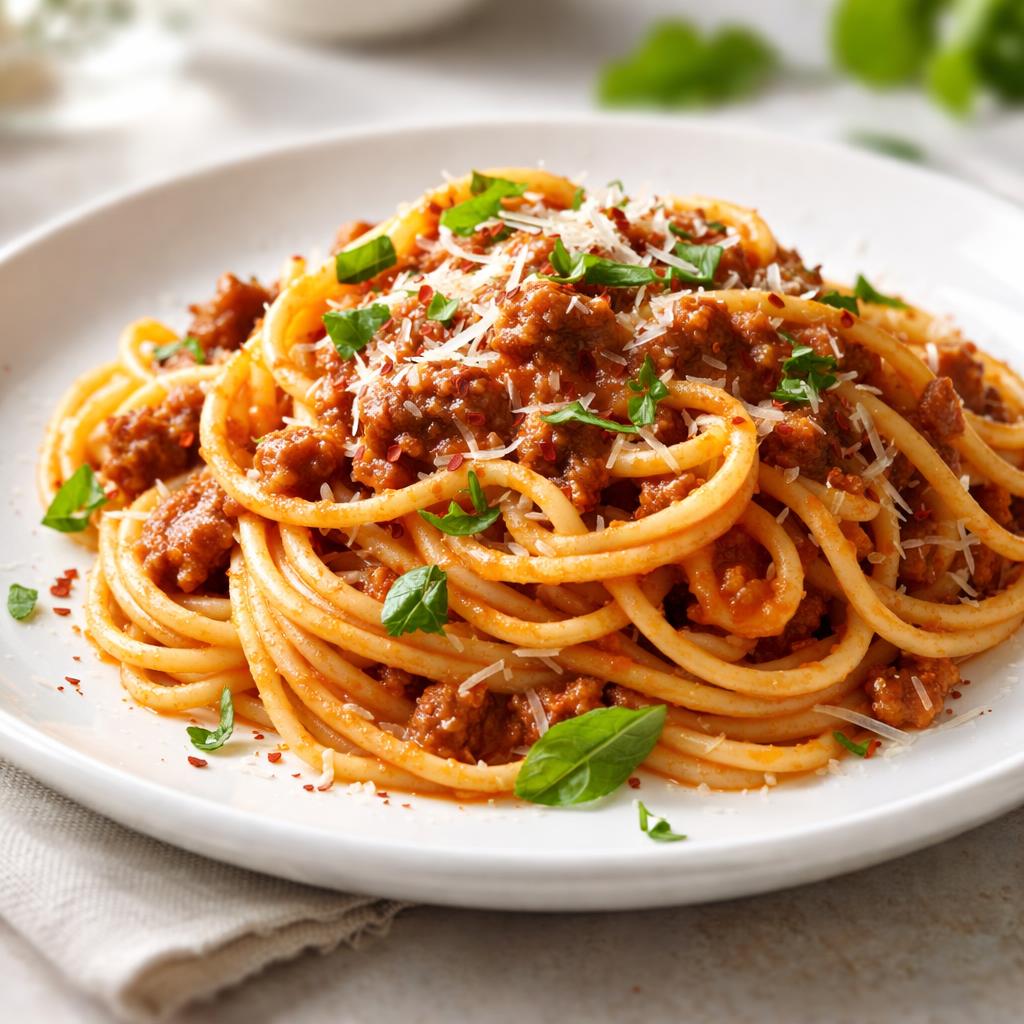
Cooked Pasta
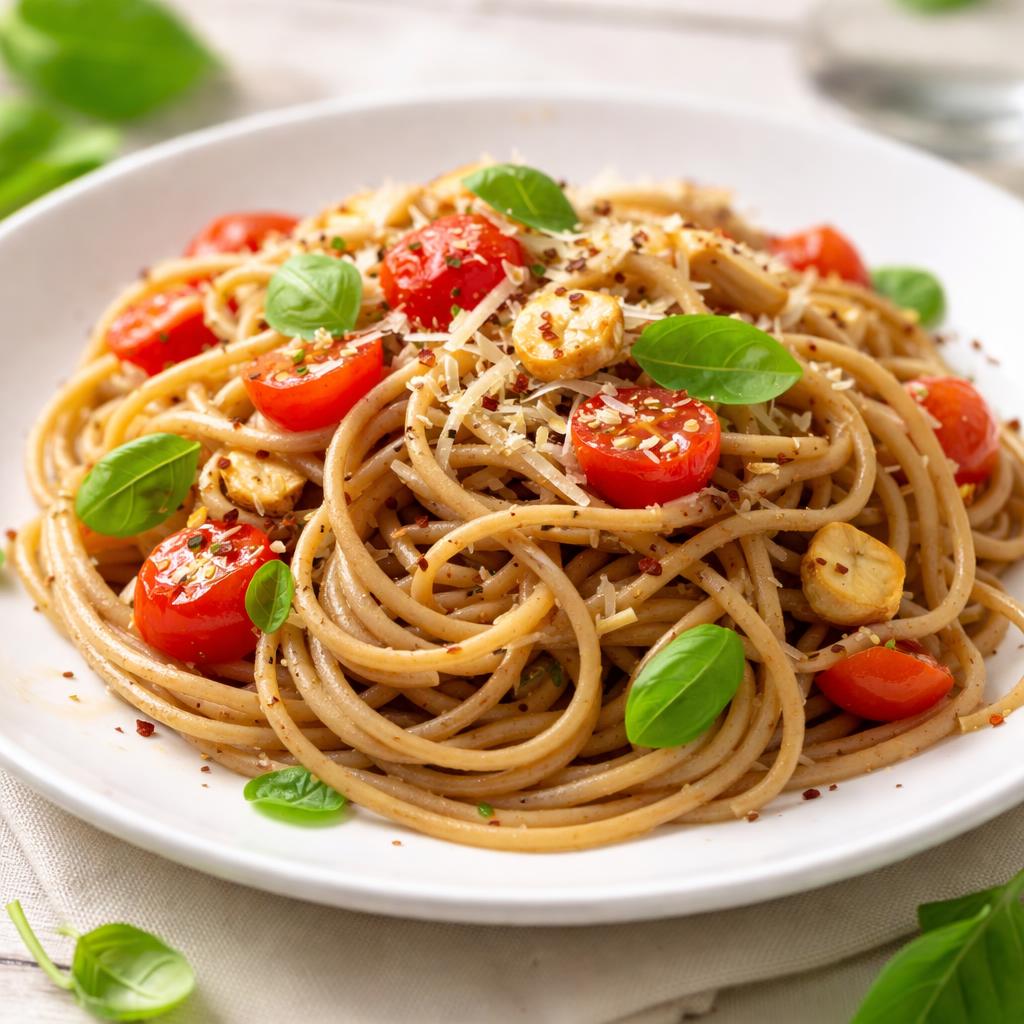
Whole Wheat Spaghetti
🎯 Quick Verdict
Whole wheat spaghetti is nutritionally superior to cooked pasta, offering more protein, fiber, and lower calorie content per serving. Cooked pasta may be better for those seeking a lighter, less nutrient-dense option, while whole wheat spaghetti shines for balanced diets aiming for more nutrients and satiety support.

Smart Nutrition Tracking with SnapCalorie

📊 Nutritional Comparison
Macronutrients
| Nutrient | Food 1 | Food 2 | Winner |
|---|---|---|---|
| Calories | 220 | 174 | ✓ |
| Protein | 8g | 7.5g | ✓ |
| Carbs | 43g | 37g | ✓ |
| Fat | 1.3g | 1.0g | ✓ |
| Fiber | 1.3g | 6g | ✓ |
Vitamins & Minerals
| Nutrient | Food 1 | Food 2 | Winner |
|---|---|---|---|
| Vitamin B1 (Thiamin) | 0.14mg | 0.10mg | ✓ |
| Magnesium | 12mg | 44mg | ✓ |
| Iron | 0.5mg | 1.9mg | ✓ |
🏆 Category Winners
Protein
Whole wheat spaghetti is slightly higher in protein and contains more essential amino acids.
Fiber
Whole wheat spaghetti has over 350% more dietary fiber than cooked pasta.
Calories
Whole wheat spaghetti has approximately 20% fewer calories per serving compared to regular cooked pasta.
Vitamins
Whole wheat spaghetti is richer in iron and magnesium, making it a better source of essential micronutrients.
🥗 Diet Compatibility
Keto
Food 1: Not Compatible
Food 2: Not Compatible
Both are high-carbohydrate foods not suitable for keto diets.
Vegan
Food 1: Compatible
Food 2: Compatible
Both are plant-based and suitable for vegan diets.
Gluten Free
Food 1: Not Compatible
Food 2: Not Compatible
Both contain gluten; neither is safe for gluten-free diets.
Paleo
Food 1: Not Compatible
Food 2: Not Compatible
Both are grain-based, which does not align with the paleo diet.
Low-Carb
Food 1: Not Compatible
Food 2: Not Compatible
Both have a high carbohydrate content, unsuitable for low-carb diets.
💪 Health Benefits Comparison
Food 1 Benefits
- Provides quick energy due to high carbohydrate content
- Low in fat, suitable for light meals
- Source of B vitamins for general metabolic support
Food 2 Benefits
- Higher fiber content supports digestive health and satiety
- Contains more iron and magnesium for improved nutrient density
- Supports longer-lasting energy due to slower digestion of complex carbs
✅ The Bottom Line
Whole wheat spaghetti outshines cooked pasta with more nutrients, fiber, and fewer calories. It is ideal for health-conscious, balanced diets or anyone aiming for satiety and sustained energy. Regular cooked pasta works better for lighter meals or as a quick, versatile base for dishes when nutritional content is of less concern.
Choose Food 1 for: Quick and versatile meals, lighter options, general carb needs
Choose Food 2 for: Balanced diets, higher satiety, nutrient density, long-term energy


