Cooked Pasta VS Macaroni Pasta
A detailed nutritional comparison
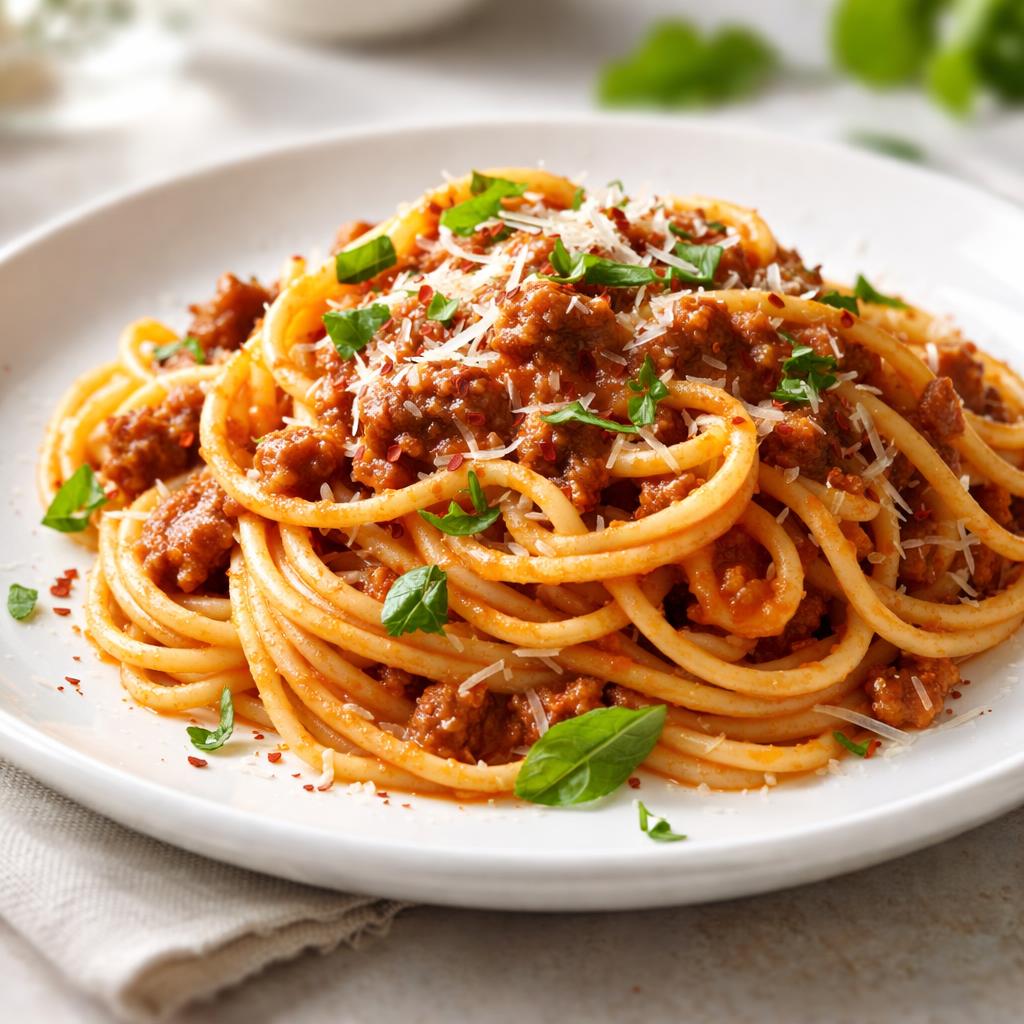
Cooked Pasta
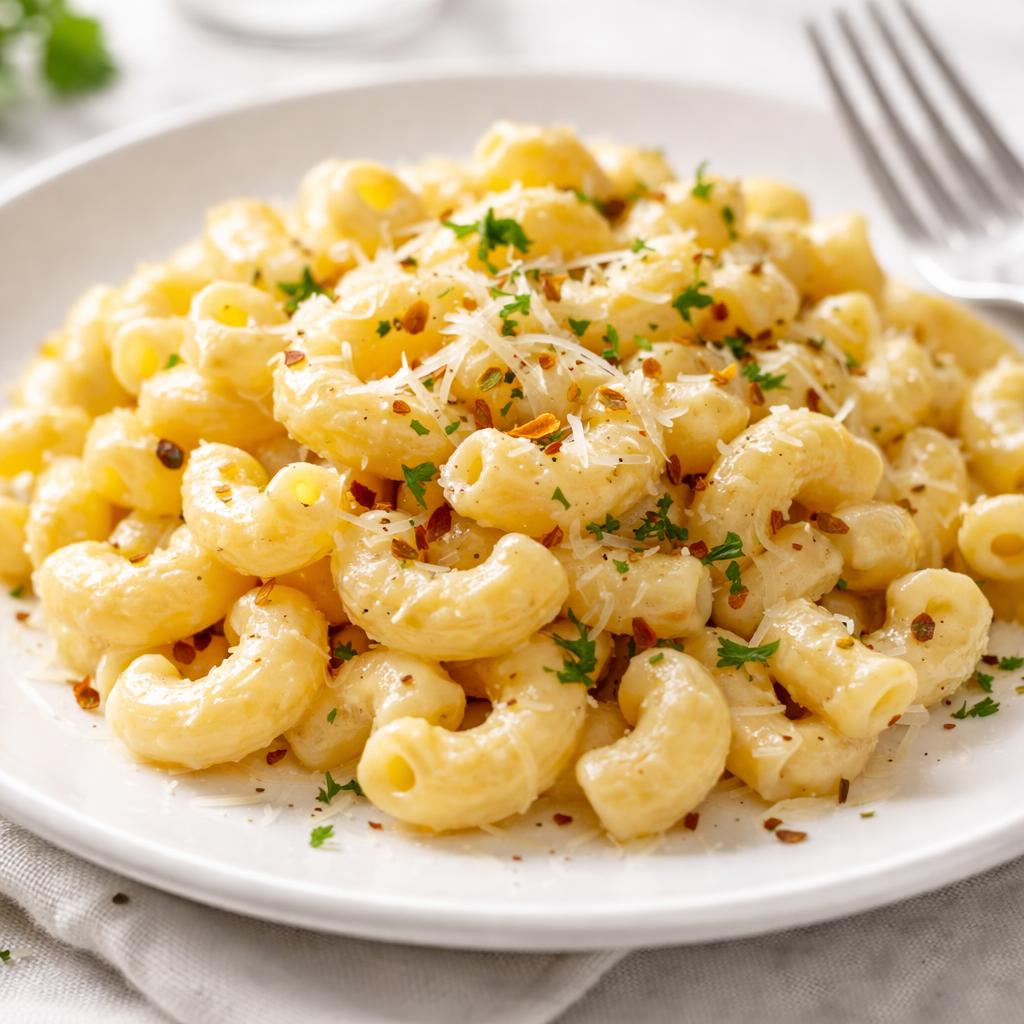
Macaroni Pasta
🎯 Quick Verdict
Cooked pasta and macaroni pasta are closely similar nutritionally, differing slightly in protein, fiber, and calorie content. Cooked pasta has lower calories and more fiber, making it better for digestion and calorie-conscious diets, while macaroni pasta provides slightly more protein, benefiting muscle health and repair. Both suit most diets, but cooked pasta edges out for weight loss, while macaroni pasta supports bodybuilding goals.

Smart Nutrition Tracking with SnapCalorie

📊 Nutritional Comparison
Macronutrients
| Nutrient | Food 1 | Food 2 | Winner |
|---|---|---|---|
| Calories | 131 | 157 | − |
| Protein | 5g | 6g | − |
| Carbs | 25g | 30g | − |
| Fat | 1g | 2g | − |
| Fiber | 1.8g | 1.3g | − |
Vitamins & Minerals
| Nutrient | Food 1 | Food 2 | Winner |
|---|---|---|---|
| Vitamin B1 (Thiamine) | 0.14mg | 0.12mg | − |
| Vitamin B3 (Niacin) | 0.9mg | 0.8mg | − |
| Iron | 1mg | 0.9mg | − |
🏆 Category Winners
Protein
Macaroni pasta provides 20% more protein per serving.
Fiber
Cooked pasta delivers 38% more fiber for improved digestion.
Calories
Cooked pasta has 17% fewer calories, better for weight management.
Vitamins
Cooked pasta offers higher levels of B vitamins and iron.
🥗 Diet Compatibility
Keto
Food 1: Unknown
Food 2: Unknown
Both are high-carb foods unsuitable for keto diets.
Vegan
Food 1: Unknown
Food 2: Unknown
Both are plant-based and free of animal products.
Gluten Free
Food 1: Unknown
Food 2: Unknown
Both contain wheat gluten; use gluten-free alternatives instead.
Paleo
Food 1: Unknown
Food 2: Unknown
Neither is paleo-friendly due to grains.
Low-Carb
Food 1: Unknown
Food 2: Unknown
Both have high carb content, exceeding low-carb thresholds.
💪 Health Benefits Comparison
Food 1 Benefits
Food 2 Benefits
✅ The Bottom Line
Cooked pasta is ideal for individuals looking to cut calories, boost fiber intake, and eat a lighter meal. Macaroni pasta, on the other hand, is better for higher protein needs, sustained energy, or post-exercise recovery due to its slightly higher protein and carbohydrate content. Both fit into vegan diets, but neither is suitable for keto, paleo, or gluten-free regimens.


