Cooked Pasta VS Lentil Pasta
A detailed nutritional comparison
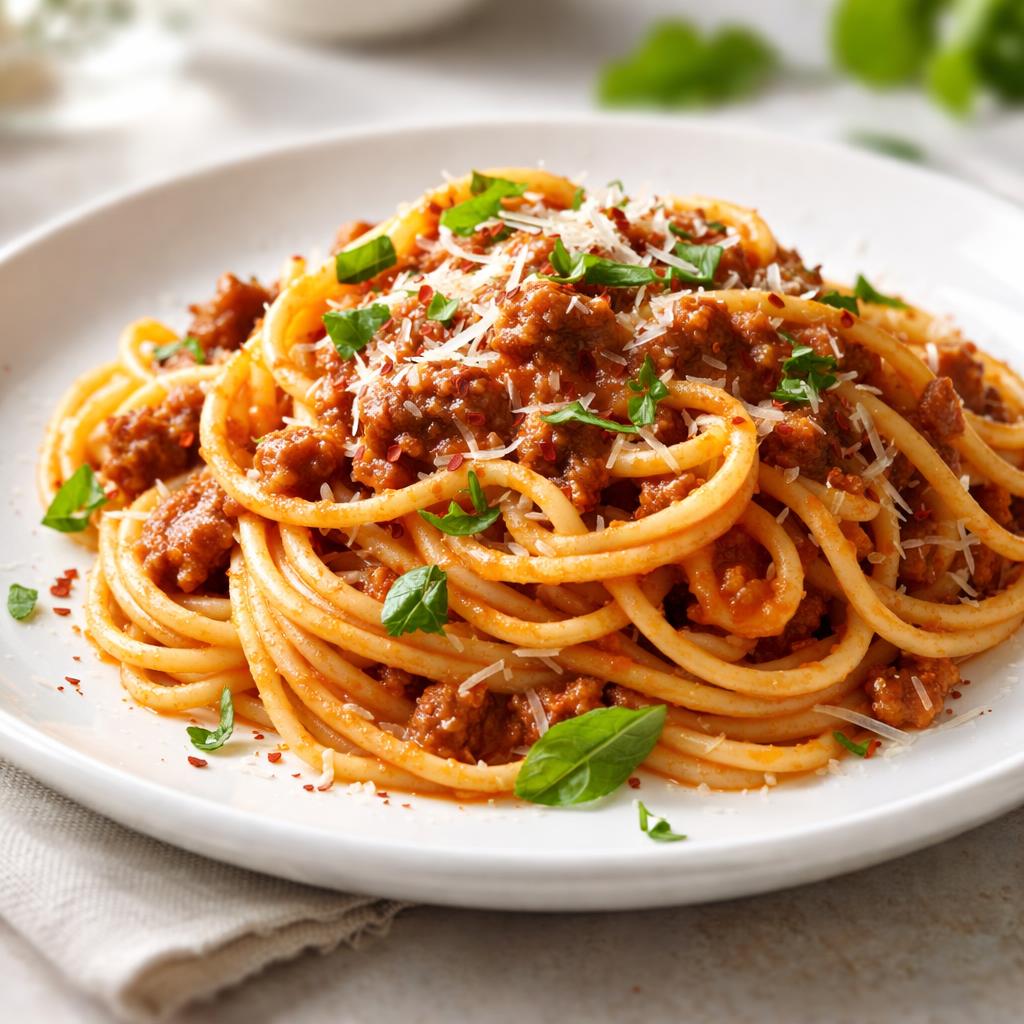
Cooked Pasta
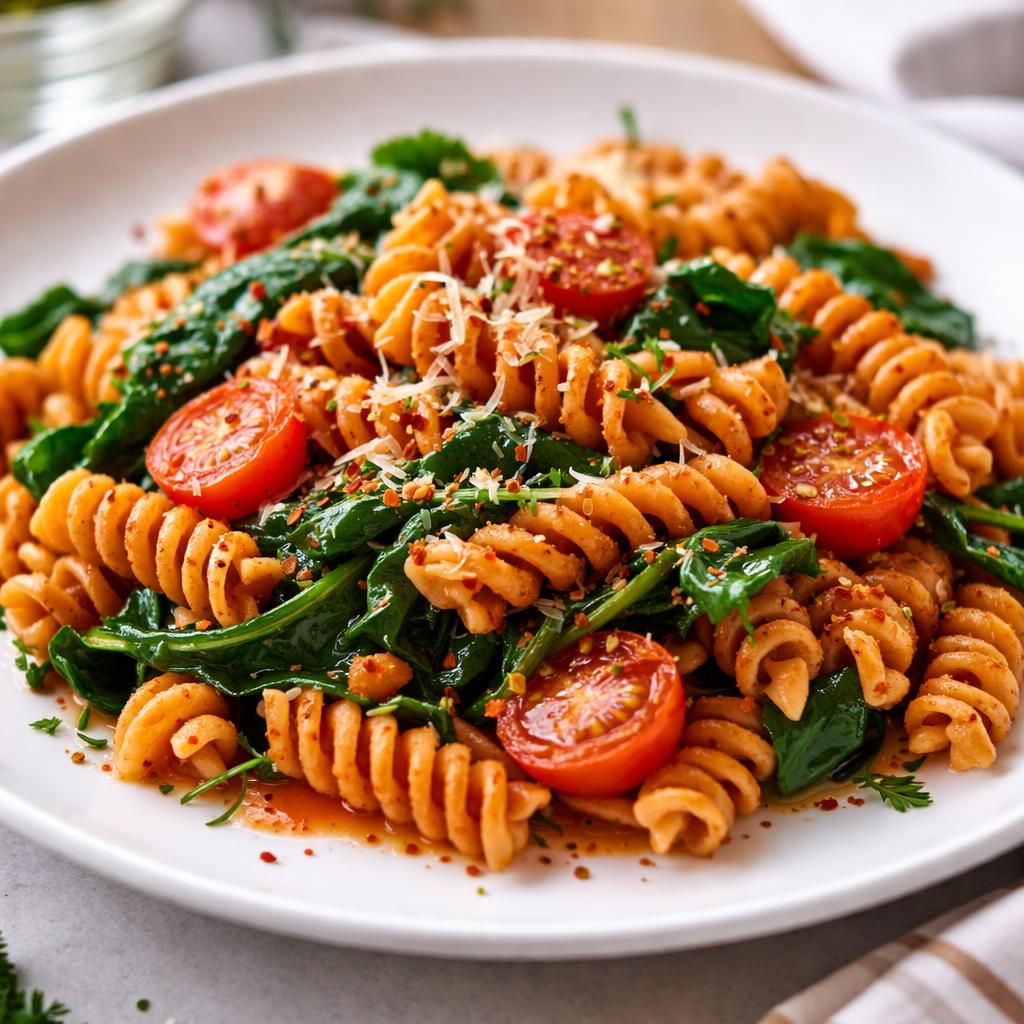
Lentil Pasta
🎯 Quick Verdict
Lentil pasta outshines cooked regular pasta in terms of nutritional benefits. It offers significantly more protein and fiber, making it a great choice for muscle maintenance and better digestion. Traditional pasta is slightly lower in carbohydrates and calories, but it lacks the protein and fiber density lentil pasta provides. Choose regular pasta for quick energy or lentil pasta for nutrient-dense meals.

Smart Nutrition Tracking with SnapCalorie

📊 Nutritional Comparison
Macronutrients
| Nutrient | Food 1 | Food 2 | Winner |
|---|---|---|---|
| Calories | 200 | 200 | − |
| Protein | 7g | 13g | ✓ |
| Carbs | 40g | 35g | ✓ |
| Fat | 1g | 2g | ✓ |
| Fiber | 2g | 6g | ✓ |
Vitamins & Minerals
| Nutrient | Food 1 | Food 2 | Winner |
|---|---|---|---|
| Iron | 0.5mg | 3mg | ✓ |
| Folate | 10mcg | 120mcg | ✓ |
| Magnesium | 20mg | 40mg | ✓ |
🏆 Category Winners
Protein
Food2 has approximately twice as much protein as traditional pasta per serving.
Fiber
Food2 contains three times the amount of fiber as food1, supporting gut health.
Calories
Both lentil pasta and regular pasta have roughly the same calorie content (200 calories per serving).
Vitamins
Lentil pasta provides more essential vitamins such as iron and folate, crucial for red blood cell production and overall nutrition.
🥗 Diet Compatibility
Keto
Food 1: Not Compatible
Food 2: Not Compatible
Both foods are too high in carbohydrates to fit into a keto diet.
Vegan
Food 1: Compatible
Food 2: Compatible
Both pastas are plant-based and align with vegan diets.
Gluten Free
Food 1: Not Compatible
Food 2: Compatible
Cooked pasta contains wheat gluten, while lentil pasta is naturally gluten-free.
Paleo
Food 1: Not Compatible
Food 2: Compatible
Regular pasta is not paleo due to its grain-based origin, but lentil pasta aligns with paleo principles.
Low-Carb
Food 1: Not Compatible
Food 2: Borderline Compatible
Neither is strictly low-carb, but lentil pasta has fewer carbs than traditional pasta.
💪 Health Benefits Comparison
Food 1 Benefits
- Provides quick, digestible carbohydrates for energy
- Low in fat, suitable for low-fat diets
- Affordable and widely available for meal prep
Food 2 Benefits
- High protein content supports muscle repair and growth
- Rich in fiber for improved digestion and gut health
- Gluten-free and packed with essential minerals like iron and magnesium
✅ The Bottom Line
Choose lentil pasta if you are looking for a high-protein, fiber-rich alternative to traditional pasta. It is also suitable for gluten-free and paleo diets. Regular pasta is better for those needing quick energy and simplicity, especially when affordability is a priority.
Choose Food 1 for: Quick energy, affordability, traditional pasta recipes
Choose Food 2 for: High-protein diets, gluten-free meals, nutrient-dense options


