Chicken VS Zucchini
A detailed nutritional comparison
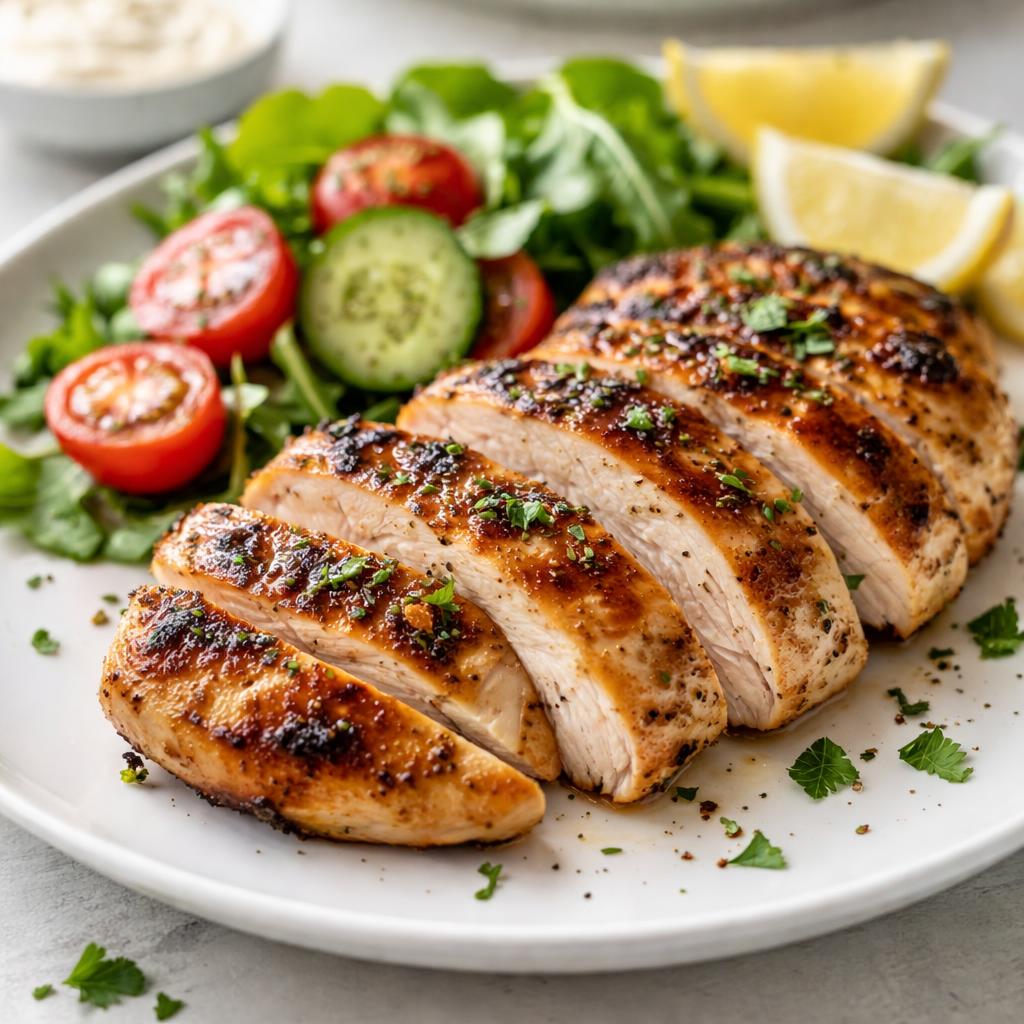
Chicken
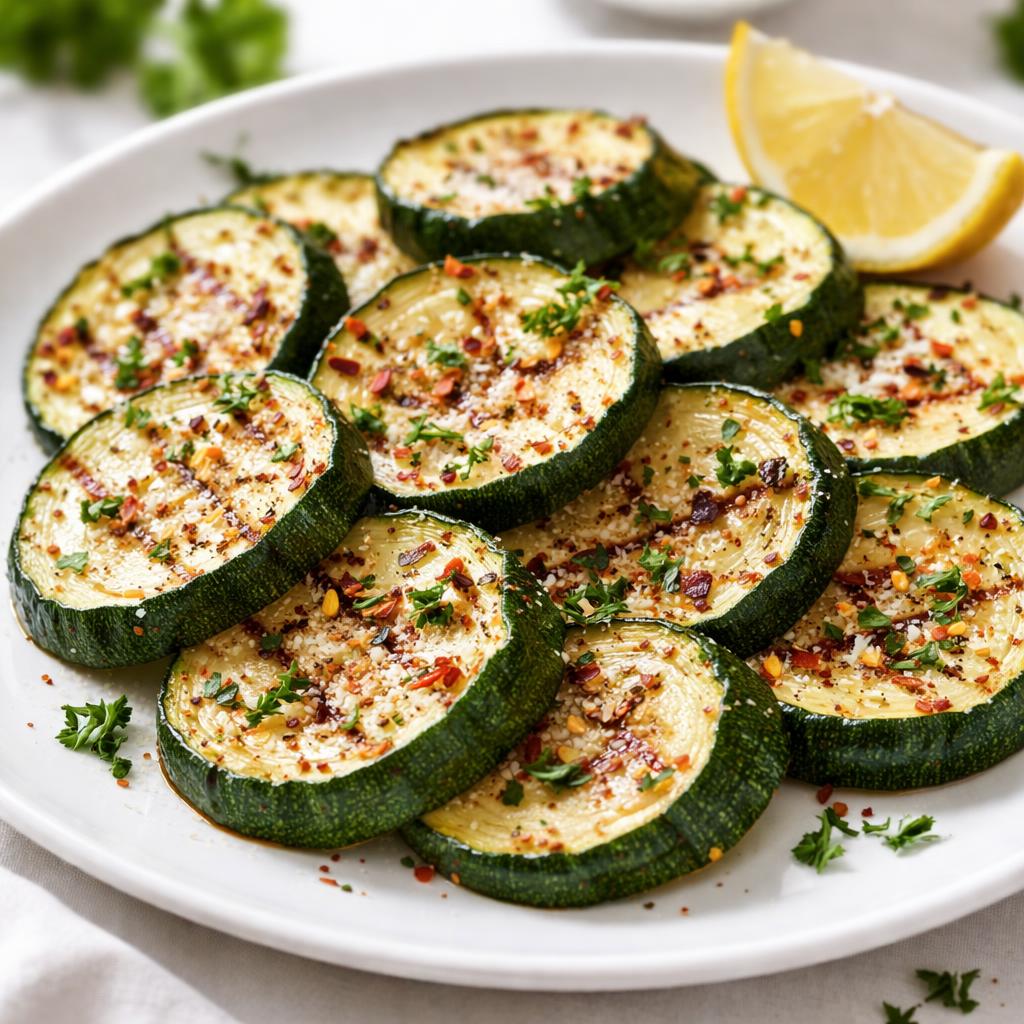
Zucchini
🎯 Quick Verdict
Chicken is high in protein and low in carbohydrates, making it ideal for muscle-building and weight-loss diets. Zucchini is much lower in calories and higher in fiber, making it excellent for digestion and low-calorie diets. Both foods are versatile and complement various dietary patterns such as gluten-free and paleo lifestyles.

Smart Nutrition Tracking with SnapCalorie

📊 Nutritional Comparison
Macronutrients
| Nutrient | Food 1 | Food 2 | Winner |
|---|---|---|---|
| Calories | 165 per 100g | 17 per 100g | ✓ |
| Protein | 31g per 100g | 1.2g per 100g | ✓ |
| Carbs | 0g per 100g | 3.1g per 100g | ✓ |
| Fat | 3.6g per 100g | 0.1g per 100g | ✓ |
| Fiber | 0g per 100g | 1g per 100g | ✓ |
Vitamins & Minerals
| Nutrient | Food 1 | Food 2 | Winner |
|---|---|---|---|
| Vitamin A | 35IU | 200IU | ✓ |
| Vitamin C | 0mg | 17mg | ✓ |
| Calcium | 15mg | 16mg | ✓ |
| Iron | 1mg | 0.4mg | ✓ |
🏆 Category Winners
Protein
Chicken contains drastically more protein (31g vs 1.2g per 100g), making it superior for muscle-building.
Fiber
Zucchini provides 1g fiber per 100g, helping digestion; chicken lacks fiber entirely.
Calories
Zucchini is extremely low-calorie (17 vs 165 calories per 100g), making it ideal for weight management.
Vitamins
Zucchini offers higher amounts of Vitamin A, Vitamin C, and Calcium compared to chicken.
🥗 Diet Compatibility
Keto
Food 1: Compatible
Food 2: Compatible
Both chicken and zucchini are low-carb and fit a keto lifestyle.
Vegan
Food 1: Not Compatible
Food 2: Compatible
Chicken is animal-based and unsuitable for vegans, whereas zucchini is plant-based.
Gluten Free
Food 1: Compatible
Food 2: Compatible
Neither food contains gluten, so both are safe for gluten-free diets.
Paleo
Food 1: Compatible
Food 2: Compatible
Both foods are unprocessed and align with paleo principles.
Low Carb
Food 1: Compatible
Food 2: Compatible
Chicken is zero-carb, and zucchini is very low-carb with just 3.1g per 100g, suitable for low-carb diets.
💪 Health Benefits Comparison
Food 1 Benefits
- Excellent source of lean protein for muscle growth and repair.
- Low in fat, especially saturated fat, supporting heart health.
- Zero carbohydrates, ideal for keto and low-carb diets.
Food 2 Benefits
- High fiber content supports healthy digestion and gut health.
- Rich in antioxidants (Vitamin C and beta-carotene) for immune support.
- Low-calorie and nutrient-dense, aiding weight loss and overall health.
✅ The Bottom Line
Choose chicken when prioritizing protein for muscle health, especially in fitness or weight-loss diets. Opt for zucchini as a low-calorie, nutrient-dense vegetable that supports digestion and adds vitamins like Vitamin A and C. Both are versatile staples in healthy diets, but fit different needs based on your goals.
Choose Food 1 for: Muscle gain, protein-rich diets, post-workout recovery.
Choose Food 2 for: Light meals, weight loss, high-fiber and nutrient-dense diets.


