Chicken VS Walnuts
A detailed nutritional comparison
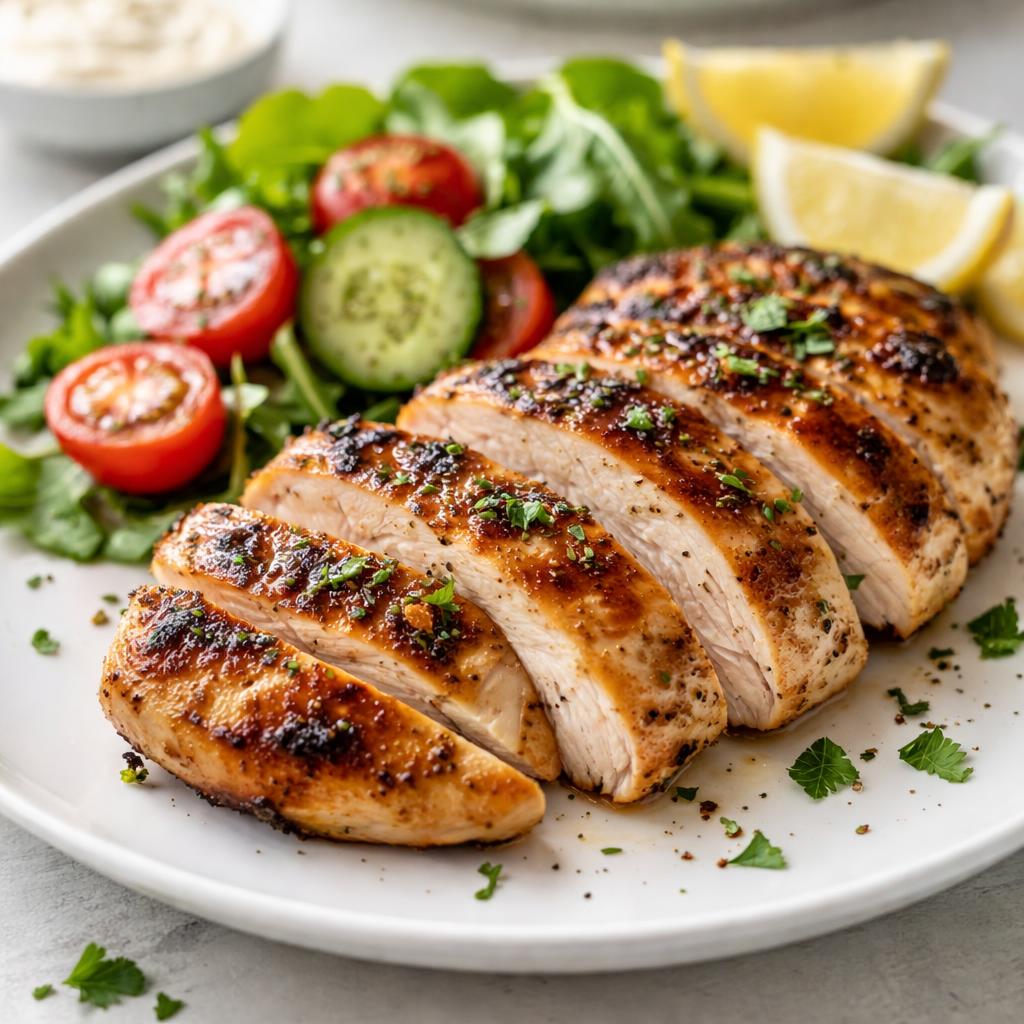
Chicken
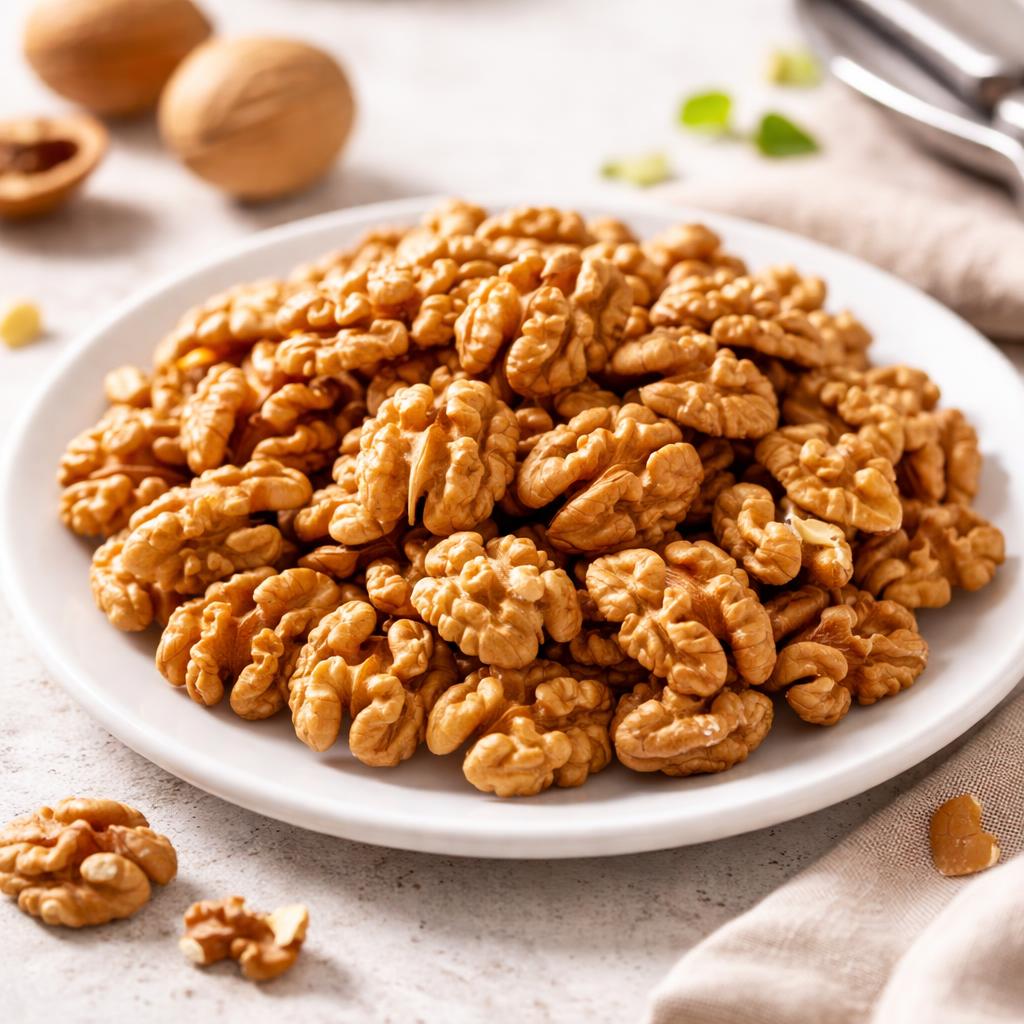
Walnuts
🎯 Quick Verdict
Chicken and walnuts are nutritionally distinct and serve different dietary goals. Chicken excels in protein content and is lower in calories, making it ideal for weight loss or muscle-building diets. Walnuts, on the other hand, are high in healthy fats, fiber, and micronutrients, suiting diets focused on heart health or sustained energy. Both foods complement diverse health needs and meal plans.

Smart Nutrition Tracking with SnapCalorie

📊 Nutritional Comparison
Macronutrients
| Nutrient | Food 1 | Food 2 | Winner |
|---|---|---|---|
| Calories | 165 | 185 | ✓ |
| Protein | 31g | 4g | ✓ |
| Carbs | 0g | 4g | ✓ |
| Fat | 3.6g | 18.5g | ✓ |
| Fiber | 0g | 2g | ✓ |
Vitamins & Minerals
| Nutrient | Food 1 | Food 2 | Winner |
|---|---|---|---|
| Vitamin D | 0.2mcg | 0mcg | ✓ |
| Calcium | 13mg | 26mg | ✓ |
| Iron | 1mg | 0.8mg | ✓ |
| Vitamin E | 0.1mg | 0.7mg | ✓ |
| Magnesium | 27mg | 44mg | ✓ |
🏆 Category Winners
Protein
Chicken dominates with 31g of protein compared to only 4g in walnuts.
Fiber
Walnuts provide 2g of fiber while chicken contains none.
Calories
Chicken is lower in calories, with 165 calories vs 185 calories in walnuts.
Vitamins
Walnuts are richer in micronutrients like magnesium, vitamin E, and calcium.
🥗 Diet Compatibility
Keto
Food 1: Compatible
Food 2: Compatible
Both are low in carbs and high-fat diets can include walnuts.
Vegan
Food 1: Not Compatible
Food 2: Compatible
Chicken is animal-based while walnuts are plant-based.
Gluten Free
Food 1: Compatible
Food 2: Compatible
Neither contain gluten products.
Paleo
Food 1: Compatible
Food 2: Compatible
Both align with paleo principles of natural and unprocessed foods.
Low-Carb
Food 1: Compatible
Food 2: Moderately Compatible
Chicken is nearly carb-free, while walnuts have a small amount (4g per serving).
💪 Health Benefits Comparison
Food 1 Benefits
- Excellent source of high-quality protein for muscle repair and growth
- Low-calorie and low-fat, suitable for weight loss
- Supports immune health through iron content
Food 2 Benefits
- Rich in omega-3 fatty acids for heart and brain health
- Provides filling fiber for digestion and satiety
- Contains antioxidants to combat inflammation and oxidative stress
✅ The Bottom Line
Choose chicken when focusing on high-protein, low-calorie meals ideal for muscle-building or weight loss. Opt for walnuts when seeking healthy fats, fiber, and sustained energy, perfect for heart health or nutrient-dense snacks.
Choose Food 1 for: Weight loss, muscle building, post-workout recovery
Choose Food 2 for: Heart health, sustained energy, brain function


