Chicken VS Vinegar
A detailed nutritional comparison
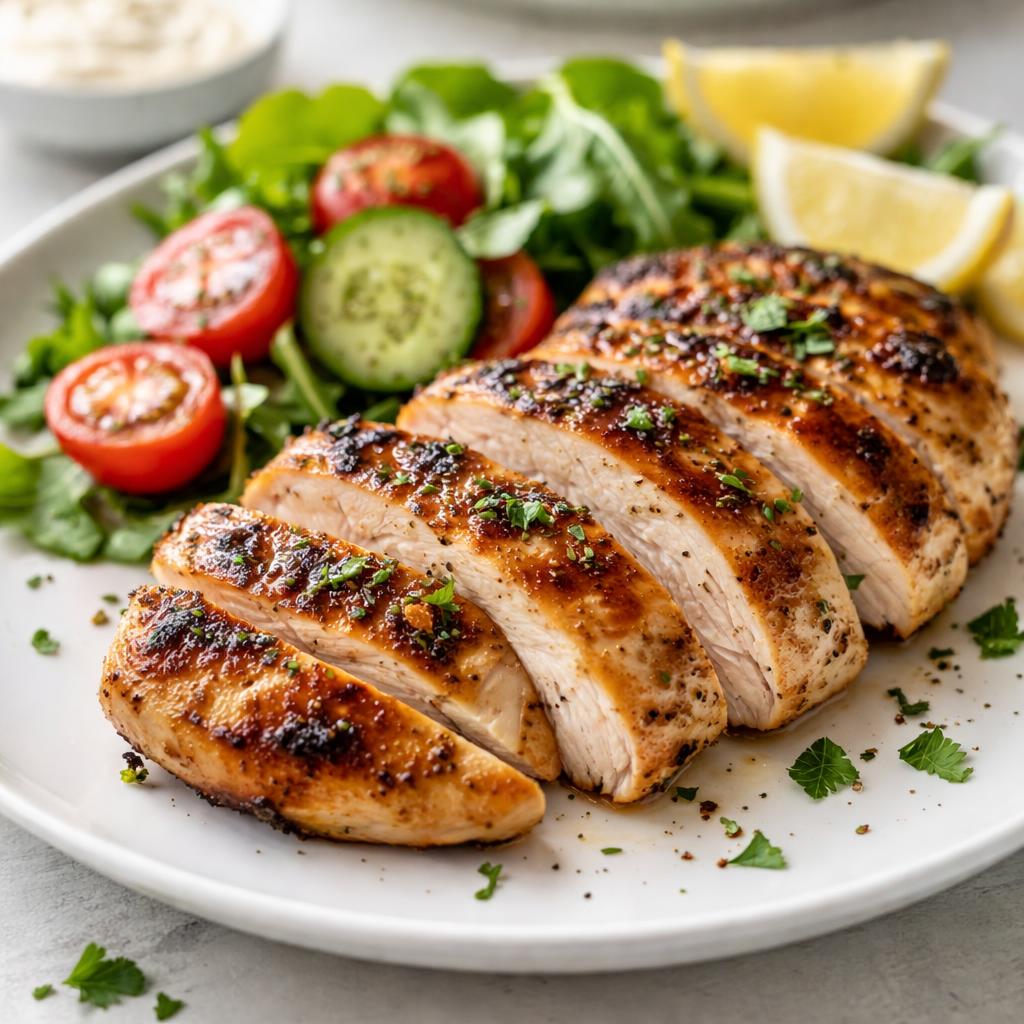
Chicken
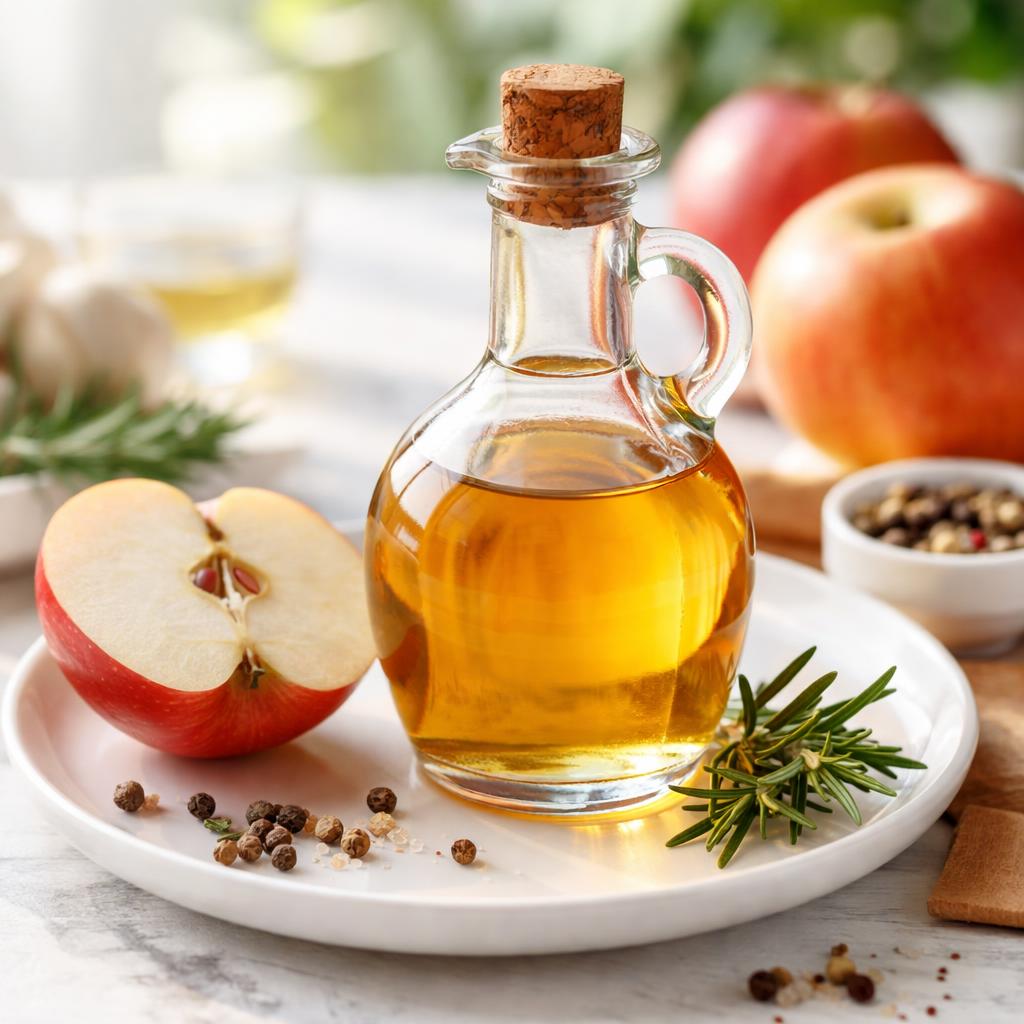
Vinegar
🎯 Quick Verdict
Chicken far surpasses vinegar in protein content, making it ideal for muscle maintenance and growth. Vinegar contains negligible calories and offers unique health benefits such as aiding digestion. Chicken is better suited for those focused on nutrition and satiety, while vinegar can complement meals for flavor enhancement and improved blood sugar control.

Smart Nutrition Tracking with SnapCalorie

📊 Nutritional Comparison
Macronutrients
| Nutrient | Food 1 | Food 2 | Winner |
|---|---|---|---|
| Calories | 165 per 3 oz | 3 per 1 tbsp | ✓ |
| Protein | 31g per 3 oz | 0g per 1 tbsp | ✓ |
| Carbs | 0g per 3 oz | 0g per 1 tbsp | − |
| Fat | 3.6g per 3 oz | 0g per 1 tbsp | ✓ |
| Fiber | 0g per 3 oz | 0g per 1 tbsp | − |
Vitamins & Minerals
| Nutrient | Food 1 | Food 2 | Winner |
|---|---|---|---|
| Vitamin D | 1mcg | 0mcg | ✓ |
| Calcium | 13mg | 1mg | ✓ |
| Iron | 1mg | 0.1mg | ✓ |
🏆 Category Winners
Protein
Chicken provides 31g of protein per serving, compared to 0g in vinegar.
Fiber
Neither chicken nor vinegar contains any dietary fiber.
Calories
Vinegar has only 3 calories per serving, whereas chicken has 165 calories.
🥗 Diet Compatibility
Keto
Food 1: Compatible
Food 2: Compatible
Both are low in carbs and fit a keto diet.
Vegan
Food 1: Not Compatible
Food 2: Compatible
Chicken is an animal product; vinegar is plant-based.
Gluten Free
Food 1: Compatible
Food 2: Compatible
Neither contains gluten.
Paleo
Food 1: Compatible
Food 2: Compatible
Both fit into a paleo-friendly diet.
Low-Carb
Food 1: Compatible
Food 2: Compatible
Both foods are naturally low in carbohydrates.
💪 Health Benefits Comparison
Food 1 Benefits
- High-quality protein supports muscle repair and growth.
- Rich in niacin (Vitamin B3), essential for skin health and metabolism.
- Low fat content makes it suitable for calorie-conscious diets.
Food 2 Benefits
- May help lower blood sugar levels after meals.
- Contains acetic acid, which supports digestion and gut health.
- Low in calories and can be used to enhance the flavor of meals without adding excess energy.
✅ The Bottom Line
Chicken is a highly nutritious food that excels in protein content, making it best for muscle maintenance, weight loss, or post-workout recovery. Vinegar has minimal caloric content and offers unique health benefits like aiding digestion and blood sugar control, while being ideal for flavoring meals without increasing calories.
Choose Food 1 for: Muscle building, high-protein diets, satiety
Choose Food 2 for: Flavorful meal enhancement, digestion support, calorie-conscious diets


