Chicken VS Side Salad
A detailed nutritional comparison
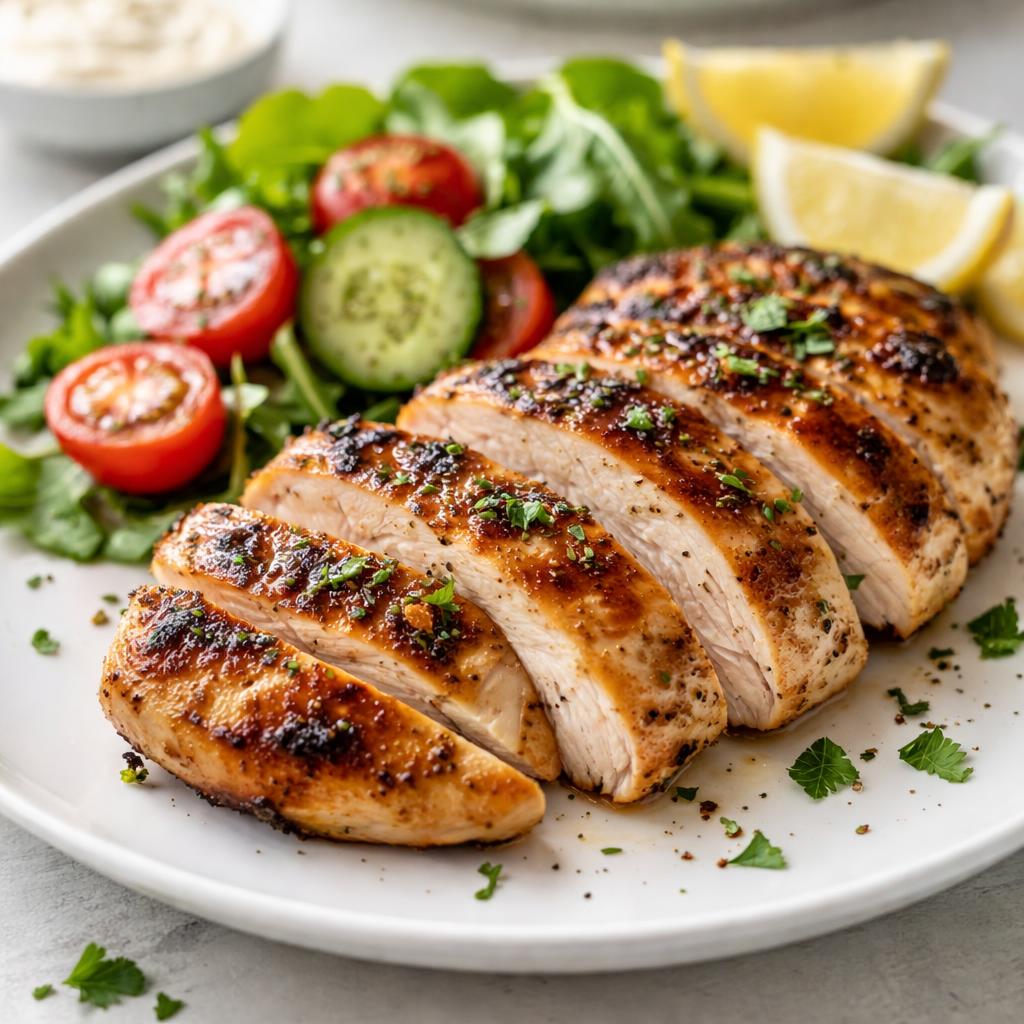
Chicken
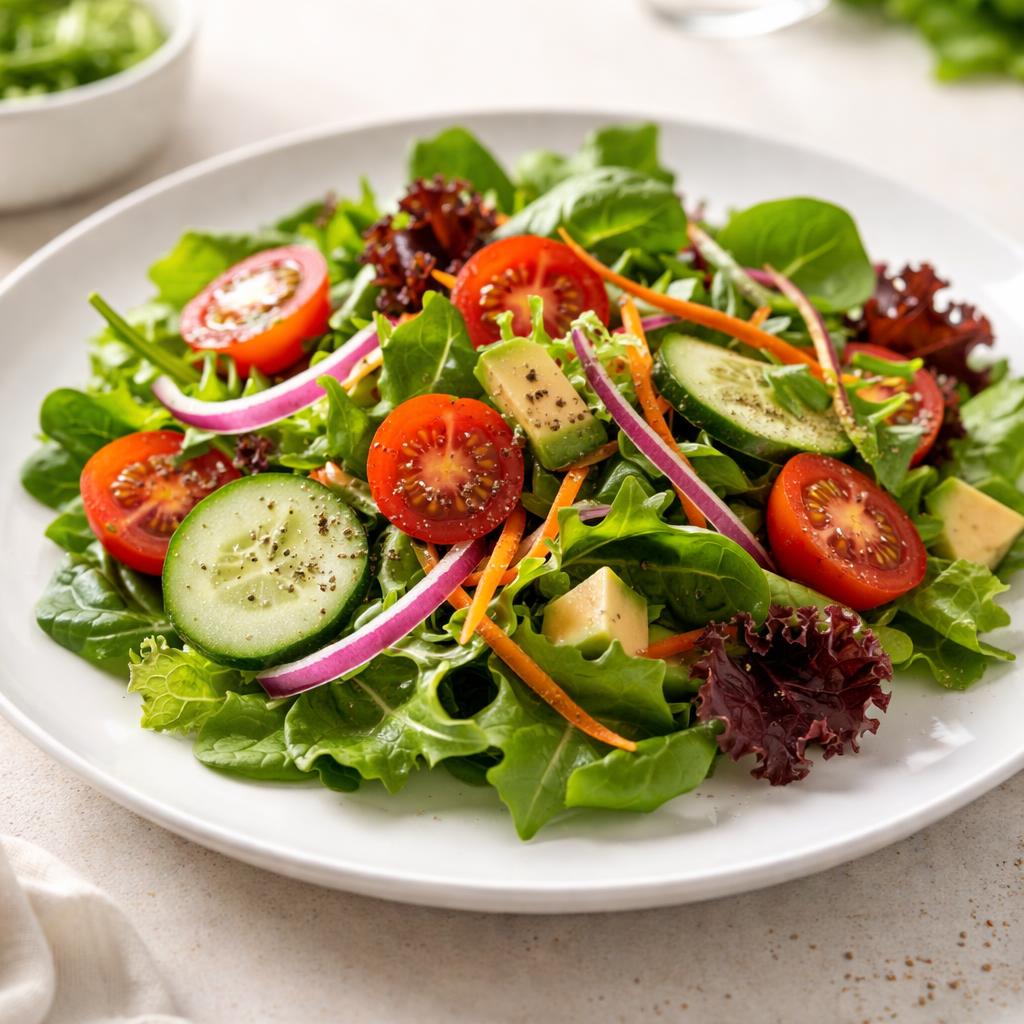
Side Salad
🎯 Quick Verdict
Chicken is a protein powerhouse with 27g per serving, making it ideal for muscle building and recovery, while a side salad is richer in fiber (3g vs 0g) and lower in calories, perfect for light meals and digestive health. Both excel in different areas, catering to various dietary needs depending on goals.

Smart Nutrition Tracking with SnapCalorie

📊 Nutritional Comparison
Macronutrients
| Nutrient | Food 1 | Food 2 | Winner |
|---|---|---|---|
| Calories | 165 | 50 | ✓ |
| Protein | 27g | 2g | ✓ |
| Carbs | 0g | 10g | ✓ |
| Fat | 3.6g | 0.5g | ✓ |
| Fiber | 0g | 3g | ✓ |
Vitamins & Minerals
| Nutrient | Food 1 | Food 2 | Winner |
|---|---|---|---|
| Vitamin A | 0IU | 500IU | ✓ |
| Vitamin C | 0mg | 9mg | ✓ |
| Iron | 0.9mg | 0.5mg | ✓ |
🏆 Category Winners
Protein
Chicken offers 27g protein per serving, significantly higher than the 2g in side salad.
Fiber
Side salad provides 3g fiber per serving, compared to 0g in chicken.
Calories
Side salad is much lower in calories at 50 per serving compared to 165 for chicken.
Vitamins
The side salad is richer in Vitamin A and Vitamin C, essential for immunity and eye health.
🥗 Diet Compatibility
Keto
Food 1: Compatible
Food 2: Compatible
Both are low-carb and fit well in keto diets.
Vegan
Food 1: Not Compatible
Food 2: Compatible
Food1 (chicken) is animal-based, while food2 (salad) is plant-based.
Gluten Free
Food 1: Compatible
Food 2: Compatible
Neither food contains gluten.
Paleo
Food 1: Compatible
Food 2: Compatible
Both foods align with paleo dietary principles.
Low-Carb
Food 1: Compatible
Food 2: Compatible
Both are low in carbohydrates (chicken: 0g, side salad: 10g).
💪 Health Benefits Comparison
Food 1 Benefits
- Rich source of high-quality protein for muscle growth and repair
- Low in carbohydrates, ideal for weight loss and low-carb diets
- Good source of iron for healthy blood function
- Satiating, helping to curb hunger and promote fullness
Food 2 Benefits
- High in dietary fiber for improving digestion
- Rich in Vitamin A and Vitamin C, supporting immune function and vision health
- Low in calories, ideal for weight management and light meals
- Contains antioxidants to help reduce oxidative stress
✅ The Bottom Line
Choose chicken for a concentrated source of protein, especially if you're aiming for muscle recovery, weight loss, or a keto-friendly meal. Opt for a side salad when you want to add more fiber, vitamins, and antioxidants to your diet with minimal calories. These two foods complement each other well in balanced diets.
Choose Food 1 for: Muscle building, weight loss, high-protein diets
Choose Food 2 for: Light meals, digestive health, vitamin intake


