Chicken VS Salmon
A detailed nutritional comparison
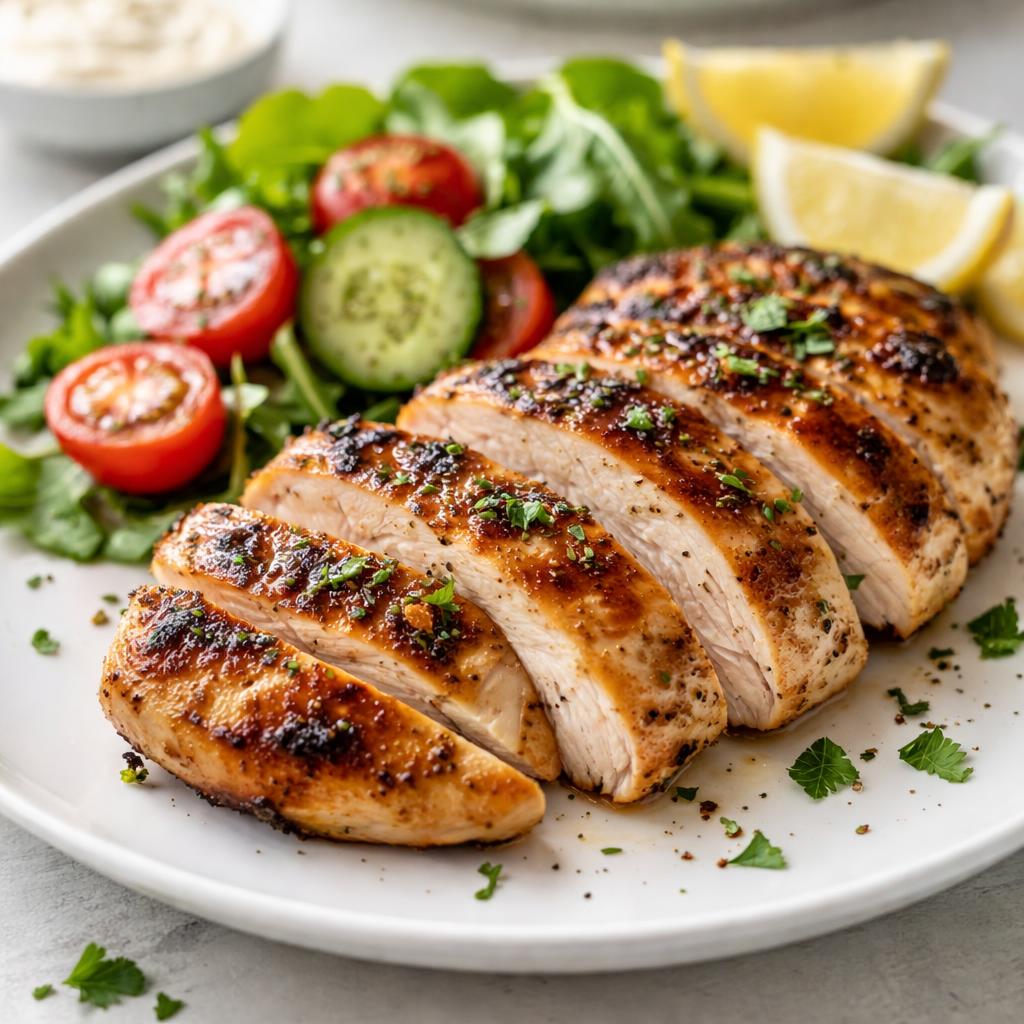
Chicken
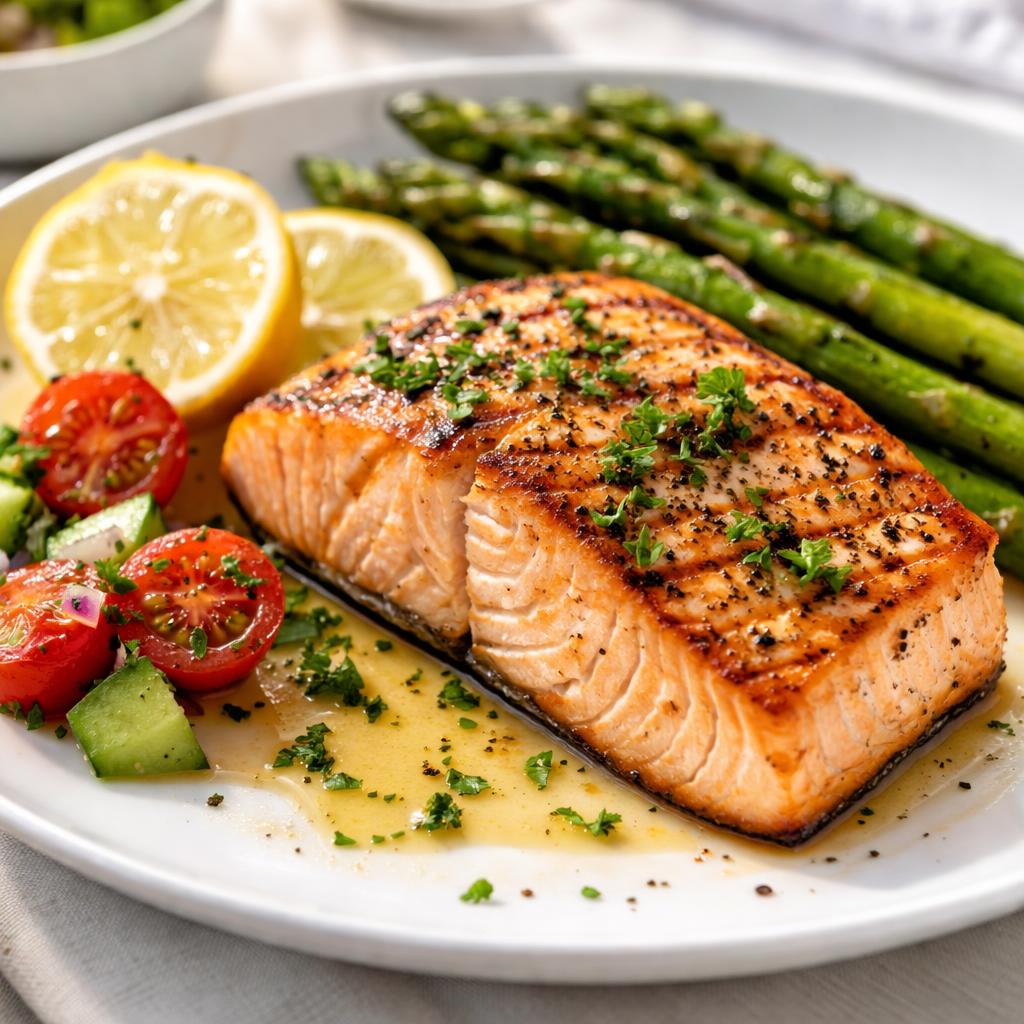
Salmon
🎯 Quick Verdict
Chicken and salmon are both excellent protein sources, but they differ in fat content and micronutrient profiles. Chicken is lower in calories and fat, making it ideal for low-fat diets. Salmon, however, is richer in healthy omega-3 fats, vitamin D, and heart-healthy nutrients, suitable for overall health and sustained energy needs.

Smart Nutrition Tracking with SnapCalorie

📊 Nutritional Comparison
Macronutrients
| Nutrient | Food 1 | Food 2 | Winner |
|---|---|---|---|
| Calories | 160 (per 100g) | 208 (per 100g) | ✓ |
| Protein | 31g | 25g | ✓ |
| Carbs | 0g | 0g | − |
| Fat | 3.6g | 13g | ✓ |
| Fiber | 0g | 0g | − |
Vitamins & Minerals
| Nutrient | Food 1 | Food 2 | Winner |
|---|---|---|---|
| Vitamin D | 0mcg | 10mcg (125% DV) | ✓ |
| Calcium | 11mg | 9mg | ✓ |
| Iron | 0.9mg | 0.6mg | ✓ |
| Omega-3 Fatty Acids | 0g | 1.8g | ✓ |
🏆 Category Winners
Protein
Chicken contains more protein per serving—31g versus 25g for salmon.
Fiber
Neither chicken nor salmon contains dietary fiber.
Calories
At 160 calories per 100g, chicken is lower-calorie than salmon's 208 calories.
Vitamins
Salmon is richer in key nutrients like vitamin D and omega-3 fatty acids.
🥗 Diet Compatibility
Keto
Food 1: Compatible
Food 2: Compatible
Both are low-carb and suitable for keto diets.
Vegan
Food 1: Not Compatible
Food 2: Not Compatible
Neither food fits vegan diets as they are animal-based.
Gluten Free
Food 1: Compatible
Food 2: Compatible
Neither food contains gluten.
Paleo
Food 1: Compatible
Food 2: Compatible
Both align with paleo guidelines as whole foods.
Low-Carb
Food 1: Compatible
Food 2: Compatible
Both are carb-free and low-carb diet friendly.
💪 Health Benefits Comparison
Food 1 Benefits
- High in protein for muscle growth and maintenance
- Low in fat, aiding weight management
- Good source of niacin and selenium for metabolic and immune health
Food 2 Benefits
- Rich in omega-3 fatty acids for heart and brain health
- High in vitamin D for bone health and immune support
- Contains antioxidants for fighting inflammation
✅ The Bottom Line
Both chicken and salmon are highly nutritious, but their uses differ. Chicken is ideal for those prioritizing protein, weight management, or a low-fat diet. Salmon is better for heart health, brain function, and energy due to its higher fat content and vital nutrients like omega-3s and vitamin D.
Choose Food 1 for: Low-calorie diets, weight loss, muscle building
Choose Food 2 for: Heart health, inflammation reduction, nutrient density


